We all drink water to stay healthy, right? That’s what everyone says: Drink more water, and we carry a bottle everywhere. But nobody really talks about what happens when you take that advice too far. And yes, that can actually get dangerous. Water intoxication is one of those things people don’t take seriously because, honestly, no one knows what water intoxication is. We grow up hearing only one side of the story: drink more water, stay hydrated, and carry a bottle everywhere.
So the idea is that too much water can harm your body, and it is a real medical condition. Water intoxication means that when someone drinks an excessive amount of water within a short period of time, it can cause the body’s sodium level to become dangerously diluted. In simple terms, your body gets flooded with more water than it can handle, and this extra water starts messing with the balance of important salts in your blood. That imbalance, especially the drop in sodium, is what makes things risky. In this blog, we will explore what water intoxication is, its symptoms, the causes of water intoxication and how much water causes overhydration.
Water Intoxication Definition: What Actually Happens?
Water intoxication happens when a person consumes or drinks so much water in a short time that the body’s sodium level becomes dangerously diluted. Your kidneys can process only a certain amount of water. When you overload the system, extra water starts diluting electrolytes, especially sodium, in your blood. And this condition is known as hyponatremia.
Sodium isn’t just a salt, but it helps your nerves, muscles, and brain to function properly. So when sodium levels drop too low, water starts moving into cells, hence causing them to swell. And the most dangerous part is that the brain has very little room to swell inside the skull.
That is why severe water toxicity can become life-threatening.
Water Intoxication Symptoms You Should Never Ignore
Let’s understand the symptoms of water intoxication. At first, they may feel like normal fatigue or heat exhaustion, but it generally shows up:
- Bloating
- Fatigue
- Headache
- Nausea
- Vomiting
- Frequent urination
- Feeling unusually weak or tired
- Muscle Cramps
And if sodium levels drop continuously, then the symptoms can be worse:
- Irritability
- Dizziness
- Confusion
- Swelling in feet or hands
- Seizures
- Breathing difficulty
- Loss of consciousness
The problem is that most people respond to these symptoms by drinking even more water, which can drastically worsen the situation. If such symptoms become sudden or intense, medical attention is important.
What Causes Water Intoxication?
1. Intense Workout or Exercise
Exercise or workout that causes you to sweat a lot over a long period of time, like cycling, trekking or hiking, or long-distance running, can drastically increase the chance of water intoxication since you tend to drink a lot of water to avoid dehydration.
2. Heat Exposure
In a hot climate, many of you compensate by continuously drinking water. While staying hydrated is vital, drinking excessive amounts of water without replacing electrolytes can dilute sodium levels in the body and increase the risks of water intoxication.
3. Exceeding Kidney’s Capacity
An adult kidney can only process about 0.8 to 1 litre of water per hour. Drinking excessively more than this can effectively overload the system. So when water intake exceeds what the kidneys can remove, an excess amount of fluid begins diluting the sodium in your bloodstream, which can lead to serious health issues.
How much water causes overhydration?
The amount of water that can lead to overhydration differs from person to person. Normally, the body eliminates excess amounts of water via urine, and healthy kidneys can process 1 to 2 litres of water over time. However, problems can begin when a person drinks excessive amounts of water too quickly.
Additionally, in many cases, water intoxication occurs if someone consumes around 3-4 litres of water within just one or two hours. So, you can reduce the risks of overhydration by:
- Drinking water when you genuinely feel thirsty.
- Avoiding forced or excessive water intake
- Staying away from extreme water-drinking challenges
- Being mindful of your daily water consumption and activity levels
Why Choose DrinkPrime
Presently, hydration is not only about quantity, but quality matters as well. A lot of people. A lot of people are now becoming conscious about what is actually in their drinking water, from TDS levels to purification quality and mineral balance.
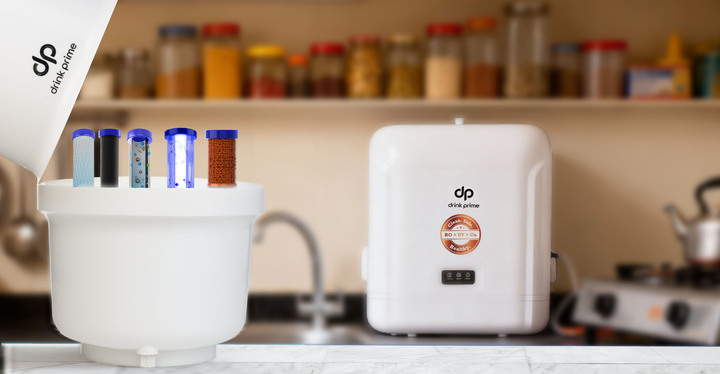
That is where DrinkPrime comes in and changes the entire daily hydration game. So instead of treating water as just water, DrinkPrime aims to offer purified drinking water that is suitable for regular consumption while helping Indian households maintain healthier hydration habits. Moreover, DrinkPrime offers:
- Advanced water purification technology that helps offer safe and clean drinking water
- Smart water purifiers are designed to adjust purification based on water quality.
- Convenient subscription-based plans without any high upfront costs.
- And regular maintenance and support for any hassle-free usage.
Summary
In summary, water intoxication generally occurs when a person consumes excessive amounts of water in a short period of time, which can cause sodium levels in the blood to become dangerously diluted, a condition called as hyponatremia. Since sodium is important for proper nerve and brain function, low sodium levels can cause cells to swell, especially brain cells, hence making severe cases life-threatening. Additionally, the common symptoms are bloating, headache, fatigue and frequent urination. And in severe cases, it can lead to dizziness, seizures, breathing difficulties, and even loss of consciousness.
DrinkPrime, on the other hand, offers smart water purifiers with advanced purification technology, subscription-based plans, an adaptive purification system, and regular maintenance support to help Indian households maintain healthy and safe hydration habits.
FAQs:
- What does water intoxication mean?
Water intoxication is a condition where drinking excessive amounts of water dilutes sodium levels in the body, leading to a dangerous electrolyte imbalance.
2. What are the most common water intoxication symptoms?
Common symptoms include nausea, bloating, fatigue, confusion, and, in severe cases, unconsciousness.
3. Can drinking too much water be dangerous?
Yes, excessive water intake in a short period can overwhelm the kidneys and affect brain function due to low sodium levels.
4. How can I prevent water intoxication?
Drink water based on thirst, avoid excessive intake within short periods, and replenish electrolytes during heavy sweating or workouts.
Get 7 Days Risk Free Trial