Borewell water is one of the most common water sources that is used in Indian homes, especially in apartments, independent houses, and areas where municipal water supply is very limited. Borewell water is groundwater that is extracted from deep underground through drilled wells. While it will look clean, it often comprises dissolved salts, an excess amount of minerals, iron, fluoride, sediments, and other impurities collected naturally from the soil layer and rocks.
This is why borewell water quality differs from one region to another and at times even between two homes in the same neighbourhood. In many Indian households, borewell water causes issues like high TDS levels, hard water stains, scale buildup in appliances, or odour problems. Basic purification methods are usually not enough because they cannot remove dissolved impurities completely. In this blog, we will understand what borewell water comprises, the common problems associated with it, and the type of water purification required for Indian households.

Why Borewell Water Is So Difficult to Purify
Municipal water is usually treated before reaching homes, but when it comes to borewell water, it is different altogether. Underground water collects dissolved salts, heavy metals, iron, excess fluoride, and sediment from rocks and soil. That is why two households in the same city can have completely different water quality. So, this is a reason why people keep asking: Which water purifier is best for borewell water? The truth is, there’s no universal answer unless you first understand your water quality.
Common Problems in Borewell Water
Let’s understand the common problems in borewell water:
- High TDS (hard water)
- Fluoride contamination
- Mud and sediment
- Bad Odour
- Scale buildup in appliances
So, if your water purifier only has UV filtration, then it is probably not enough. For borewell water, RO-based purification is usually essential.
Which Water Purifier Is Best for Borewell Water?
1. RO Water Purifier
If your borewell water has high TDS and microbial contamination, then the RO and UV lamp water purifier works best. Reverse Osmosis or RO helps in removing dissolved salts and heavy metals, and on the other hand, UV helps in killing bacteria and viruses. This combination is ideal for most Indian households using borewell water.
If your borewell water has high TDS and microbial contamination, this combo works best. Such a RO water purifier is best for independent homes, areas with hard water, and high TDS regions.
2. Copper Water Purifier
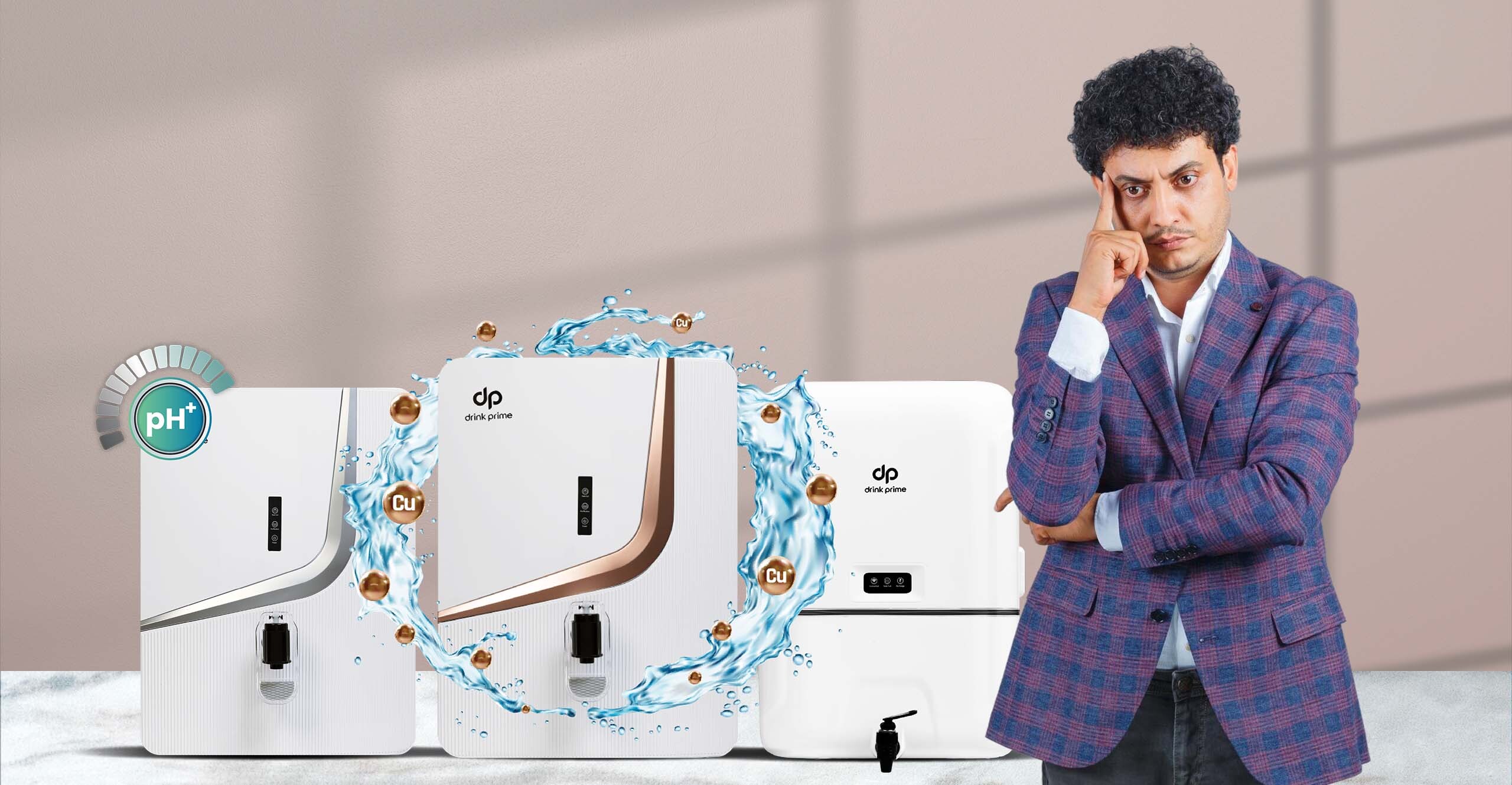
One issue with traditional RO systems is that they can make water taste flat. Most of the modern water purifiers now add essential minerals back into the water after purification. Some also include copper infusion. If taste matters to your family, then such a system feels better for daily hydration.
How to Choose the Best Purifier for Borewell Water
Selecting the ideal and best purifier for a water borewell depends on the quality of water coming into your home. Borewell water usually comprises high TDS levels, excess amounts of salts, iron, sediments, and sometimes harmful contaminants, which means a basic purifier is often not enough.
Before buying a water purifier, it is important to check the TDS level of your water because that determines the type of filtration that is required. In Indian homes that make use of borewell water, an RO water purifier is considered important since it helps in removing dissolved impurities and heavy metals effectively.
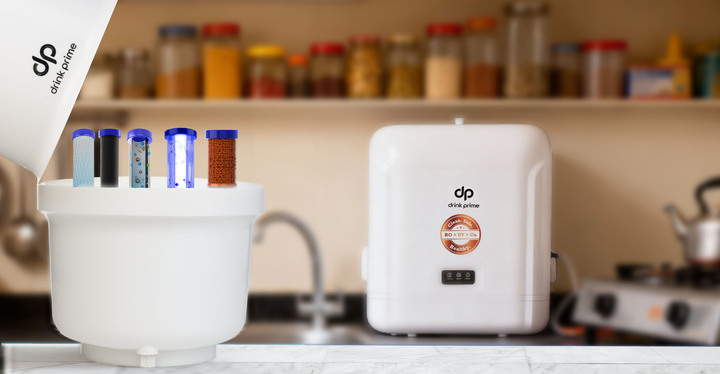
It is also better to select a water purifier with multi-stage purification, which includes sediment filters, activated carbon, and RO mineraliser technology, for better water quality and taste.
Maintenance is another parameter that many people ignore it while purchasing a water purifier. Many traditional RO systems become expensive over time, and due to filter replacement and servicing costs, especially in high-TDS regions.
How to Purify Borewell Water at Home Naturally
A lot of people search for how to purify borewell water at home naturally, so let’s clear this up properly. Natural methods can improve water slightly, but they cannot fully remove dissolved salts, heavy metals, or harmful chemicals from borewell water.
Boiling borewell water is one of the oldest and simplest purification methods that is used by many Indian homes. It helps kill bacteria and other harmful microorganisms, hence making the water safer for drinking. But, boiling does not reduce TDS levels or remove dissolved salts and heavy metals that are generally found in borewell water.
Another common method is cloth filtration, where water is passed through a clean cotton cloth to eliminate visible dirt, sand particles, and sediments. While basic, it can still help improve the appearance of muddy water. Additionally, activated charcoal is also used in some homes because it can slightly improve the smell and taste of water by absorbing certain odours and impurities from water.
But here’s an important thing to note: although these methods can improve the quality of water to some extent, they are not enough for treating high amounts of TDS-borewell water completely, which is why investing in an RO-based water purifier is important and considered the safest option for long-term use.
Why Choose DrinkPrime for Borewell Water?
DrinkPrime is an ideal choice for borewell water that makes sense for people who want safe, clean, and healthy drinking water without dealing with the usual or traditional water purifier. Borewell water quality keeps changing in Indian cities, and a regular RO water purifier often struggles with high TDS levels, heavy sediments, and frequent maintenance requirements. Moreover, DrinkPrime offers an IoT-enabled water purifier that is designed to adapt to different water conditions, making it suitable for borewell water in apartments and independent households.
So, instead of paying a heavy amount for a water purifier and then spending extra on servicing and filter replacements, DrinkPrime works on a subscription model where maintenance, servicing, filter replacement, and relocation are included.
This completely reduces the long-term costs and eliminates the stress of unexpected repair bills. Additionally, DrinkPrime’s smart monitoring system also helps track water purifier performance and water usage, giving users a more convenient experience overall.
Hence, for families who are looking for the best purifier for borewell water with lower maintenance stress, then DrinkPrime is an ideal choice in 2026.
Summary
In summary, borewell water is difficult to purify because the quality varies, and it also depends on the underground soil and rock composition. Unlike municipal water, it often comprises high TDS levels, fluoride, iron, heavy metals, and bad odour. Since water quality differs from one area to another, choosing the right purifier depends on understanding the specific contaminants that are present in the water.
For many Indian households that make use of borewell water, an RO-based water purifier is considered important because it removes dissolved salts, heavy metals, and impurities effectively. Moreover, a combination of RO and UV purification works best when the water comprises both high TDS and microbial contamination. Modern water purifiers also include mineraliser and copper infusion technology to improve taste and restore minerals after purification. DrinkPrime is an ideal option for borewell water users because its IoT-enabled water purifiers adapt to varying water conditions. Its subscription-based model includes maintenance, servicing, filter replacement, and relocation, reducing long-term ownership costs and maintenance stress for households.
FAQs:
- Which water purifier is best for borewell water?
An RO water purifier with UV purification is usually the best choice for borewell water because it removes dissolved salts, heavy metals, bacteria, and viruses effectively.
2. Why is RO important for borewell water?
RO purification helps reduce high TDS levels, hardness, fluoride, and harmful contaminants commonly found in borewell water, making it safer for drinking.
3. Can boiling purify borewell water completely?
No, boiling water can kill bacteria and microorganisms, but it cannot remove dissolved salts, high TDS, heavy metals, and fluoride from borewell water.
4. How do I choose the right purifier for borewell water?
Start by checking your water’s TDS level and contamination type. For high-TDS water, choose a multi-stage RO water purifier with sediment filtration and activated carbon for better taste and purification.
Get 7 Days Risk Free Trial