If you have ever woken up with a puffy face, noticed your rings feel tighter than usual or felt your feet and ankles swell, you have experienced water retention. Water retention is also known as edema that happens when an excess amount of fluid gets trapped in the body’s tissues. It sounds concerning, but in many cases, it is your body’s response to everyday factors like eating too much salt, not drinking enough water or even poor sleep.
In this blog, we will understand what water retention is, why it happens, the signs to watch for, and what simple lifestyle changes can effectively help in reducing it.

Understand the Meaning of Fluid Retention
Let’s first understand the basics. The fluid retention meaning is very simple; it refers to the accumulation of an excess amount of fluid in the body’s tissues. As we all know, our body naturally stores water in cells, blood vessels, and spaces between tissues. So, under normal circumstances, it maintains a delicate balance between fluid intake and fluid loss. However, when this balance gets disrupted, an excess amount of fluid begins to collect in certain parts of the body, which leads to swelling and discomfort.
- Fluid retention commonly affects:
- Legs
- Hands and fingers
- Face
- Abdomen
- Feet and ankles
What are the common signs of Water Retention
Water retention doesn’t always show up drastically, but sometimes the symptoms are quite subtle. You may notice:
- Puffy face, especially in the morning
- Rings feel tighter than usual
- Swollen ankles or feet
- Bloating around the stomach
- Stiff joints
- Sudden fluctuation in body weight
- Indentation on the skin after pressing it
These symptoms appear occasionally, and they are certainly linked to lifestyle factors as well.
1. Consuming Too Many Salts
One of the biggest culprits behind fluid retention is sodium. So, when you consume excessive amounts of salt, your body tries to maintain the right balance of sodium and water, and to do this, it holds onto additional water. This is why, after eating or consuming heavily processed foods, restaurant meals, chips, or any other packaged snacks, you may feel bloated the next day.
2. Not Drinking Enough Water
Most people assume that drinking less water will reduce water retention, but in reality, the opposite often happens. When your body senses dehydration, it enters conservation mode and begins storing more water. Adequate hydration helps your kidneys flush out excess sodium and water products, which reduces the chances of fluid build-up. The solution is not drinking or consuming excessive amounts of water but maintaining consistent hydration throughout the day.
3. Sitting or Standing for Long Periods
Modern lifestyles are not helping much. Whether you’re working at a desk for 8 hours or standing all day, limited movement can slow blood circulation and cause fluid to accumulate in your lower limbs. This completely explains why many people experience swollen feet after a long flight, extended workdays, and road trips. Even a short walk every hour can significantly improve circulation and reduce swelling.
4. Poor Sleep
Sleep is not just about feeling refreshed. So, during sleep, your body completely regulates several hormones that control fluid balance and inflammation. Chronic sleep deprivation can effectively disrupt such a process, which can lead to an increase in bloating, puffy eyes, swollen face, and general water retention. So it is important to improve the sleep quality, which can often have a noticeable impact on overall fluid balance.
5. Underlying Health Conditions
In some cases, fluid retention may signal a more serious health problem. The conditions that are associated with water retention are kidney disease, heart disease, liver disorder, thyroid issues, and chronic venous insufficiency. If you notice persistent or severe swelling, seek medical help immediately.
Can Water Quality Affect Your Overall Health?
While the quality of water is not a direct cause of fluid retention, the water you consume plays an important role in overall wellness. There are many households today that receive water from multiple sources, like municipal supply, borewells, mixed sources, or tankers. Such sources can vary significantly in quality and mineral content throughout the year. Additionally, drinking clean, well-filtered water helps in supporting hydration, which is important for maintaining the body’s natural fluid balance.
Simple Ways to Reduce Water Retention
If you are wondering how to reduce water retention, in many cases, it can be managed with a few simple lifestyle changes. Start by reducing your salt intake; an excess amount of sodium will encourage the body to hold onto water. Additionally, make sure you stay hydrated because when your body doesn’t get enough water, it tends to conserve what it already has, which can lead to fluid buildup.
Also, regular movement plays a major role, so if you are someone who spends hours sitting or standing, then try to take short walk breaks throughout the day to improve circulation, and it will prevent fluid from pooling in your legs and feet. Additionally, incorporate regular exercise into your routine, which can help your body fluids circulate more efficiently. Besides, make sure you prioritise sleep, because this is something that is often overlooked, and this can disrupt the overall fluid balance. Finally, include potassium-rich foods like spinach, sweet potatoes, bananas, and avocados in your diet. While these changes may feel small, they can collectively make a huge noticeable difference in reducing water retention and improving overall well-being.
Why Choose DrinkPrime?
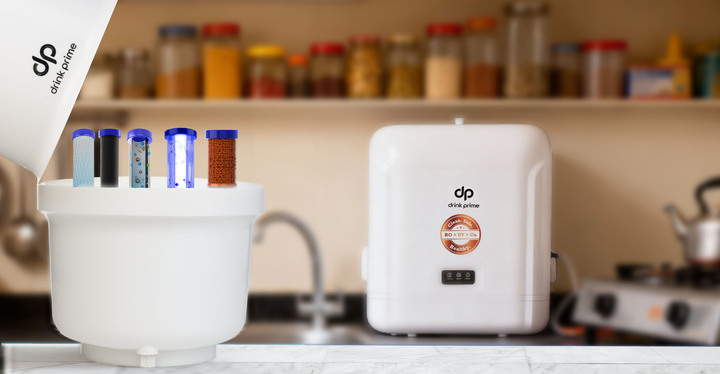
When it comes to staying hydrated, the quality of water matters a lot. But many Indian households face a common challenge, which is that water quality is not constant. So, depending on the season, your water may come from a municipal supply, a borewell, tanker water, or a mix of sources, each with a different level of impurities and TDS levels. This is where DrinkPrime comes in. Unlike old water purifiers, DrinkPrime offers advanced purification technology that completely adapts to changing water conditions. Whether your water source changes or the quality fluctuates, the system is designed to offer consistently purified drinking water. Here is what DrinkPrime offers:
- Smart water purification technology that adjusts to varying water quality
- Suitable for several water sources, which include borewell, tanker, and municipal water.
- Regular maintenance and service support are included in subscription plans.
- And real-time monitoring is there to help make sure the water purifier performs efficiently.
Proper hydration is one of the simplest ways to support your body’s natural fluid balance. So, having access to safe, purified drinking water can make it very easy to build that habit every day. With DrinkPrime, you get a water purification solution that is designed for the realities of modern Indian households, where water quality can change more often than you think.
Summary
In summary, fluid retention, which is also edema, occurs when excess fluid accumulates in the body’s tissues, leading to swelling, bloating and discomfort. Occasional water retention is often linked to several lifestyle factors like excessive salt consumption, dehydration, and poor sleep, which indicate several health conditions that require medical attention. So, it is important to understand the fluid retention meaning and identify its common triggers that can help you take the right approach towards managing it properly.
Additionally, there are simple lifestyle changes like reducing sodium intake, staying hydrated, exercising regularly, improving sleep quality and consuming potassium-rich food that can significantly help in reducing water retention.
While water quality may not directly cause fluid retention, drinking clean and purified water supports proper hydration and overall well-being. Solutions like DrinkPrime make it easier for households to access safe drinking water despite changing water sources and quality, helping support healthier hydration habits every day.
FAQs:
- What does fluid retention mean?
Fluid retention means the accumulation of an excess amount of fluid in the body’s tissues. And this can cause swelling in areas like the feet, ankles, hands, and face.
2. What are the most common causes of water retention?
Some of the most common causes of water retention are excessive salt intake, dehydration, prolonged sitting or standing, and poor sleep.
3. How can I reduce fluid retention naturally?
You can limit sodium-rich foods, drink enough water, and eat potassium-rich foods like bananas, spinach, sweet potatoes, and avocados.
4. When should I be concerned about water retention?
If you notice severe swelling, then it is advised to get evaluated by a medical professional.
Get 7 Days Risk Free Trial