Are you aware that TDS levels play a massive role in determining drinking water quality? Yes, you have read it right. The TDS level in drinking water determines the organic and inorganic substances present in the water. However, too much TDS can affect overall health. Are you wondering how? In this blog, we will explore the TDS range in drinking water, understand the effects of high TDS on health and appliances, and discuss how RO water purification can help in maintaining the TDS level in the drinking water.

Why Total Dissolved Solids Matter in Drinking Water?
TDS refers to Total Dissolved Solids, which is a measure of the total concentration of dissolved substances, both inorganic and organic, in drinking water. When it comes to drinking water, the TDS level contains the proper balance of essential minerals like magnesium, potassium, sodium, and calcium.
Such minerals not only contribute to the taste of water but also support several bodily functions. But when the TDS level gets too high, it indicates the presence of harmful substances like lead, arsenic, or an excess of sodium. High levels of TDS in drinking water are caused by natural sources, industrial wastewater, sewage, urban runoff, and much more, which make water taste bitter and salty. But if the TDS level content is too low, the water can taste flat and may lack all the essential minerals that your body needs.
TDS Range for Drinking Water: Which is Safe to Drink?
The TDS levels of water are generally measured by PPM (parts per million). According to the BIS or Bureau of Indian Standards, the acceptable limit of TDS in drinking water is 500 mg/L. But anything under 250 mg/L is considered excellent; hence, it retains the essential minerals in the drinking water.
| TDS Level | Quality of Water |
| 0-200 | Good |
| 201-500 | Fair |
| >500 | Bad |
If the TDS level is 0-200, then RO may not be necessary, UV water purifier is sufficient if microbial contamination is the primary concern. Additionally, if it is 201-500, then an RO water purifier is needed, and also it depends on the source water quality, hardness, and presence of contaminants that is present in the water. Besides, above 500, RO purification is generally recommended to reduce dissolved solids and improve water quality
Effects of High TDS on Health and Appliances
Odour and Taste
A high TDS level can cause water to have an unpleasant taste and odor, making it unfit for drinking.
Health Issues
The high concentrations of elements like lead, fluoride, and arsenic can make use of higher TDS values. Hence, consuming such water can be harmful to your overall health.
Corrosion and Buildups in Appliances
Additionally, high TDS levels in water can eventually corrode plumbing appliances and pipes due to the presence of chloride and sulfate. This overall affects the plumbing efficiency and lifespan of the appliance systems.
Role of RO Water Purifier
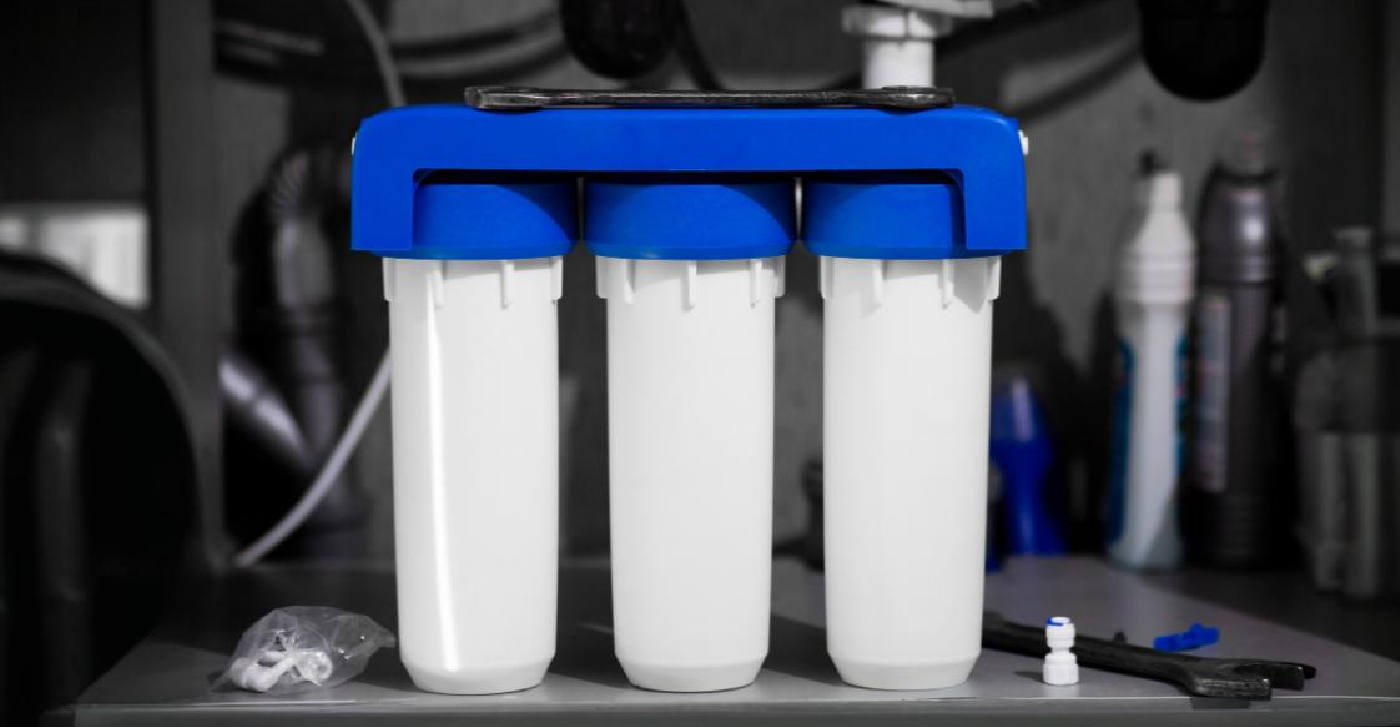
RO water purification plays an important role in managing TDS levels in drinking water. There is a wide range of water purification technologies, such as RO and UV lamps, but reverse osmosis or RO water purification systems work best. They’re especially useful in areas where water sources contain excess hardness, salinity, or industrial pollutants. With the help of an RO water purification system, the TDS level of water passes through a semipermeable membrane, which effectively reduces the TDS level. Also, it helps neutralise the water taste.
Best TDS Levels for Different Water Sources
1. Best TDS for RO Water
Generally, the ideal TDS levels for RO water is between 50 and 150 ppm. Additionally, this range eliminates the excess dissolved solids while retaining a pleasant taste and supporting mineral balance.
2. Best TDS for Municipal Water
Municipal water usually ranges from 100 to 300 ppm. If the water is microbiologically safe and within acceptable TDS limits, UV or UF purification may be sufficient in some cases.
3. Best TDS for Borewell Water
Borewell water often has a higher TDS level due to dissolved minerals and salts. A TDS range below 500 ppm is generally acceptable, while levels above this may require RO purification.
What Happens If TDS Is Too Low?
Very low TDS water (below 50 ppm) can taste bland and may contain fewer naturally occurring minerals such as calcium and magnesium. While low TDS does not automatically make water unsafe, extremely low levels are not usually preferred for daily consumption.
Why Choose DrinkPrime?
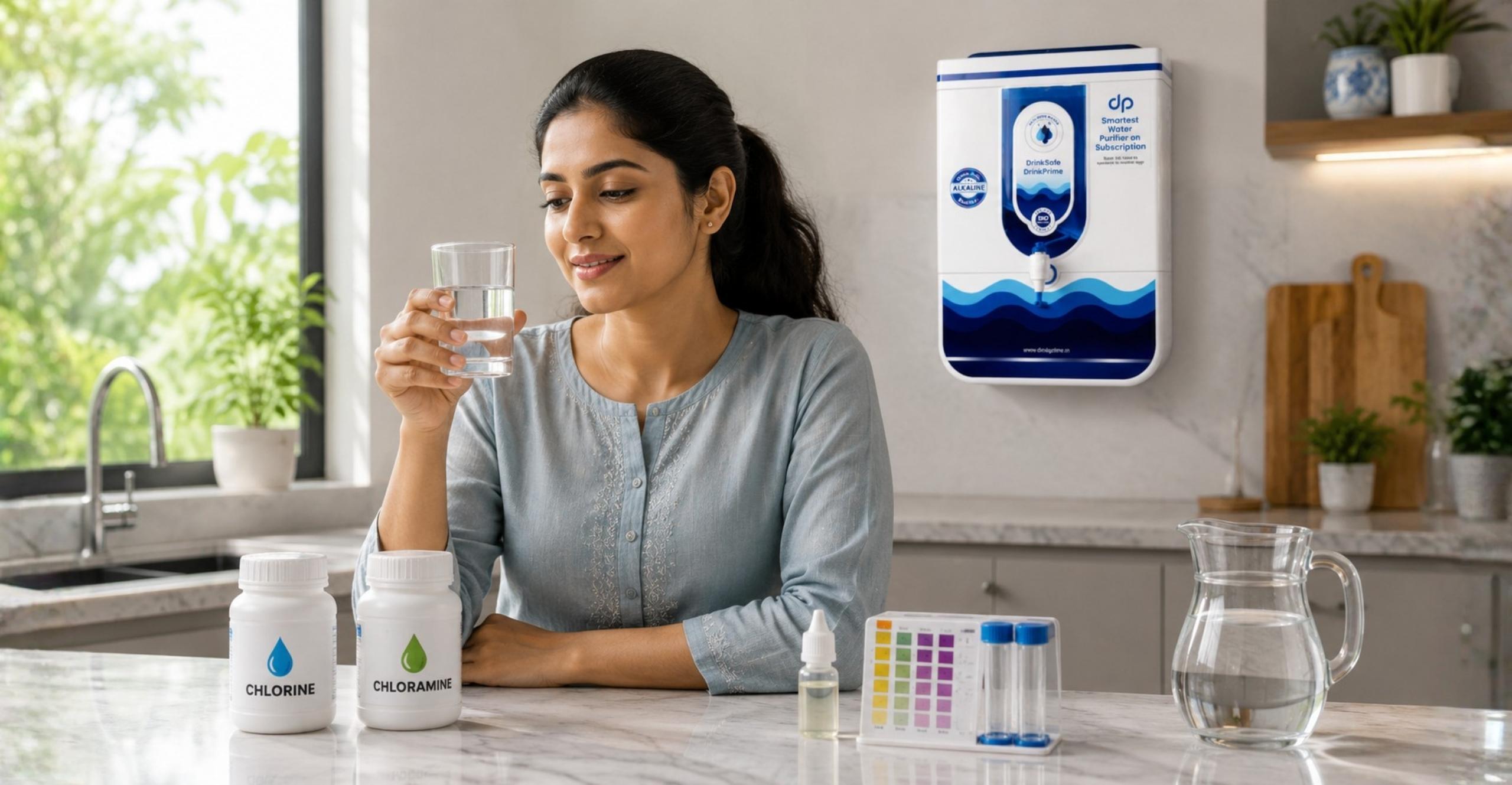
DrinkPrime RO water purifiers use real-time TDS monitoring to analyse your input water, adjusting filtration levels based on your locality. They offer clean, healthy water that retains essential minerals, and you stay in control with our easy-to-use app for monitoring and service.
With real-time TDS monitoring technology, the purifier continuously analyses incoming water and optimizes the filtration process to maintain the right balance between purity and essential minerals. This ensures that you get water that is not only clean but also healthy and pleasant to drink.
Unlike traditional water purifiers that operate with fixed settings, DrinkPrime’s smart purification system responds to variations in water quality, helping maintain consistent performance throughout the year. The purifier effectively removes harmful contaminants, including excess dissolved solids, while retaining beneficial minerals that contribute to better taste and overall well-being.
Summary
In summary, understanding and managing TDS levels is essential to ensure that the water you drink is not only safe but also beneficial to your health. While both low and high TDS levels come with their own set of issues, maintaining an optimal range is the key to clean, great-tasting, and mineral-rich drinking water. That’s a reason DrinkPrime makes all the difference. DrinkPrime is considered the best RO water purifier since it offers real-time TDS monitoring, locality-based filtration, and app-enabled control. DrinkPrime makes sure that you and your family always have access to water that is pure, safe, clean, and healthy.
FAQs:
- What is the ideal TDS for drinking water?
The ideal TDS for drinking water is between 50 and 300 ppm. For RO-purified water, 50-150 ppm is often considered the optimal range.
2. Is 30 TDS water safe to drink?
Yes, it is generally safe, but water with such low TDS may lack naturally occurring minerals and can taste flat.
3. Is 500 TDS water safe for drinking?
Yes, 500 mg/L is the acceptable limit for drinking water. However, the source and composition of dissolved solids should also be considered.
4. Does high TDS always mean contaminated water?
No. High TDS can result from beneficial minerals as well as unwanted salts and contaminants. A water quality test is necessary to determine the exact composition.
5. Which is better: low TDS or high TDS water?
Neither extreme is ideal. Water with a moderate TDS level that contains essential minerals and is free from harmful contaminants is generally the best choice.
Get 7 Days Risk Free Trial