Have you ever filled a glass of water, looked at it, and thought, “This looks perfectly clean”? Most dangerous things in drinking water are actually invisible. Not mud. Not dirt. Not the things you can see floating around.
We’re talking about bacteria, viruses, and microorganisms that can quietly enter your body without changing the colour, taste, or smell of water. This is exactly why disinfection of water is one of the most important steps in making water safe to drink. What’s interesting is that many people believe filtration alone is enough. But filtration and disinfection are two different things. A filter may remove dust, sediments, and certain impurities, but if harmful microorganisms survive, the water can still be unsafe. That’s where disinfection comes in.
In this blog, we will look at how disinfection of drinking water works, the different methods used around the world, and the chemicals involved.

What Is Disinfection of Water?
Disinfection of water is the process of removing or deactivating harmful microorganisms like bacteria, viruses, parasites, fungi or pathogens that cause waterborne disease. Additionally, the goal is not necessarily to eliminate every microorganism but to reduce them to safe levels so they cannot cause illness. Besides, without proper disinfection, contaminated water can lead to diseases like
- Cholera
- Typhoid
- Dysentery
- Hepatitis A
- Gastrointestinal infections
This is why governments, municipalities, and water purification companies prioritise disinfection of drinking water before supplying it to households.
Why Is Disinfection of Drinking Water So Important?
Water travels a lot of places before reaching your glass. It passes through lakes, rivers, groundwater sources, pipelines, and storage tanks. At every stage, there is a possibility of contamination, even if water looks crystal clear and clean, microorganisms are still there. The proper disinfection of drinking water helps in:
1. Prevent Waterborne Diseases
The biggest merits of disinfection are protection against harmful pathogens that can cause some serious illnesses.
2. Improve Public Health
Another reason for disinfection of drinking water is important because life expectancy has increased over time.
3. Ensure Safe Storage
Disinfection helps maintain water quality even after treatment and storage.
Methods Used for Disinfection of Water
1. Chlorination
The most widely used method worldwide is disinfection of water by chlorine. In this process, chlorine is added to water to completely destroy harmful microorganisms. The benefits of using chlorination in water are highly effective, cost-efficient, easy to implement, and offer residual protection.
Because chlorine remains active for some time after treatment, it continues protecting water while it travels through pipelines. When people ask, which chemical is used to disinfect water, chlorine is usually the first answer.
2. Ultraviolet (UV) Disinfection
UV water purification makes use of ultraviolet light to completely deactivate bacteria and viruses. The benefit of using UV purification is that it makes use of a chemical-free process, it is a fast treatment, and no change in taste or odour. Many modern home purifiers include UV technology as an additional safety layer.
3. Ozonation
Ozonation is another effective method used for the disinfection of water. It involves the use of ozone, a powerful oxidising agent that can destroy bacteria, viruses, and other harmful microorganisms present in water. Apart from disinfecting water, ozone also helps eliminate unpleasant odours and can improve the overall taste of drinking water. Because of its strong disinfecting capabilities, ozonation is commonly used in commercial and industrial water treatment facilities. However, the process comes with certain challenges. It requires specialised equipment to generate and apply ozone, and the operational costs are generally higher compared to conventional methods like chlorination. Despite these limitations, ozonation remains a reliable option for advanced water treatment where high-quality purification is required.
Which Chemical Is Used to Disinfect Water?
This is the most common question that people ask: What chemical is used to disinfect water? Here are a few chemicals that are used to disinfect water:
1. Chlorine
Chlorine is widely used because it is used to disinfect water because of its effectiveness and affordability.
2. Chloramine
A combination of chlorine and ammonia is used by some municipal water systems for longer-lasting protection.
3. Ozone
Such chemicals are used in advanced treatment facilities for powerful microbial control. So if someone asks about 2 chemicals used to disinfect water, chlorine and chloramine are among the most common answers used in large-scale water treatment.
Can Disinfection Alone Make Water Safe?
Not always, disinfection aims at microorganisms. But water can also contain excess salts, chemical contaminants, sediments, and dissolved impurities as well, and that’s why modern water purification systems combine several technologies. It includes:
- Sediment filtration
- Activated carbon filtration
- RO purification
- UV treatment
- Additional disinfection processes
Why Choose DrinkPrime?
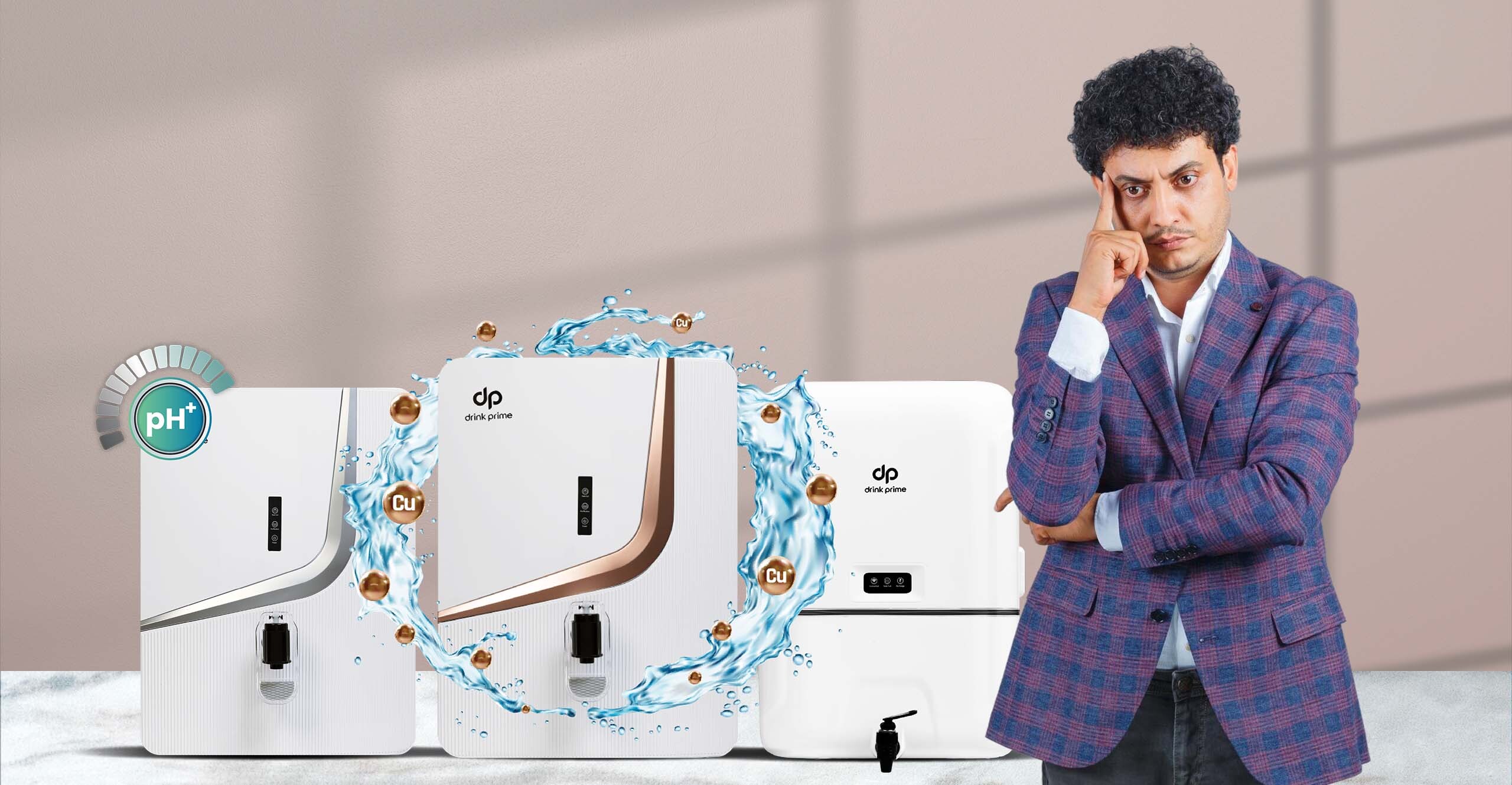
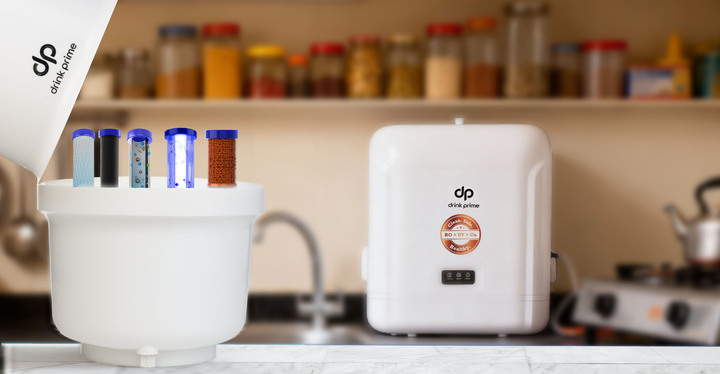
DrinkPrime makes use of a smart water purification system from one area to another, which means a one-size-fits-all approach doesn’t always work. DrinkPrime uses smart purification systems that combine technologies such as:
- RO purification
- UV treatment
- Carbon filtration
- Advanced purification stages
These combined technologies make sure that it is an effective removal of impurities while maintaining water quality suitable for every consumption. Additionally, DrinkPrime’s subscription model allows users to access purified drinking water without worrying about high upfront costs, making safe drinking water more accessible for modern households.
Summary
In summary, disinfection of water is an important step in making sure you get access to safe drinking water by removing harmful microorganisms like bacteria, viruses, and parasites that can cause serious waterborne diseases. While filtration removes visible impurities and certain contaminants, disinfection specifically targets all the invisible pathogens that may still remain in treated water. Besides, the common methods of disinfection of drinking water include UV treatments, chlorination, and ozonation, each offering unique benefits that depend completely on the application. Chemicals such as chlorine and chloramine are widely used because of their effectiveness in controlling microbial contamination.
However, disinfection alone is not always enough to guarantee completely safe drinking water, as water may also contain dissolved salts, chemicals, and other impurities. This is why modern purification systems combine multiple technologies to provide comprehensive treatment. DrinkPrime implements RO, UV lamp, carbon filtration, and an advanced purification process to deliver safe and healthy drinking water tailored to your local water conditions.
FAQs:
- What is disinfection of drinking water?
Disinfection of water is the process of removing harmful microorganisms like bacteria, viruses, and other microbial pathogens to make water safe for human consumption.
2. Which chemical is used to disinfect water?
Chlorine is the most commonly used chemical for water disinfection, and other chemicals include chloramine and ozone.
3. What are two chemicals used to disinfect water?
The two chemicals that are commonly used are chlorine and chloramine. Both of them are widely used in municipal water treatment systems.
4. Is disinfection of water by chlorine safe?
Yes, when used in recommended amounts, chlorine is considered a safe and effective method for disinfecting drinking water.
5. Does disinfection remove all contaminants from water?
No, disinfection primarily targets microorganisms. Other contaminants like heavy metals, salts, and dissolved chemicals may require additional purification methods such as RO filtration.
Get 7 Days Risk Free Trial