You fill a glass of water straight from the tap. It looks clean, clear, and perfectly safe to drink. But have you ever stopped to wonder where that water actually comes from and what might be hiding inside it?
For millions of households, drinking water usually comes from two main sources: groundwater and surface water. While both may appear similar, the truth is they are completely different when it comes to water quality, contamination risks, mineral content, and overall safety.
Groundwater travels deep beneath the earth through layers of soil and rocks, picking up minerals and sometimes harmful contaminants along the way. Surface water, on the other hand, remains exposed to pollution, industrial waste, bacteria, and environmental impurities. The scary part? Most contaminants in water are invisible to the naked eye. Just because water looks clean does not mean it is safe.
This is exactly why understanding the difference between groundwater and surface water is more important than ever, especially in Indian households where water quality can vary drastically between borewell water, tanker water, and municipal supply.
In this blog, we will break down how groundwater and surface water differ in quality, the hidden risks associated with both, and why investing in the right purification solution matters. We will also explore how smart solutions like DrinkPrime help households tackle changing water conditions and ensure access to safer, cleaner, and better-tasting drinking water every day.

Understanding what Groundwater is
Groundwater is the water that is stored beneath the earth’s surface in soil, sand, and rock formations called as aquifers. This water usually comes from rainwater that slowly seeps into the ground. People access groundwater through:
- Wells
- Borewell
- Hand Pumps
- Underground water sources.
In Indian cities, especially where municipal supply is inconsistent, groundwater becomes a primary water source for Indian households and apartments.
Understanding what Surface Water is
Surface water is any body of water found above ground level and includes:
- Rivers
- Lakes
- Reservoirs
- Ponds
- Streams
Let’s Understand how Ground Water Quality Differs
One of the major characteristics of groundwater quality is its high mineral content. As water travels through layers of rocks and soil, it completely dissolves minerals like magnesium, calcium, iron, and salts. This generally results in:
- Hard water
- High TDS (Total Dissolved Solids)
- Metallic taste
- Scaling in appliances
- Staining on fixtures
There are regions where groundwater also comprises harmful contaminants like fluoride, arsenic, nitrates, or heavy metals. But one challenge with groundwater is that contaminants are not always visible. Water may appear crystal clear, but it will still contain dissolved impurities that can completely affect your health.
Surface Water Quality: Understanding Why Water Quality Differs
Unlike groundwater, surface water is directly exposed to the environment. Because of this, it is more vulnerable to contamination from:
- Industrial waste
- Sewage discharge
- Agricultural runoff
- Plastic waste
- Microbial contamination
Generally, surface water usually comprises of lower mineral content when compared to groundwater, but it carries bacteria, viruses, algae, and other organic pollutants. This means that surface water generally requires extensive or advanced treatment before it becomes safe for drinking.
Groundwater vs Surface Water: Key Quality Differences
1. Mineral Content
When it comes to mineral content, groundwater typically contains more dissolved minerals because it passes through underground rock formations. On the other hand, when it comes to surface water, it usually has lower mineral content but may contain more organic matter and suspended particles.
2. Microbial Contamination
Surface water is more prone to bacterial and viral contamination because it is exposed to human and animal activities. Groundwater is naturally filtered through several soil layers, which may completely reduce the microbial contamination to some extent.
3. Chemical Pollution
Chemical pollution is another major concern. Surface water becomes chemically polluted through direct dumping and runoffs, but when it comes to groundwater, it absorbs harmful chemicals from pesticides, industrial waste, and fertilisers that seep into the soil.
4. Water Hardness
Groundwater is commonly hard due to the dissolved amount of calcium and magnesium. On the other hand, surface water is generally softer.
5. Seasonal Changes
Surface water quality changes frequently depending on rainfall, flooding, and pollution levels. Groundwater quality, on the other hand, tends to remain relatively stable but can deteriorate over time due to over-extraction and contamination.
Why Water Quality Matters More than Ever
Presently, water contamination is no longer just a rural issue. Urban households also face serious water quality challenges. For instance, Borewell water in apartments may have extremely high TDS levels, municipal water may contain chlorine and microbial impurities, and ageing pipelines can introduce contaminants into treated water. This is why just relying on the source of water is not enough anymore. Whether it is groundwater or surface water, proper purification is important.
Let’s Talk: Why Should You Invest in Advanced Water Purification
Different water sources require different and advanced purification approaches.
- Hard groundwater may need RO purification to reduce the excess amount of TDS.
- Surface water may require UV purification to remove microbes
- Some water sources need multi-stage purification systems.
This is where modern and ideal solutions like DrinkPrime come in.
Why Choose DrinkPrime
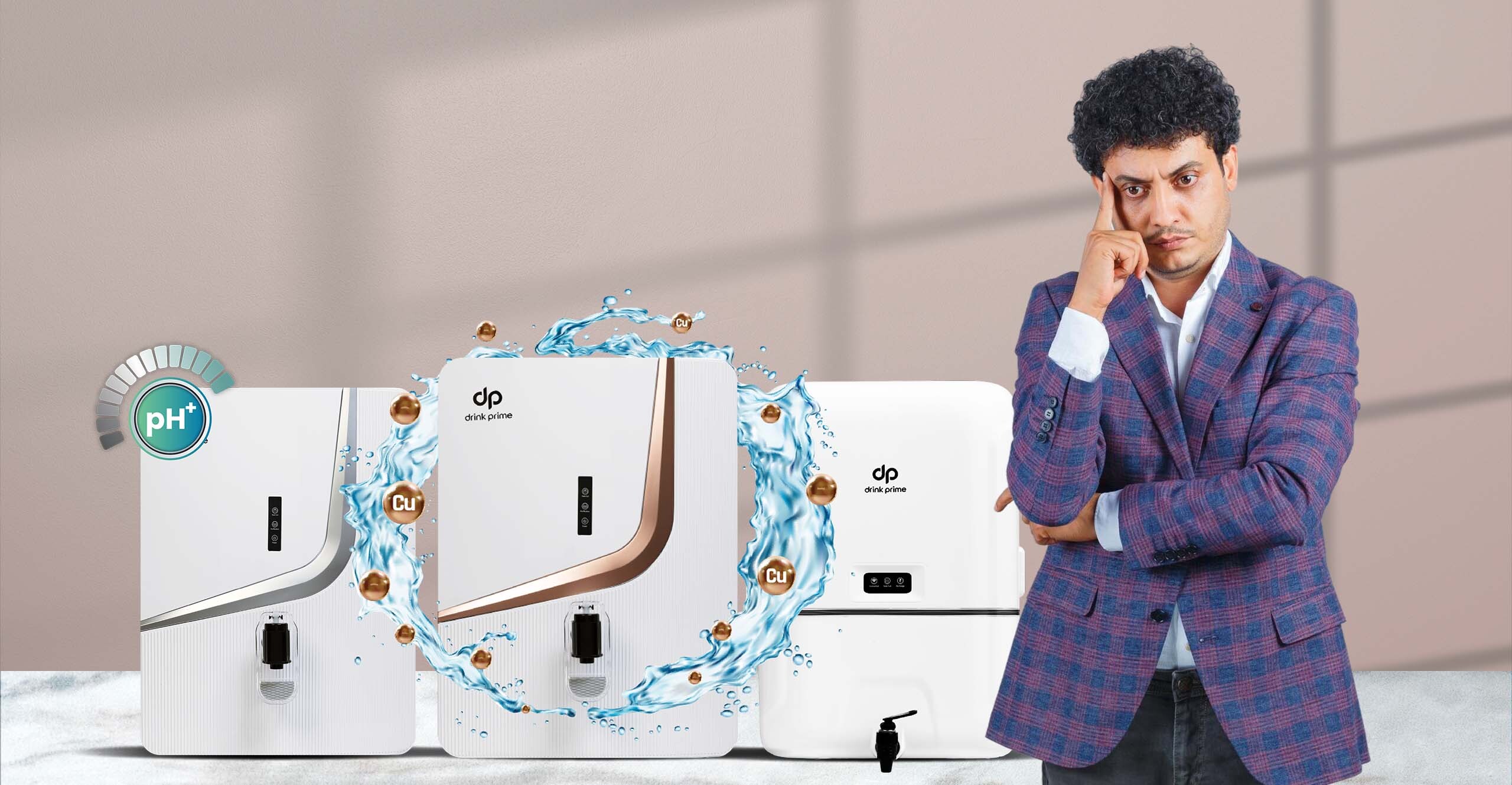
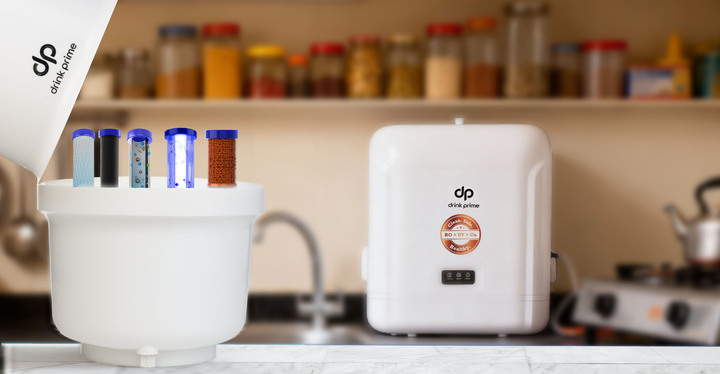
DrinkPrime provides smart water purifiers designed to handle varying water conditions that are commonly found in Indian households. So, instead of using a one-size-fits-all approach, Drinkprime makes use of advanced technology that adapts purification based on incoming water quality. This becomes especially useful in several areas where groundwater quality changes frequently or where households switch between tanker water, municipal supply, or borewell water. Some advantages include:
- Multi-stage purification systems
- Effective TDS management
- Smart monitoring features
- Flexible subscription model
- Regular maintenance support
For Indian households struggling with inconsistent water quality, this can help in making sure that they have safer and better-tasting drinking water without constantly worrying about changing water conditions.
Get 7 Days Risk Free Trial
Conclusion
In conclusion, understanding the difference between groundwater and surface water is important because both come with their own set of water quality challenges. While groundwater may contain high mineral content and dissolved contaminants, on the other hand, it is often more vulnerable to viruses, bacteria, and environmental pollution. No matter where your water comes from, it completely relies on its appearance or source is never enough to get guarantee safe and clean water.
Additionally, with increasing concerns around contamination, high TDS levels, and inconsistent water supply in Indian households, investing in the right advanced water purification system has become much more important than ever. So choosing an advanced solution that can adapt to different water conditions helps ensure that your family gets access to safe, clean, and better-tasting drinking water every day.
This is where solutions like DrinkPrime make a real difference. By offering smart purification technology designed for varying water conditions, DrinkPrime helps households manage changing water quality with ease, ensuring healthier and safer hydration for everyday life.