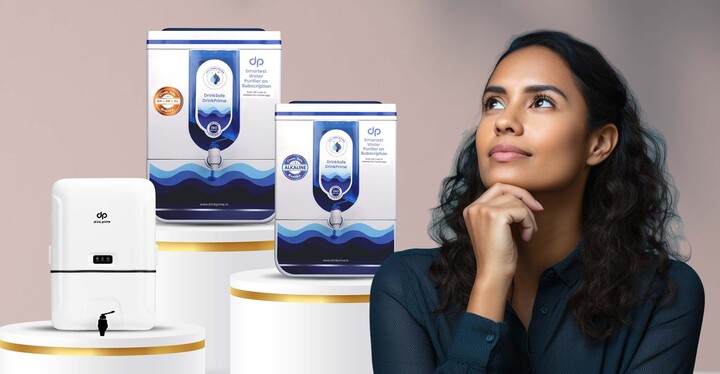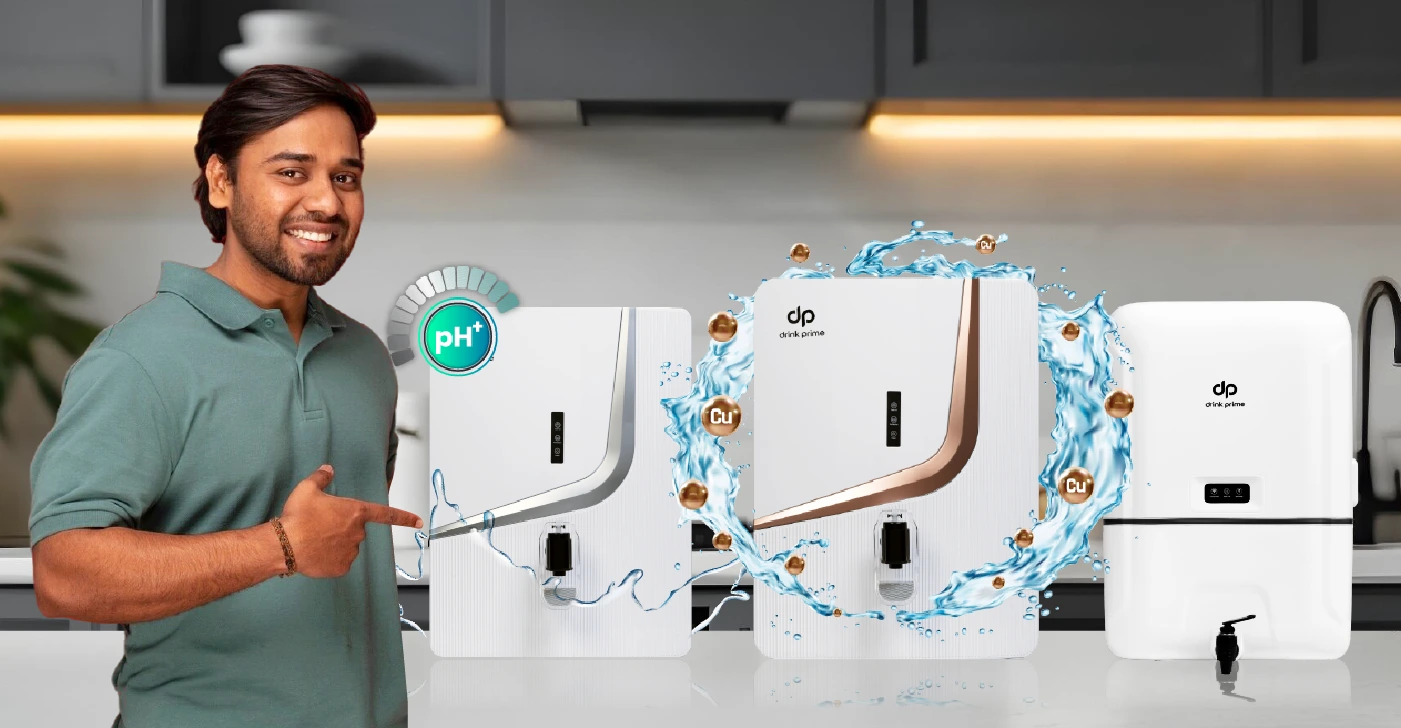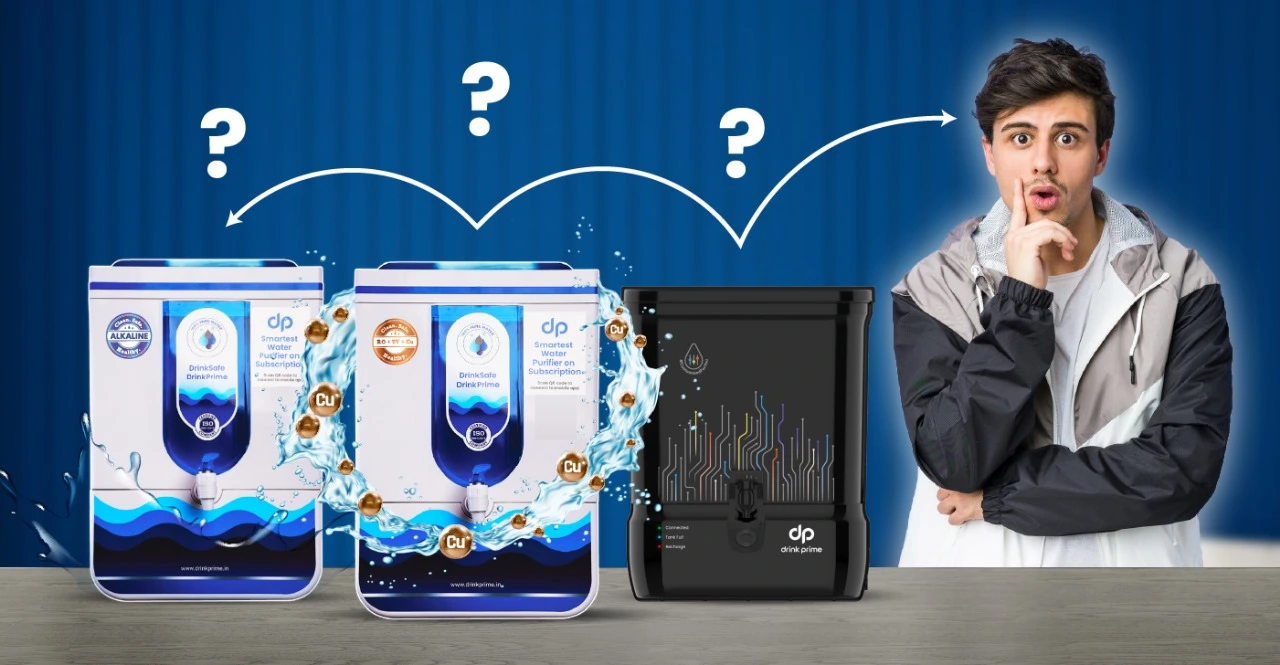
Nobody tells you this when you’re buying a water purifier. The water purifier that worked perfectly for your friend or maybe a neighbour may be completely wrong for your home, because the water entering your home could be entirely different.
A lot of Indian households receive water from multiple sources throughout the year. Municipal water during one season, tankers during another, and sometimes even a mix of sources, without residents knowing about it, and as the sources change, water quality changes.
Yet most people buy a purifier based on advertisements, discounts, or recommendations from family and friends.
That’s like buying prescription glasses without checking your eyesight.
In this blog, we will break down which type of water purifier works best for different water conditions, what features actually matter before spending your money, and how to avoid paying for a purifier that isn’t built for your water in the first place.
Why Water Quality Matters in 2026?
Many Indian households no longer rely on a single water source. Today, your water may come from multiple sources like municipal water, borewell water, tanker water or mixed water sources, depending on the season. But the major challenge is that water quality keeps changing.
Additionally, during the summer season, water is stored in tanks that get heated up. During shortages, societies depend more on tankers. In many Indian cities, the TDS levels fluctuate drastically throughout the year. That is a reason selecting the right water purifier has become more important than simply choosing a popular brand.
Which Type of Water Purifier Is Best for Home?
One of the most common questions that people ask is “Which type of water purifier is best for the home?” and the answer depends on your water quality.
1. RO Water Purifier
Reverse Osmosis or RO water purifier technology is an ideal solution when:
- Water has high TDS
- Water comes from borewells
- Water comes from tankers
- Water contains dissolved impurities
RO membrane eliminates excess dissolved solids and improves taste significantly. For many Indian households, especially in urban areas, an RO water purifier is often the safest choice. RO membranes remove excess dissolved solids and improve taste significantly.
2. UV Water Purifier
Ultraviolet water purifiers make use of ultraviolet lights to kill viruses and bacteria. It works well when water already has low TDS, municipal water is the primary source, and the concern is microbial contamination in your water.
3. RO + UV Water Purifier
This combination is becoming increasingly popular in the Indian market because it addresses multiple water quality issues. It can effectively reduce the TDS, eliminate harmful bacteria, and improve overall water quality. Besides, for households where water sources change often, this combination is an ideal solution.
Features to Look for in the Best RO Water Purifier for Home
Before you make a purchase, aim on these factors rather than flashy and attractive advertisements.
1. TDS Reduction Capability
A good RO water purifier should effectively handle TDS levels without compromising water quality.
2. Mineral Retention
Many modern water purifiers often comprise mineral retention or remineralisation technology to improve taste.
3. Storage Capacity
For many larger families, adequate storage makes sure that you get access to purified water even during power cuts.
4. Service Support
Even the best water purifier becomes useless after some time. So, timely maintenance is required for optimal performance, so make sure to check service availability in your city before purchasing.
5. Water Source Compatibility
Many homes receive water from multiple sources throughout the year. A purifier should be capable of handling these variations efficiently.
Best Water Purifier in India for Home: What Should You Prioritise?
Instead of asking “which company water purifier is best?” ask these questions:
- What is the TDS level?
- How often does the water quality change?
- What is the source of water?
- Can I maintain the purifier regularly?
- What will be the annual maintenance cost?
Additionally, a water purifier that works perfectly for one household may be completely unsuitable for another. This is why understanding your water matters more than blindly following brand recommendations.
Why Choose DrinkPrime?
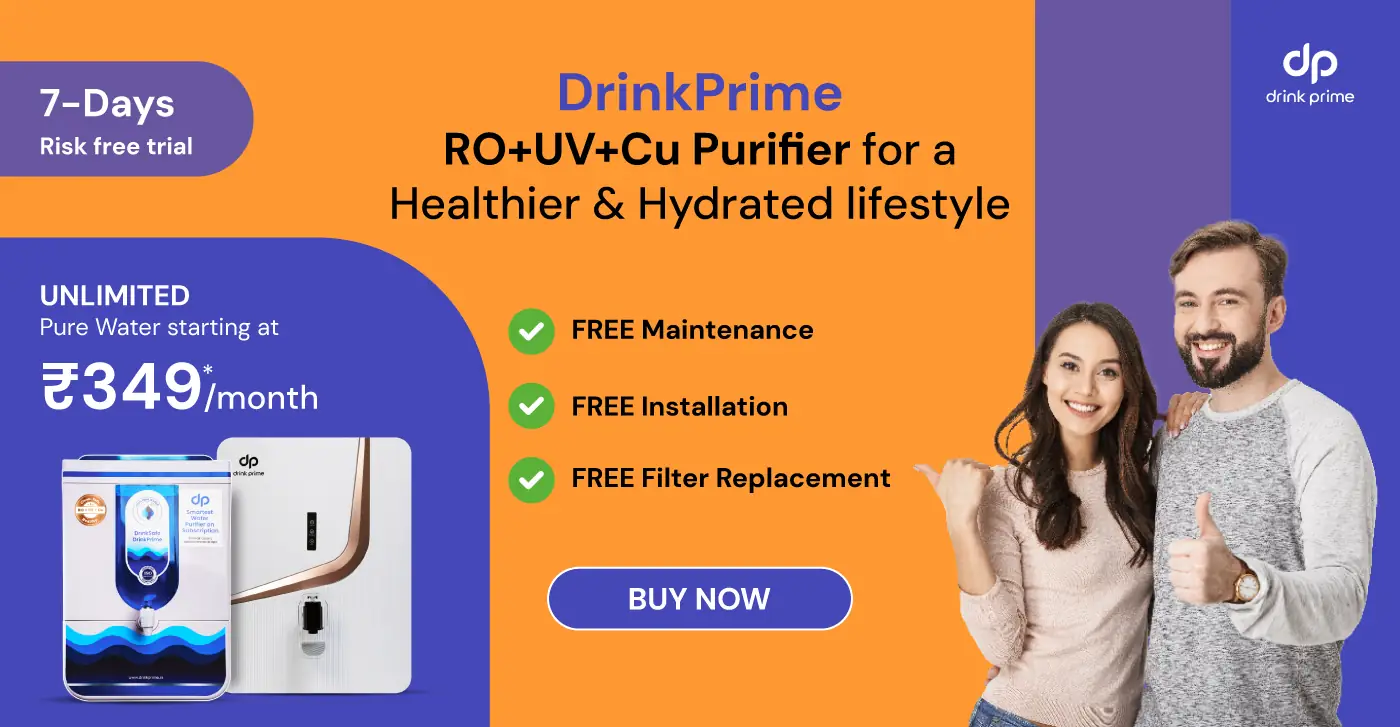
Old and traditional water purifiers usually solve one problem but create another one. You buy a water purifier, then worry about maintenance, servicing, filter replacement, unexpected repair costs, and annual maintenance contracts as well. This is where DrinkPrime comes in, so, instead of purchasing a water purifier, DrinkPrime offers a water purifier on a subscription-based model. With DrinkPrime, you get:
- Advanced RO-based water purification technology
- Installation support
- Regular maintenance
- Filter replacement
- Service assistance.
Additionally, one of the biggest advantages is that DrinkPrime water purifiers are designed to adapt to changing water conditions, hence making them particularly useful for Indian households where water quality fluctuates throughout the year. For people who don’t want the headache of ownership and maintenance, DrinkPrime has become a practical alternative.
Summary
In summary, choosing the right water purifier has become more important than ever because many Indian households depend on several water sources like borewell water, municipal water, and tanker water. Since water quality and TDS levels can drastically fluctuate throughout the year, selecting a water purifier based on your water condition is important.
RO water purifier is a perfect choice for high TDS water, tanker water, and borewell water containing dissolved impurities. UV water purifiers work best for low-TDS municipal water where microbial contamination is the primary concern. RO + UV water purifiers provide comprehensive protection by reducing TDS and eliminating harmful microorganisms, making them suitable for households with changing water sources.
Besides, while choosing a water purifier, focus on parameters like TDS reduction capability, mineral retention, service support, storage capacity, and compatibility with different water sources. So, rather than selecting a water purifier that is based completely on brand popularity, understanding your water quality and maintenance requirements will help you make an ideal decision.
DrinkPrime, on the other hand, offers a subscription-based model that includes advanced RO water purification, installation, maintenance, filter replacement, and service support. Investing in a DrinkPrime makes a practical option for managing changing water conditions throughout the year.
FAQs:
- Which type of water purifier is best for home use?
The best water purifier depends on your water source and quality. RO purifiers are suitable for high-TDS water, UV purifiers are ideal for low-TDS municipal water, and RO + UV purifiers are recommended when water quality varies throughout the year.
2. How do I know if I need an RO water purifier?
If your water comes from borewells, tankers, or has high TDS levels, an RO water purifier is generally recommended because it removes excess dissolved solids and improves water taste.
3. Is a UV water purifier enough for municipal water?
Yes, if your municipal water has low TDS and the main concern is bacteria and viruses, a UV purifier can effectively disinfect the water without altering its mineral content.
4. What factors should I consider before buying a water purifier?
Make sure you check the water source, TDS level, storage capacity, maintenance requirements, and customer support in your area.
5. How is DrinkPrime different from traditional water purifiers?
Unlike traditional ownership models, DrinkPrime offers water purifiers on a subscription basis, including installation, maintenance, filter replacement, and service support, reducing the burden of unexpected repair and maintenance costs.
Get 7 Days Risk Free Trial