You feel nauseated, and your first thought is “oh, maybe I ate something, and I didn’t suit me”. Maybe it was the street food, maybe yesterday’s leftover, or maybe some random bad stomach day.
You ignore it, drink some water, and hope to settle it down.
An uncomfortable truth here is that what looks like normal food poisoning is actually linked to water-borne disease. They slip in through drinking water, poor hygiene, or even small daily habits that you never question. And that’s exactly why the question matters here: what measures would you take to prevent water-borne diseases? In this blog, we will break down, without overcomplicating it, what really causes these diseases, and simple things you can actually do to stop them before they start.
Understanding what water-borne diseases are
Before prevention, let’s quickly understand what the underlying problem is. Water-borne diseases are caused by water that happen when contaminated water carries harmful microorganisms like viruses, bacteria, parasites, or any toxic chemicals into the body. This usually happens through drinking water, eating food washed with contaminated water, and poor sanitation.
Some of the common water-borne diseases are:
- Cholera
- Typhoid
- Diarrhoea
- Hepatitis A
- Gastroenteritis
- Dysentery
Such illness can range from mild stomach discomfort to severe dehydration and infections.
Let’s Explore 4 Types of Water-Related Diseases
Many people don’t realise that there are different types of water-borne diseases. Let’s understand the water-related diseases.
1. Water-Borne Diseases
Such types of water-borne diseases are caused by ingestion, such as consuming contaminated water, or consuming food that is washed with contaminated water that comprises bacteria or faeces. Examples are cholera, typhoid, and hepatitis A.
2. Water-Washed Diseases
Such a disease generally happens due to poor hygiene, which is caused by a lack of clean water. Skin infection and eye infection are examples of water-washed diseases.
3. Water-Based Diseases
Such water-related diseases are caused by parasites that spend a portion of their life cycle in aquatic environments and the rest inside a human host. Or in simple words, these water-related diseases are caused by tiny parasites that live partly in water and partly inside the human body. For example, Schistosomiasis or Bilharzia, caused by parasitic worms that are found in infested freshwater. The larvae penetrate the skin when a person bathes in contaminated water.
4. Water-Related Vector Diseases
Water-related vector diseases are transmitted by insects that generally breed in or near water, like mosquitoes. For example: malaria or dengue.
These are the 4 types of water-related diseases that one must be aware of, as they can spread through contaminated drinking water, poor hygiene, parasites, or even insects that breed in dirty water.
What Measures Would You Take to Prevent Water Borne Diseases?
Let’s now get into some real understanding on how you should take preventive measures for water-borne diseases.
1. Store Water Properly
One simple thumb rule: make sure that you use a clean, covered container, and avoid dipping your hands directly into stored water. Also, wash storage containers regularly, and don’t mix old and fresh water altogether. (Yes, mixing old and fresh new water is still something that most people do).
Old stored water can already contain germs or even tiny contaminants, and mixing it with fresh water increases the risk of contamination.
2. Wash Hands Like You Actually Mean It
Before eating food, after using the toilet, before cooking, and even after handling garbage, wash your hands properly for at least 30 seconds. Clean water and soap can effectively reduce the spread of many contaminated water diseases drastically.
3. Avoid Street Water and Street Food
This is something most of us can’t avoid: street food. The momos, pani-puris, and roadside juices are not always safe because the water they use is questionable. From chutneys to washing utensils, contaminated water can easily carry viruses and bacteria that can cause water-borne diseases like stomach infections.
4. Focus on Clean Surroundings
Mosquitoes breed in stagnant water, dirty drains, and become a breeding ground for bacteria, and open garbage can contaminate nearby water sources very easily. This is why preventing water-related diseases is not only about drinking safe, clean water but also about maintaining a clean environment around your home. Simple and tiny habits like avoiding water stagnation, cleaning drains regularly, disposing of waste properly and keeping toilets sanitised can go a long way in reducing the spread of infections and diseases caused by contaminated surroundings.
Why Prevention Matters More Than Treatment
Most people take water safety seriously only after falling sick. But treatment costs more, and missed workdays or school days cost even more. In some cases, recovery is very slow and frustrating, which can affect daily life far beyond just physical health. And the smarter way to approach is prevention, because clean and safe water is something that should not be taken for granted. With rising pollution levels, ageing pipelines, and increasing risks of contamination in cities, making sure that safe drinking water becomes one of the simplest yet most important health decisions that you can make.
Why Choose DrinkPrime
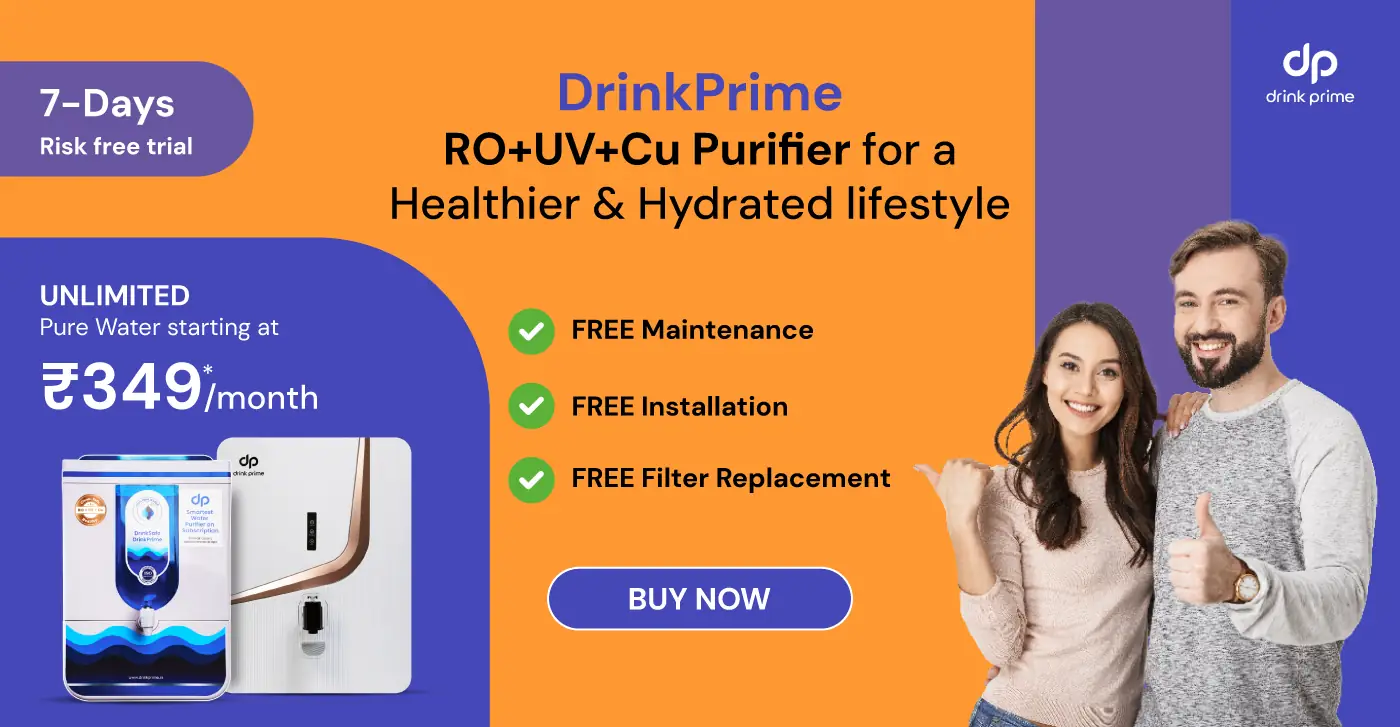
DrinkPrime offers a subscription model that gives you access to advanced water purification systems without any financial burden. The water purifiers are designed to eliminate the impurities, bacteria, and contaminants that reduce the risks of water-related disease at home. Moreover, regular maintenance and servicing are included in the plan, ensuring that the water you consume is safe, clean, and healthy without you having to worry about filter changes. It also allows you to track water usage and purifier performance through its app, giving you better control and transparency over your daily water consumption.
In a time when clean water is essential for health, DrinkPrime makes it easier for households to stay protected every day.
Summary
In summary, at the end of the day, water is something that we use every single day, but rarely question until it causes any major problem. The reality is very simple: most of the water-borne diseases are completely preventable if we stay a little more mindful about the water we consume, how we store it, and the environment we live in. Simple and small habits like clean containers, washing hands properly, avoiding unsafe street food and water and keeping the surroundings hygienic are basic hygiene practices, but they play a massive role in stopping water-related diseases before they even begin.
Nowadays, where contamination risks are increasing day by day, having a reliable source of safe and clean water is necessary. DrinkPrime makes this very easy by making sure that access to safe and purified water, along with regular maintenance and monitoring, so safety is never compromised.
FAQs:
1. What are the most common water-borne diseases?
Common water-borne diseases are cholera, typhoid, Hepatitis A, dysentery, and gastroenteritis.
2. How can I prevent water-related diseases at home?
You can prevent water-related diseases by drinking purified water, storing water in clean, covered containers, washing hands and maintaining proper hygiene in your surroundings.
3. Why is clean water important for health?
Clean and safe water is important because contaminated water carries harmful bacterias, and parasites that lead to infections, stomach issues, and other serious health problems.
4. How does DrinkPrime help in making sure safe drinking water?
DrinkPrime provides subscription-based water purifiers that remove impurities, bacteria, and contaminants. It also includes regular maintenance and app-based monitoring, ensuring you always have access to safe and clean drinking water without hassle.
Get 7 Days Risk Free Trial