Chennai, the vibrant capital of Tamil Nadu, sits on India’s southeast coast, facing the vast expanse of the Bay of Bengal. Its strategic geographic location gives the city a beautiful shoreline, but also places it at the frontline of coastal environmental challenges. Moreover, among the most pressing issues for Chennai’s residents today is drinking water security. Coastal conditions are the intrusion of seawater into freshwater resources, and they are the most threatening for both the quantity and quality of water for everyday use. In this blog, we will understand the coastal dynamics and how they affect the drinking water quality and why investing in an advanced water purification system is essential.

Understanding the Coastal Setting and Natural Water Balance
Chennai’s coastal aquifers are natural underground reservoirs of freshwater that are essential sources for borewells and local water supply. In a balanced system, fresh groundwater that seeps down from rainfall generally maintains enough pressure to keep seawater at bay. But, due to several human activities and environmental pressures, this balance has been disrupted. Additionally, due to excessive groundwater pumping that meets the city’s demand, the freshwater table drops. This completely allows the denser seawater to creep inland, which is known as saltwater intrusion. Also, over time, this salinises the aquifers, which makes water unfit for consumption.
How Coastal Conditions Impact Chennai’s Drinking Water
1. Saltwater Intrusion Increases Salinity
Saltwater intrusion is one of the major threats to Chennai’s water quality. As freshwater is pumped faster than it can be recharged by rain, the natural interface between freshwater and seawater shifts inland. This means that borewells that once yielded potable water are now producing saline water with TDS and sodium levels that are above safe drinking-water standards. Moreover, residents along the East Coast Road and the surrounding coastal areas already reported increasing salinity in groundwater that is used for drinking.
Besides, high salinity affects health and taste. So, drinking salty water over a long period of time can affect the kidneys and cardiovascular system, and can also heighten the risks of dehydration.
2. Sea-Level Rise and Climate Change Pressures
Sea levels along the Tamil Nadu coast are slowly rising due to global warming. And even a small rise increases the pressure of saltwater on coastal aquifers. When combined with irregular rainfall and reduced natural recharge in some years, the risk of seawater infiltration into freshwater sources is multiplied. Coastal cities like Chennai are, and therefore, doubly impacted by both natural sea processes and human water use patterns. Over a certain period of time, rising sea levels can effectively aggravate flooding during cyclones and storm surges, pushing the saline water inland and contaminating surface and subsurface water bodies.
This can extend beyond aquifers to lakes and smaller ponds that may be community depends on.
3. Urbanisation and Reduced Recharge
Most of the rapid urban development in Chennai has exacerbated the drinking water challenges. Concrete surface, paved roads, and high-rise constructions prevent rainwater from infiltrating the ground level. So, instead of replenishing underground aquifers, rainwater runs off into the sea. With less natural recharge, the freshwater shrinks, and it facilitates the inward movements of seawater. This urban imprint further weakens Chennai’s ability to sustain reliable, quality water from its ground reserves.
4. Pollution and Coastal Runoff
Coastal cities often witness contamination from industrial runoff and sewage discharge. When monsoon rains wash debris and pollutants into groundwater recharge zones or the sea, it can effectively lead to microbial and chemical contamination. Coastal waters with high microbial load present heightened health risks when used as drinking water sources without adequate treatment.
Practical Solutions for Chennai’s Drinking Water Challenges
1. Rainwater Harvesting and Recharge Structures
One of the most effective and ideal solutions to address aquifer depletion and saltwater intrusion is increasing natural recharge. The Greater Chennai Corporation is implementing a large-scale rainwater harvesting system in parks and open spaces to capture monsoon rains and funnel them into the groundwater, which helps in refilling groundwater levels. Such initiatives can reduce the pressure on aquifers, slow salinisation, and improve the long-term water security.
2. Desalination and Municipal Supply Expansion
This is another practical solution, where Chennai has invested in seawater desalination plants like Nemmeli to offer piped drinking water to city households. These plants convert seawater into portable water, which offers a dependable alternative during dry months and in coastal zones where groundwater is compromised.
3. Invest in a Water Purification System
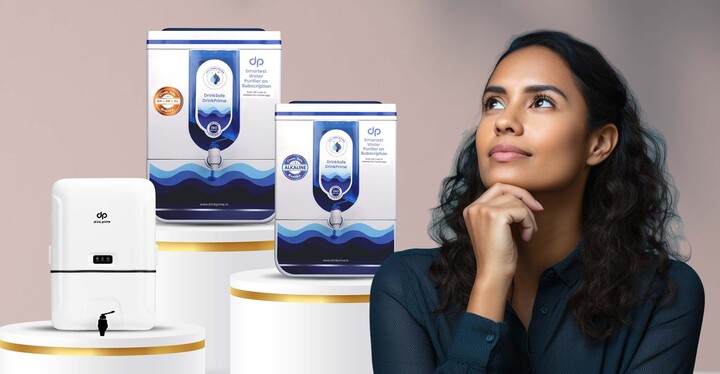
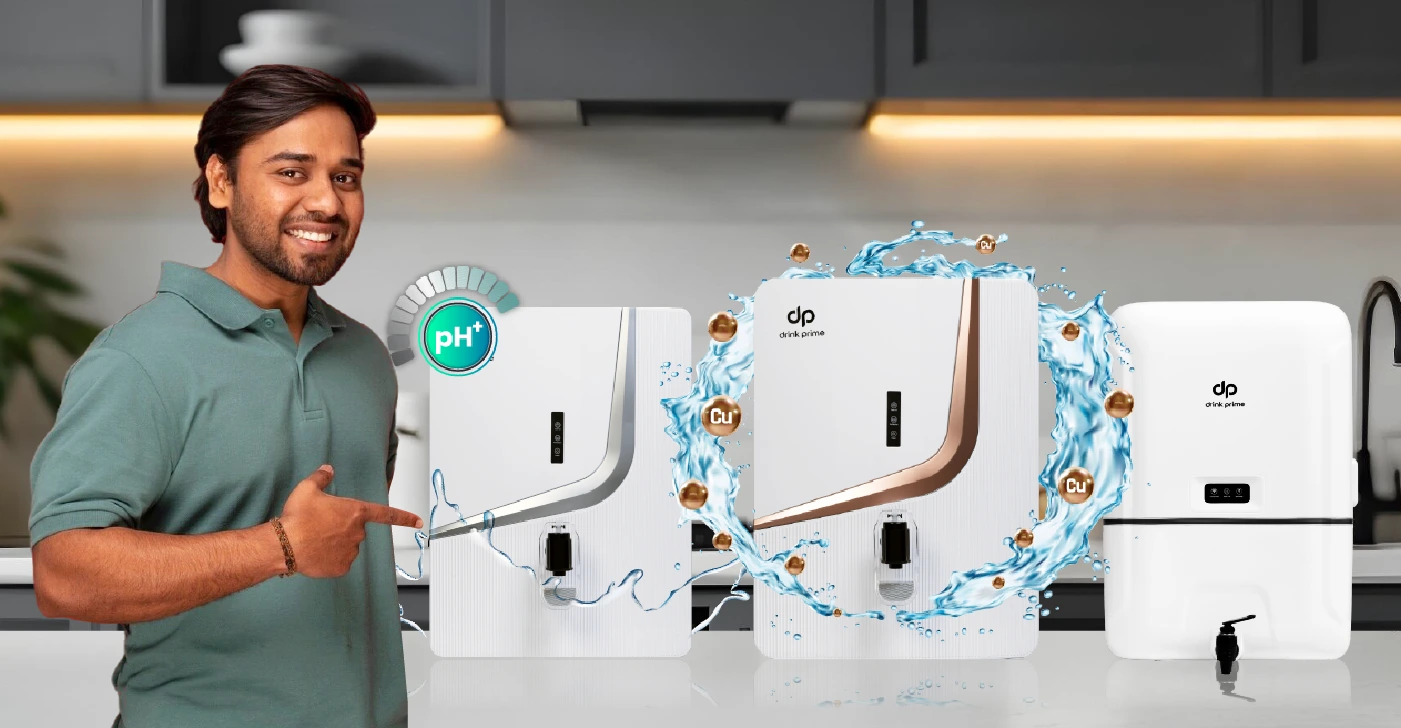
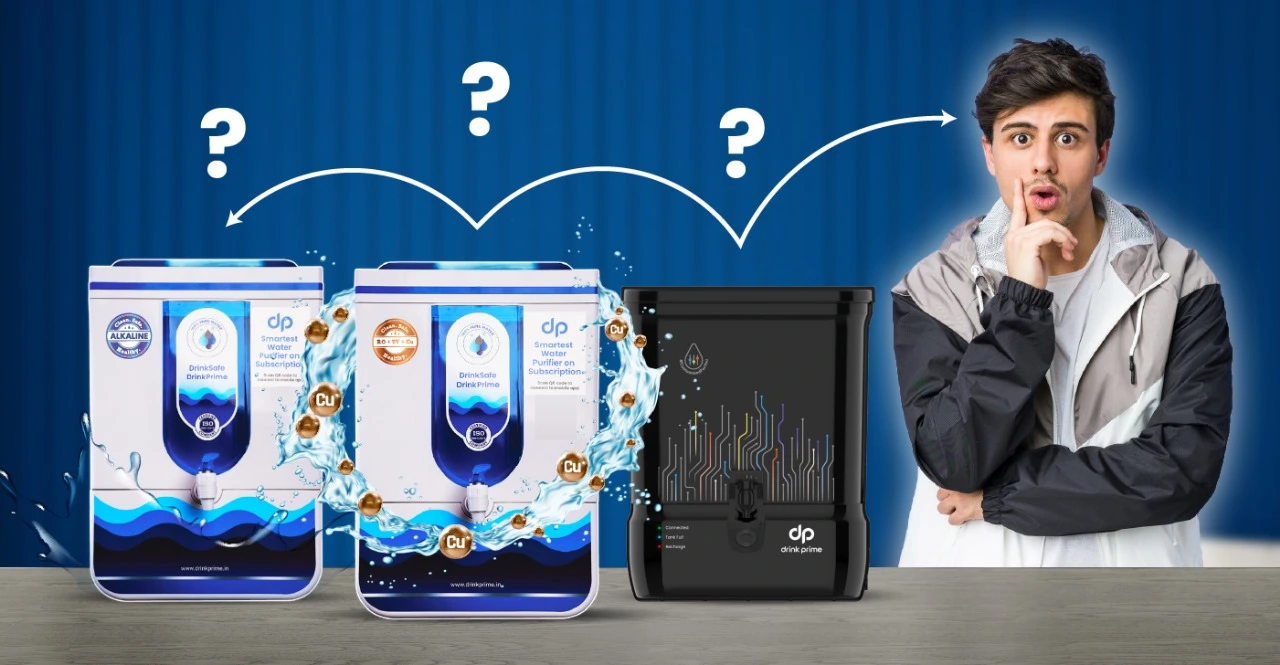
While a city-wide solution builds resilience, many Indian households still need safe and healthy drinking water every day. This is where modern purification systems play an important role. DrinkPrime is an advanced water purification service that installs an RO+ UV filtration water purifier at your home. Such systems are specifically designed to tackle high salinity, TDS levels, and other microbial contaminants that are very common issues in urban cities like Chennai. Additionally, with routine maintenance and certified filters, DrinkPrime helps families to avoid health risks from such unfit water, cut back reliance on bottled water, and deliver peace of mind where traditional municipal water quality can be variable.
Get 7 Days Risk Free Trial
Conclusion
In conclusion, Chennai’s coastal geography is both a gift and a growing challenge. While the city benefits from the proximity to the sea, the same coastal conditions, which include saltwater intrusion, rising sea levels, rapid urbanisation, and pollution, are completely impacting the quality and quantity of drinking water.
As groundwater becomes increasingly saline and vulnerable to contamination, making sure that water for everyday consumption is no longer just a civic responsibility but a household priority. Additionally, large-scale measures like rainwater harvesting and desalination plants provide long-term resilience, but they must be complemented by reliable in-home purification solutions. So, investing in an advanced water purifier like DrinkPrime helps in safeguarding families against high TDS levels, salinity, and microbial contamination that are common in coastal cities like Chennai. In a changing climate and evolving urban landscape, combining sustainable water management with smart purification technology is essential to secure clean, safe drinking water for today and the future.