As the winter season is ending, summer is on its way. In India, summer is very intense. With the rise in temperature across cities like Mumbai, Delhi, Chennai, Bengaluru, and Kolkata, the water challenges become much more difficult and severe. From falling groundwater levels to inconsistent municipal water supply, households across urban India face a mix of quantity and quality issues during the hottest months of the year.
Besides, water scarcity often makes many adverse summer water problems go beyond just availability. Moreover, changes in water source, higher contamination risks, and strain on infrastructure all affect what comes out of your tap. In this blog, we will take a closer look at the most common summer water problems in Indian cities and what major households can do about them.
Understanding Common Summer Water Problems
1. Declining Water Levels and Supply Cuts
One of the most common problems in summer is the reduced amount of water supply. This happens due to the demand for water increasing and reservoirs drying up; many cities implement water rationing. Moreover, in several neighbourhoods, water may be supplied only for a few hours a day. Also, the lower groundwater levels affect borewells. As the water table drops, pumps draw water from the very deep levels, which often contain higher concentrations of dissolved salts and minerals, and this not only affects the taste of water but also impacts the long-term health of plumbing systems and appliances as well.
2. Increased Dependence on Tanker Water
When municipal water supplies fall short, there are many urban households that turn to private tankers. In many cities like Chennai and Bengaluru, tanker water becomes a primary source of water during peak summer.
Also, the challenge is inconsistency. Tanker water may come from very different sources or borewells each time, which can lead to fluctuations in TDS levels and varying contamination risks. There are some loads that may be relatively safe, while others may contain higher levels of impurities that include heavy metals or microbial contaminants. Additionally, without any proper filtration, relying completely on tanker water for drinking can pose severe health risks, and this unpredictability can make home water purification important during the summer season.
3. High TDS and Hard Water Problems
As water levels drop, concentrations of minerals often rise. High levels of TDS and hard water are common in summer across many Indian cities.
Hard water contains high levels of calcium and magnesium, and while not always harmful for bathing or washing, it can leave white scale deposits on taps and utensils, reduce the efficiency of geysers and washing machines, and can adversely affect the taste of drinking water. Additionally, high TDS water may also feel heavier and have a salty or metallic taste. And in extreme cases, it can cause digestive problems, especially for children and the elderly.
4. Risk of Microbial Contamination
Summer heat can lead to bacterial growth, and when water pipelines develop leaks or when stored water is exposed to heat, the risks of microbial contamination increase.
Additionally, intermittent water supply can worsen issues, and when pipelines are empty, contaminants may enter the water through cracks. And, once supplies are resumed, these contaminants can mix with household water. And symptoms like stomach infections, diarrhoea, and waterborne illnesses can tend to spike during summer months, and boiling water can be the temporary solution, but it does not remove all the dissolved impurities or heavy metals. So, using a reliable water purification system with a UV lamp can give a significant layer of protection during such seasons.
5. Iron and Other Regional Contaminants
In different cities, there are places where different water quality has different concerns. For example, parts of eastern India may experience higher iron contents; on the other hand, coastal regions may see increased salinity intrusion during summer, and industrial areas may have concerns around chemical contamination. Because water sources shift in summer, many households may see these sudden changes in colour, odour, or taste. Yellowish water, metallic smell, or unusual aftertaste are signs that water quality may have changed.
How Households Can Stay Prepared
Nowadays, in many cities, infrastructure improvements take time, while individual households can proactively take steps to safeguard their water quality during the summer season. Paying attention to all the visible changes in water taste, smell, or colour can help detect early signs of contamination, and it is also advisable to test water quality periodically, especially for homes that completely depend on borewell or tanker water, as the water source condition can fluctuate.
Additionally, regular cleaning of overhead tanks at least once or twice a year can effectively prevent sediment buildup and microbial growth. Additionally, using a water purification system that is suited to local water conditions ensures safer and more consistent drinking water. This is where flexible water solutions are becoming increasingly relevant for urban households.
Why Choose DrinkPrime this Summer
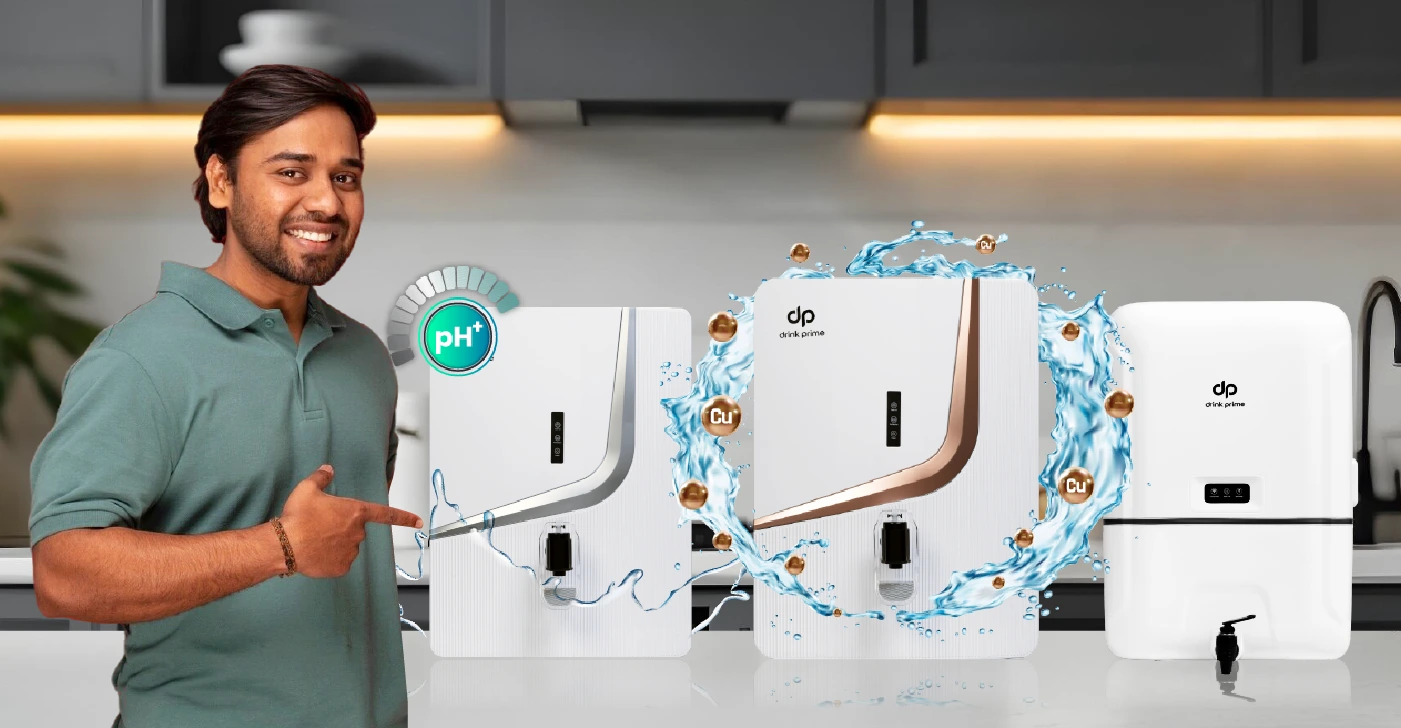
Given the unpredictable summer season, most urban households are now moving towards smart, adaptable purification systems. DrinkPrime offers a subscription-based model that is designed to adjust to varying water conditions.
In addition to the one-size-fits-all approach, the system is equipped to handle fluctuations in TDS and other contaminants commonly found in water during summer. Because tanker water and municipal supply can change frequently, having a purification system that can manage such variations offers consistency in drinking water quality.
Additionally, subscription models reduce the burden of large upfront investments and often include servicing and maintenance. This becomes especially important during summer, when filters may experience higher loads due to poorer source water quality.
For families in rapidly growing cities where water conditions shift frequently, such solutions provide both flexibility and peace of mind.
Summary
In summary, as the summer season approaches in India, rising temperatures across cities like Delhi, Mumbai, Bengaluru, and Kolkata bring massive water challenges for urban households. These problems go beyond simple water scarcity and include declining groundwater levels, supply cuts, increased dependence on tanker water, high TDS, and hard water, with a greater risk of microbial contamination. Moreover, seasonal shifts in water sources can lead to issues like iron content, salinity, and changes in odour and taste.
Additionally, to stay prepared, households should analyse visible changes in water quality, test water periodically, clean overhead tanks, and make use of an advanced purification system that is well-suited to local conditions. With water quality becoming increasingly unpredictable during summer, flexible solutions like DrinkPrime offer adaptable, subscription-based purification systems that manage fluctuations in TDS and contaminants. Such solutions help ensure consistent access to safe drinking water while reducing maintenance concerns and upfront costs, providing greater reliability and peace of mind during the summer months.
Get 7 Days Risk Free Trial