As winter approaches, many people believe that colder temperatures automatically make their surroundings much cleaner, which includes household water tanks as well. Since bacteria are commonly associated with warm and humid climates, it is easy to assume that winter naturally reduces or eliminates the risk of bacterial contamination, but this assumption can be misleading. Are you wondering how? While lower temperatures may effectively slow down the entire bacterial growth, they do not stop it entirely. Bacteria can still survive, and under certain conditions, they continue to grow in water tanks during winter. In this blog, we will explore how bacterial contamination persists in colder months, why it poses such health concerns, and how one can take steps to make sure that there is safe and hygienic water.

Why We Worry About Bacteria in Water Tanks
Your household water tank may seem like a simple storage container, but it is often exposed to insects, dust, bird droppings, and several other environmental contaminants, regardless of the season. Moreover, once bacteria get a foothold, they can multiply and form biofilms, slimy layers that completely protect bacterial colonies and make them harder to remove.
Also, common bacterial concerns like E. coli, Salmonella, Coliform bacteria, and Pseudomonas aeruginosa are some of the bacteria that are harmless, but others can effectively lead to gastrointestinal issues, infections, and long-term health problems, especially if you drink the water or use it for cooking.
Does Winter Stop Bacterial Growth?
1. Temperature slows growth but doesn’t kill bacteria
There are many bacteria that can thrive between 20°C and 40°C, but many can survive at much lower temperatures. In winter, when temperatures fall, their metabolism slows down effectively, but it doesn’t stop completely, especially in water tanks when exposed to sunlight or insulated by surrounding structures, temperatures that can remain warm enough for bacteria to persist.
2. Stagnant Water can be a Perfect Breeding Ground
Even in cold weather, water that is not circulated becomes stagnant. And this stagnation can reduce oxygen levels and create pockets of ideal conditions at varying depths of the tanks, hence allowing bacteria to survive and slowly multiply.
3. Dust and contaminants don’t disappear
Winter winds can carry organic matter or dust into tanks. So, if your tank is not covered properly or screened properly against pests, contaminants continue to enter, contribute nutrients that bacteria feed on, and contaminate the water.
Health Risks of Winter Bacterial Growth
So, you might think or wonder whether this is truly dangerous? The answer is Yes, and it can be. Even low levels of bacteria in winter can effectively lead to health issues like diarrhea, stomach cramps, infections, vomiting, etc., in people and can weaken immune systems, and cause skin irritation from bathing or washing. Winter also tends to coincide with a higher occurrence of respiratory issues and flu, hence making it important to make sure that your water quality is good and does not lead to other existing health risks during this season.
So What Can You Do?
Keeping your water tank safe and clean requires year-round care, and here’s a proactive checklist to protect your family, especially during winter:
1. Regular Tank Cleaning
Do not wait for warm weather, and aim to clean and disinfect your water tank every 3-6 months. In winter, schedules may get ignored, but this is exactly when bacteria can stagnate.
2. Keep It Covered
Always make sure to keep your tank covered, because a well-fitting, sealed lid can prevent dust, insects, and animals from entering the tank.
3. Install Mesh Screens
Make sure to vent and outlet and have the fine mesh to keep insects and debris out without blocking airflow.
4. Drain & Refill Periodically
Also, drain or flush the tank, because it can decrease the stagnation and flush out settled sediments where bacteria can hide.
5. Use Proven Water Purification Solutions
Many traditional chlorine tablets or any DIY methods are not always effective or reliable, and that’s where modern technology water purification comes in like, DrinkPrime.
Why Choose DrinkPrime?
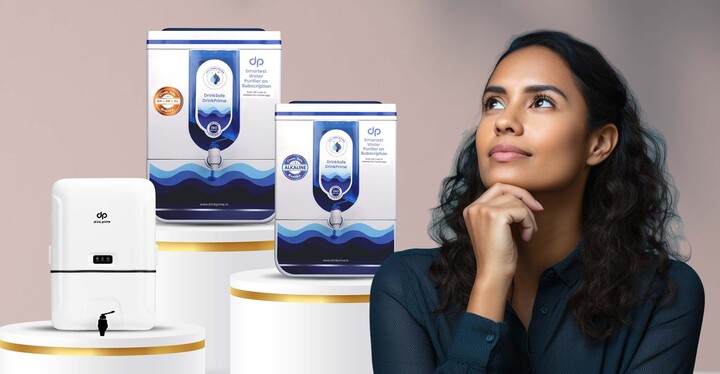
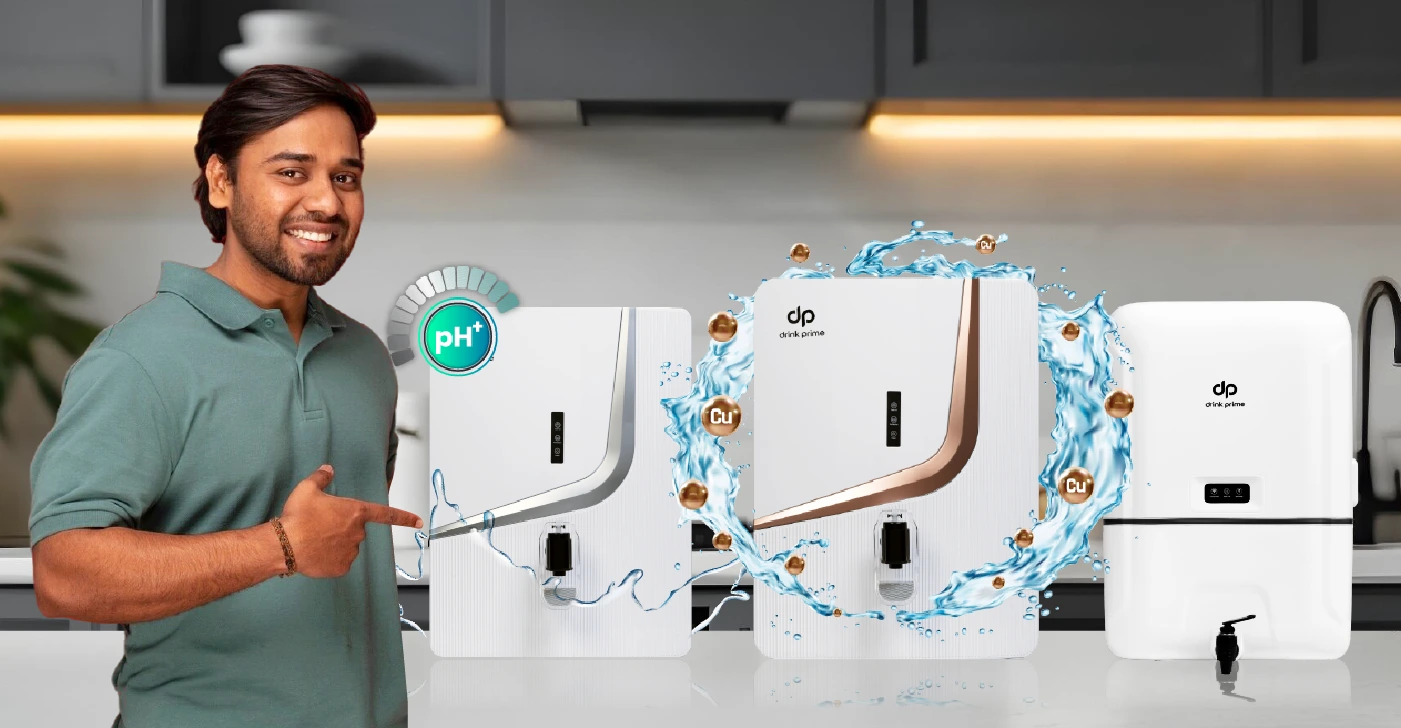
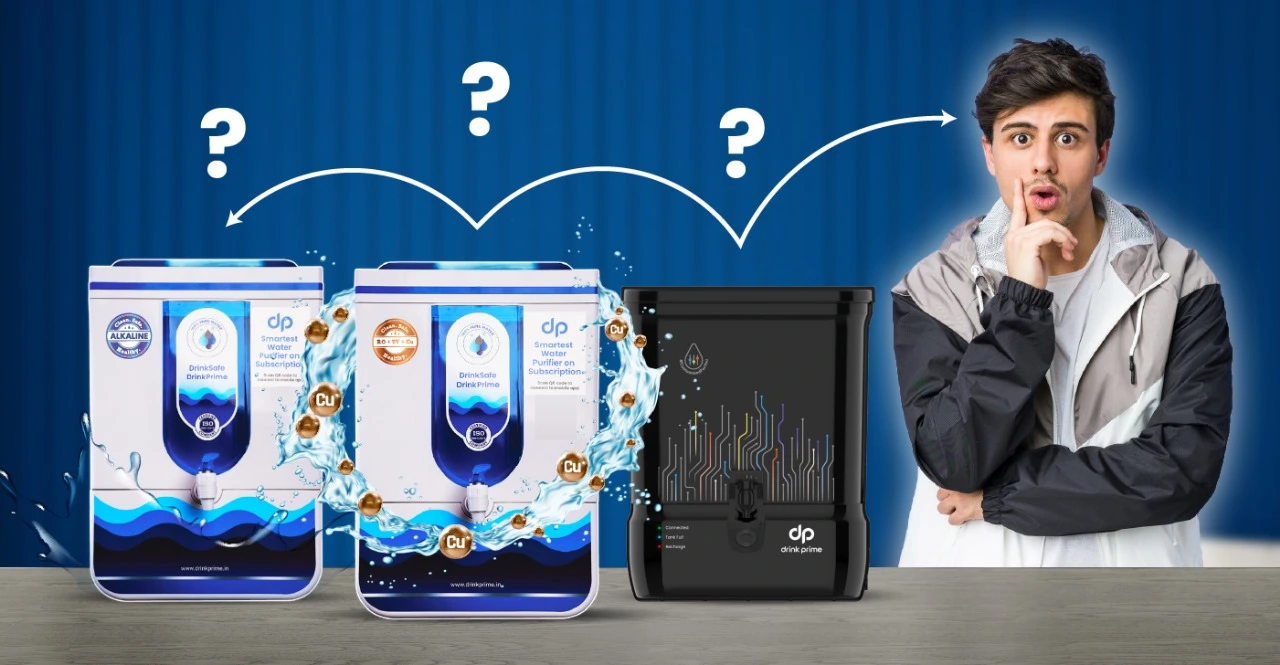
DrinkPrime is designed to give you access to safe, clean, and healthy drinking water consistently, no matter what the season is. DrinkPrime water purifier is engineered to filter out bacteria, viruses, and other contaminants more effectively than any other traditional RO water purifier. Unlike traditional water purifiers, DrinkPrime includes free relocation, maintenance, and filter change by a trained professional, which means that your water system stays at peak no matter what the season is. Besides, certain DrinkPrime offerings come with smart monitoring that keeps track of filter health and water quality, alerting you in real time so there are no surprises.
Summary
In summary, winter may slow down bacterial activity, but it does not remove the risks of contamination in your household water tank. Bacteria can still survive in cold conditions, especially in stagnant water and poorly protected tanks, quietly compromising water quality and putting your family at risk. Moreover, assuming that colder weather automatically means cleaner water can lead to missed maintenance and avoidable health issues as well. Besides, with regular tank cleaning, proper covering, prevention of stagnation, and effective purification are just as important in winter as they are in summer. By combining good tank hygiene with a reliable, modern purification solution, you can ensure that the water you drink and use every day remains clean, safe, and healthy. Additionally, solutions like DrinkPrime, you don’t have to rely on assumptions or any other seasonal myths. Moreover, you get access to safe, clean, and healthy drinking water all year long.
Get 7 Days Risk Free Trial