Water is essential to life, and ensuring it is pure is essential for good health. Total Dissolved Solids (TDS) are crucial in assessing the quality of water and affect the efficiency of water filtration systems. TDS stands for total dissolved matter in water that contains minerals, salts, and organic matter. Though some TDS levels are helpful, very high levels are known to leave a powerful taste, smell, and overall safety impact. Here in this blog, we will find out how TDS levels impact water purification and how it can assist consumers in selecting the appropriate purification systems for their requirements.
What is TDS in Water?
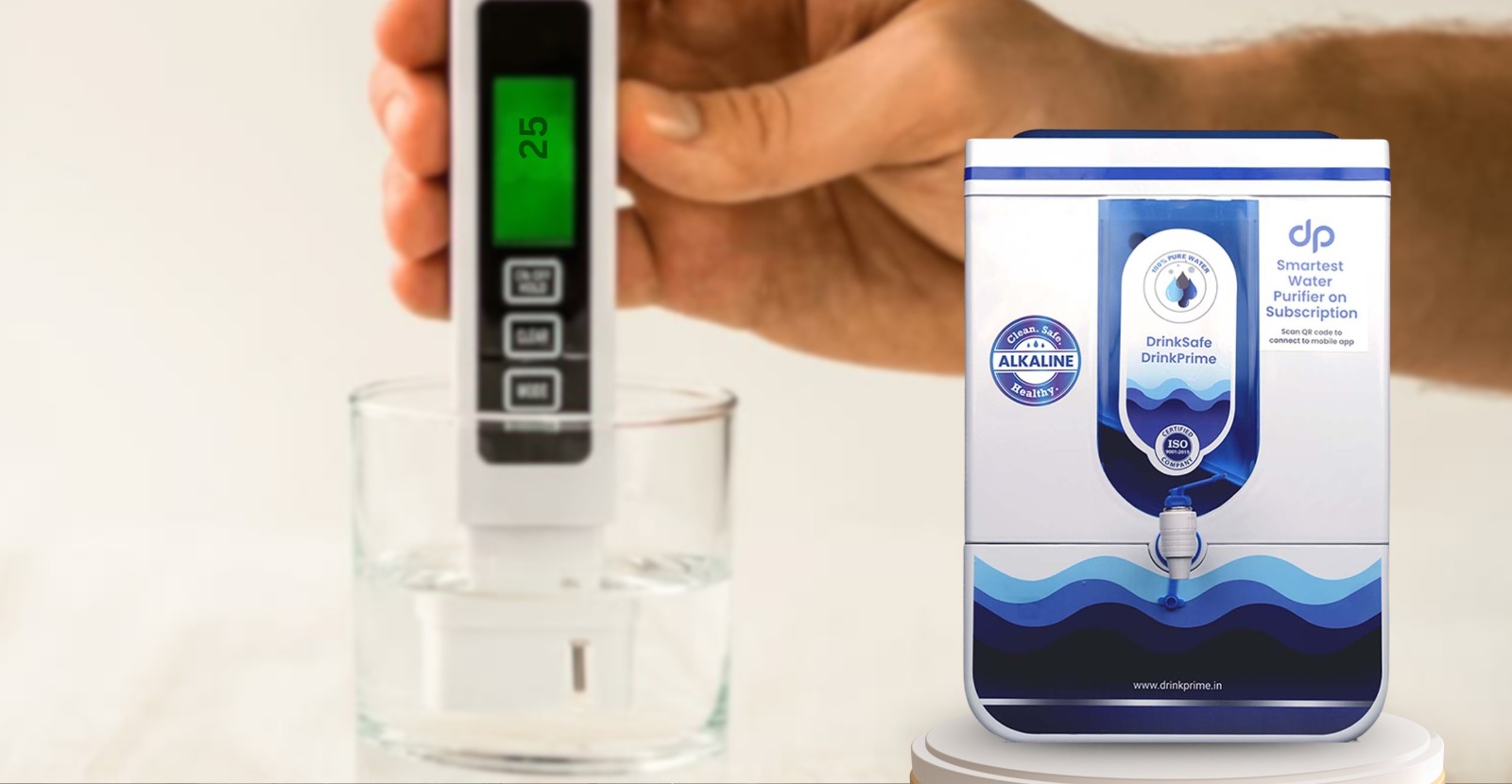
TDS levels, or total dissolved solids in water, are measured in parts per million and comprise both organic and inorganic substances. The primary contributors to TDS in water include calcium, magnesium, sodium, potassium, chlorides, nitrates, and heavy metals like arsenic and lead.
Ideal TDS Levels in Drinking Water
The ideal TDS level of drinking water is:
| TDS | Level Quality of Water |
| 0-200 | Good |
| 201-500 | Fair |
| >500 | Bad |
How TDS Affects Water Filtration Systems
Sometimes, different water filtration systems function differently, which is based on the TDS level in the water. Besides, the performance of these filtration methods can be significantly impacted by the concentration of the TDS levels in drinking water.
RO or Reverse Osmosis System
Reverse Osmosis or RO systems are highly effective in reducing the TDS level in the water by forcing water via a semi-permeable membrane. Additionally, these systems are best suited for water with a TDS level above 300 ppm. Moreover, it removes dissolved solids effectively from water that includes heavy metals and contaminants.
Ultraviolet (UV) Purification
UV purifiers make use of ultraviolet lamps to kill viruses and bacteria but do not effectively remove dissolved solids. These are ideal for low-TDS water sources where microbial contamination is a concern.
Activated Carbon Filters
Such filters primarily remove chlorine, organic compounds and improve the odor and taste of water, but they do not significantly reduce TDS levels. They also work well in conjunction with other filtration methods. Also, it improves taste and removes all the harmful organic substances. However, they are not very effective against high TDS levels, hence making them less suitable as a standalone solution for heavily contaminated water.
Choosing the Right Filtration System Based on TDS Levels
Selecting the appropriate water purifier sometimes depends on the TDS level in your water sources
| TDS | Level Quality of Water |
| 0-200 | Good |
| 201-500 | Fair |
| >500 | Bad |
Common Issues Caused by High TDS in Filtration Systems
Membrane Damage and Scaling
The high TDS water can lead to scaling in RO membranes and pipes, hence reducing the efficiency and lifespan. Additionally, over time, this buildup can clog the system; hence increasing the energy consumption and maintenance costs as well. So, with regular cleaning and pre-treatment methods like anti-scalants can help in solving these issues.
Reduced Filtration Efficiency
Sometimes, filters may clog faster and require more frequent maintenance. As impurities get accumulate, the filtration process slows down, affecting water flow and overall performance. This not only increases the operational costs but also reduces the lifespan of the filters.
Odor and Taste Issues
With a high TDS level in water, it can result in a bitter taste in water, which only some filtration methods can resolve. In addition to the unpleasant taste, it can also leave certain residues in beverages like coffee and tea, altering their flavour. A well-balanced filtration system, including activated carbon and remineralization, can help address these concerns.
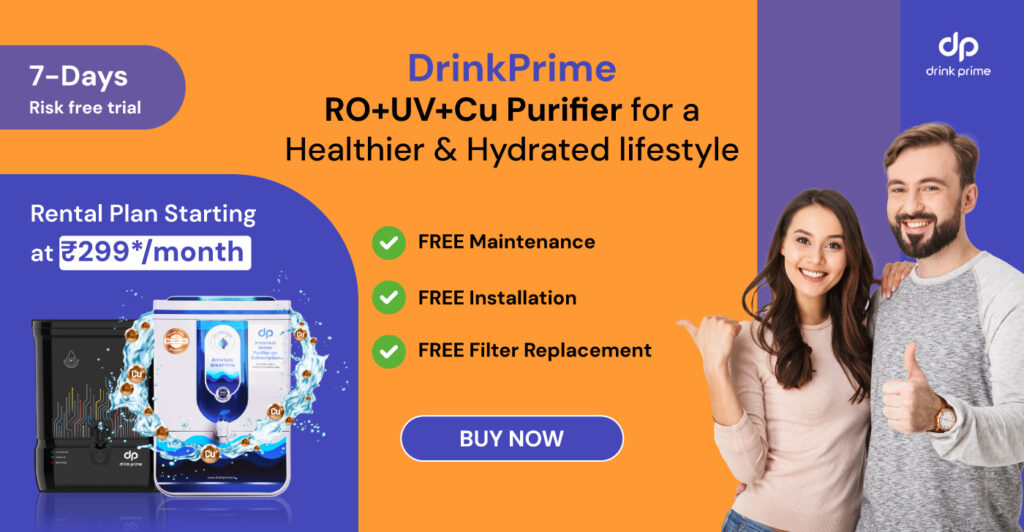
Choose DrinkPrime for Total Dissolved Solids Management
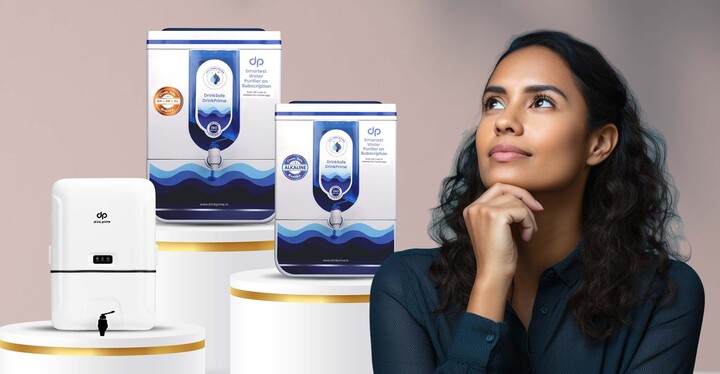
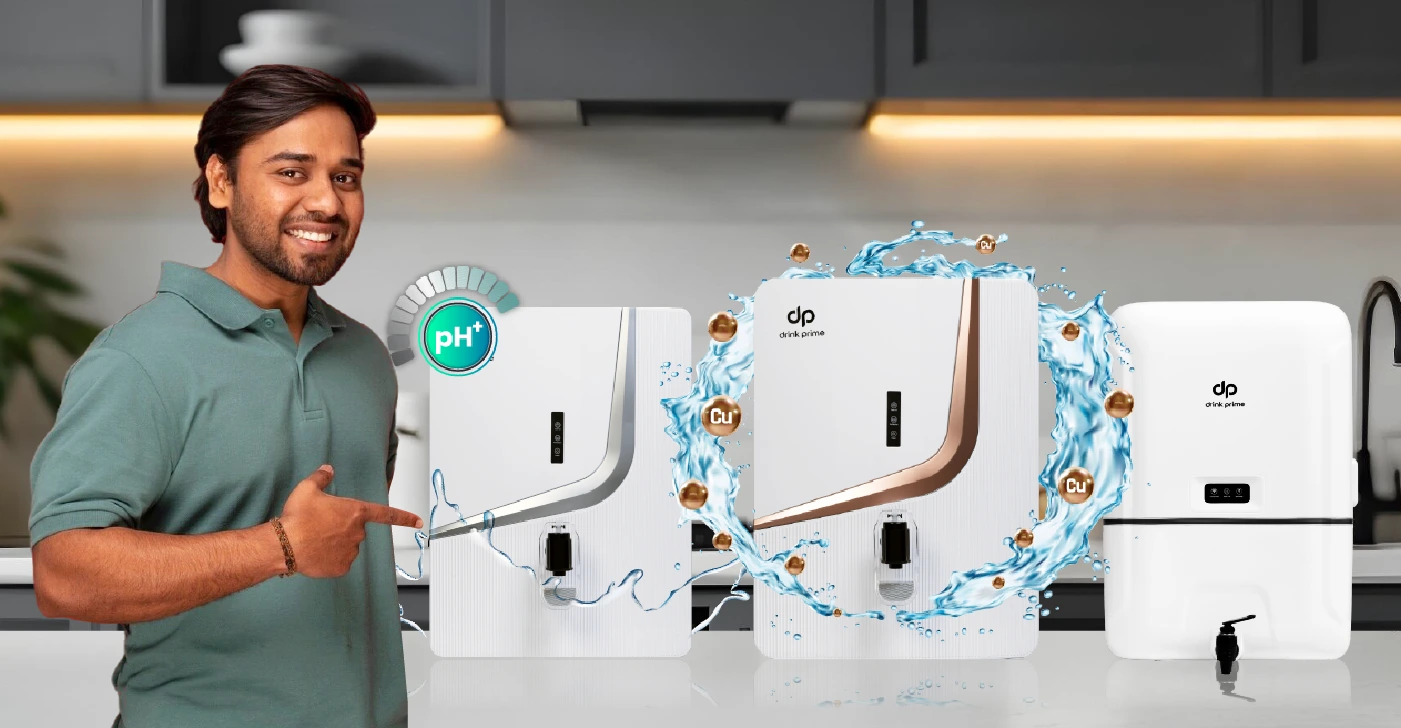
DrinkPrime water purifiers are designed effectively to manage and tackle TDS levels for drinking water, hence making sure that you always have access to safe, clean, and healthy drinking water. With the help of smart filtration technology and automated TDS monitoring, DrinkPrime offers a hassle-free solution that is tailored to your needs.
Get 7 Days Risk Free Trial
Conclusion
In conclusion, knowing the drinking water TDS level is crucial for choosing the proper filtration system to ensure that you are able to enjoy safe, clean, and healthy drinking water. Regardless of whether your water is low or high in TDS, choosing a proper purifier is crucial. With DrinkPrime’s intelligent filtration technology, it actually controls the TDS level in drinking water, thus ensuring clean and healthy drinking water at all times.