So, if you have ever noticed white chalky deposits on taps, brown stains on sinks, or any other strange taste in your drinking water, then you might have wondered what is actually causing it, is it hard water? Is it iron? Or are they both the same thing? This confusion is very common in many Indian households, especially in cities that depend entirely on groundwater or older municipal water pipelines. While hardness and iron often show up together, they are completely different water quality problems, and knowing the difference will help you select the right solution. In this blog, we will break down what each one means, how they affect your home and health, and how modern water solutions will help you stay healthy and protected.

What Is Water Hardness?
Water hardness refers to the amount of magnesium and calcium minerals that are dissolved in water, and these minerals naturally dissolve into groundwater when it flows through rock containing chalk, limestone, or gypsum. Common signs of hard water are white, chalky deposits on taps, showers, and ittles, along with the soap that completely refuses to lather easily. If you notice clothes feeling stiff or rough after washing, and experience dry skin and hair. So, over time, hard water can cause scale buildup inside geysers, washing machines, and kettles. While it is not harmful to drink, hard water can cause damage to appliances and reduce the cleaning efficiency as well.
What Is Iron in Water?
When iron enters the household’s water, it is mainly from corroded old pipes, groundwater with natural iron deposits, or rusting storage tanks. Iron in water typically appears in two main forms: ferrous iron, which looks very clear when it comes out of the tap but turns brown upon exposure to air, and ferric iron, which is already reddish or brownish as it flows from the regular tap. Also, there are some cases in which iron bacteria may also be present, creating slimy, stringy deposits accompanied by an unpleasant smell. Additionally, the common signs of iron contamination include brown, orange, or yellow stains on clothes, a metallic taste, and visible particles or sediments in stored water.
Hardness vs Iron: The Key Differences
| Factor | Hardness | Iron |
| What is it | Hardness generally comprises of calcium and magnesium minerals | Iron deposits comes from soil or rusting pipes |
| Visible Signs | White or Chalky Scale | Brown or Yellow Stains |
| Effects on appliances | Scale buildup in geysers, heaters | Clogging, rust buildup |
| Taste impact | Usually none | Metallic, unpleasant taste |
| Water appearance | Usually clear | Yellow, brown, or orange tint |
Why Hardness and Iron Are Increasing in Many Indian Cities
There are several factors that contribute to rising hardness and iron levels in household water. Most apartments rely heavily on borewells, which naturally contain higher mineral content. At the same time, aging municipal water pipelines tend to corrode over the years, releasing iron into the water supply. Moreover, low rainfall and declining groundwater levels can effectively worsen the problem by concentrating minerals and metals in the water. Additionally, most homes lack a proper water treatment system to manage these issues effectively. As a result, cities like Kolkata frequently experience both high hardness and iron levels in their water supply.
How DrinkPrime Helps Protect Your Home from Iron & Hardness
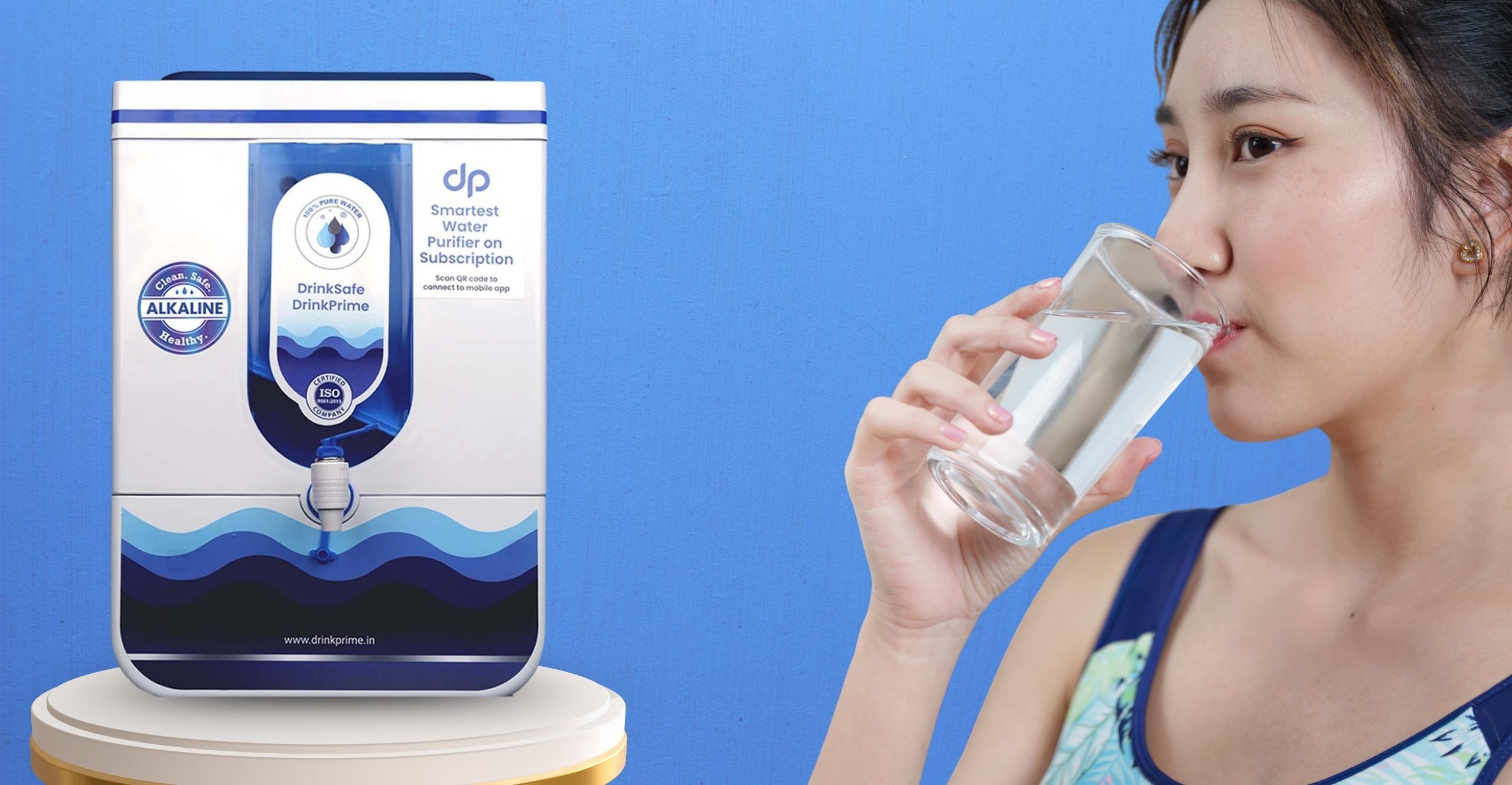
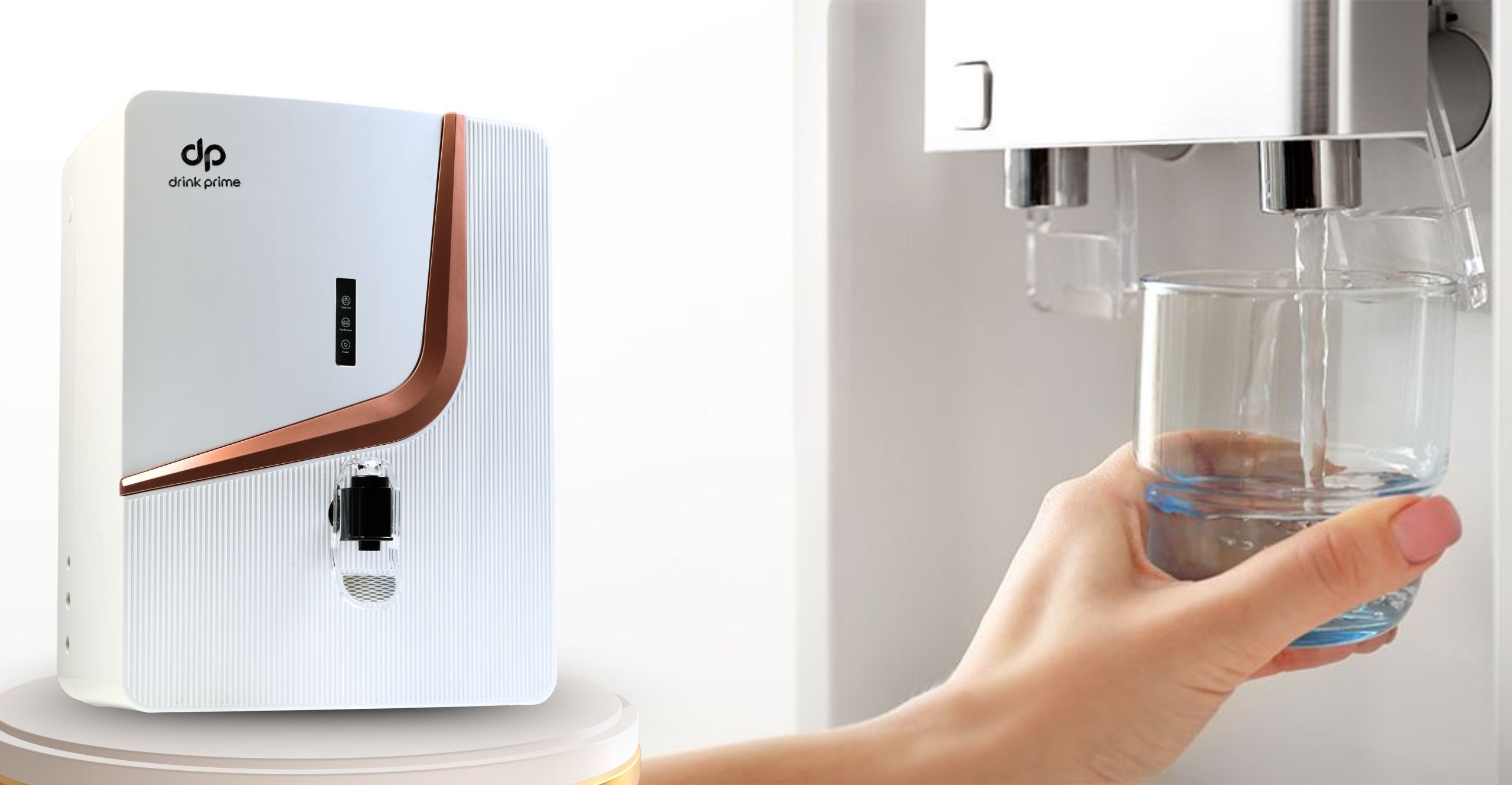
Many traditional RO water purifiers are not designed to handle both hardness and iron effectively, which often leads to frequent clogging, early breakdowns, and high maintenance costs. DrinkPrime, on the other hand, is built specifically for Indian water conditions, tackling all the issues like iron and hardness of the water, sediment, and microbiological contamination with ease. Moreover, its advanced multi-stage filtration system, which includes pre-filtration for sediments, dedicated iron removal technology, activated carbon for taste and odour, and RO + UV purification for complete safety, hence making sure that your water is free from all excess minerals, chemicals, and microbes. DrinkPrime offers a subscription-based model which comprises free filter replacements, free relocation, and maintenance as well.
Summary
In summary, while both hardness and iron contamination in water are common issues faced by many Indian households, they are distinct problems that require tailored solutions. Hard water, characterised by excessive calcium and magnesium, can lead to scale buildup, damaged appliances, and rough skin, but it is generally safe to drink. On the other hand, iron in water, whether from corroded pipes or natural deposits, can affect the taste, appearance and quality of water, and may lead to staining and rust buildup. Also, understanding the difference between these two water quality issues is important for selecting the right solution for your home.
Besides, with factors like aging infrastructure, over-reliance on borewells, and declining groundwater levels exacerbating the problem, modern water solutions are much more necessary than ever. With DrinkPrime, it offers an effective solution to tackle both hardness and iron in water, making sure you get clean and safe drinking water with its advanced multi-stage filtration system. By investing in the right water treatment system, you can protect your home, appliances, and health from the harmful effects of hard water and iron contamination.
Get 7 Days Risk Free Trial