Clean drinking water is not just a basic need of any human being, as it is a health essential. But with rising concerns about water contamination in metro cities, many households are investing in advanced purification technologies like UV (Ultraviolet) and UF (Ultrafiltration) systems. But one question remains the same, among users and buyers, that is, does temperature affect the performance of UV or UF water purification? In this blog, we will break down how these technologies work and how temperature affects UV or UF water purification.
Understanding UV and UF Water Purification
1. Ultraviolet Purification or UV
The Ultraviolet Purification or UV makes use of ultraviolet light to disinfect water, as these UV rays penetrate the DNA of microorganisms like bacteria, viruses, and protozoa, which destroys their ability to reproduce and cause infection. UV systems don’t add chemicals or change the complete taste of water, as they simply make microbial pathogens harmless.
2. Ultrafiltration Purification or UF
UF systems are physical filters with very fine membranes that are usually 0.01 micron or less, and these membranes trap all the suspended particles, bacteria, and many pathogens, which allows only clean water to pass through them effectively. Unlike UV, UF physically removes all the contaminants rather than inactivating them.
Does Temperature Affect UV Water Purification?
1. Temperature and UV Light Itself
The ultraviolet light produced by a UV lamp is not inherently affected by the temperature of the water, and with certain UV radiation, it works within a specific wavelength range, which is typically around 254nm, and that inactivates microorganisms, and this doesn’t change significantly with the temperature of the water.
2. Temperature and Water Clarity
With temperature, it doesn’t directly change the intensity of UV light, but it can effectively influence the quality of water. Warm water often carries more dissolved organic matter and sediment, especially in open or stagnant water sources. Since UV purification effectiveness depends on how well light penetrates the water, increased turbidity caused by temperature-related factors can reduce system efficiency. That’s why pre-filtration to remove suspended solids is important before UV treatment.
3. Bio-Growth in Warm Conditions
Higher water temperatures can support faster bacterial growth in storage tanks, pipes, or pre-filters. If these biological layers build up, they can shield microorganisms from UV exposure, reducing disinfection efficiency. With regular maintenance and cleaning, you can prevent such bio-fouling.
4. UV Lamp Performance
With extreme ambient temperatures like very hot or very cold environments, the performance of UV lamps can be affected. Many UV systems are designed to operate within a specific temperature range. If the lamp runs too hot, its output may degrade faster, and if it is too cold, then the lamp may take longer to reach optimal output.
Does Temperature Affect UF Water Purification?
1. UF Membrane and Temperature
Ultrafiltration membranes are used widely, but if the water temperature influences the viscosity and the water becomes thicker or colder, it slows down as it passes through the membrane, and the thinner the water or the warmer it is, the faster the flow, which means cold water lowers the flux and results in a slightly higher energy when needed to push water through. Moreover, with warm water and a higher flow rate, it potentially requires less pressure. Despite such changes in flow, UF has the ability to remove such pathogens and particles to remain largely unchanged as long as membrane integrity is maintained.
2. Temperature and Fouling
Temperature can influence membrane fouling, and this leads to the accumulation of particles or biological matter on the surface of UF. When it comes to warm temperatures, it can accelerate the microbial growth on the membrane, which can necessitate more frequent cleaning. Additionally, on the flip side, very cold water can slow down the natural self-cleaning or backwashing processes in some systems.
3. Physical Limits of UF
Most household UF systems are rated up to a maximum temperature, which is often around 45–50°C, and exceeding this can effectively damage the material of the membrane. Fortunately, tap water rarely reaches such a temperature, so this concern is much more relevant to industrial applications.
Why Choose DrinkPrime?
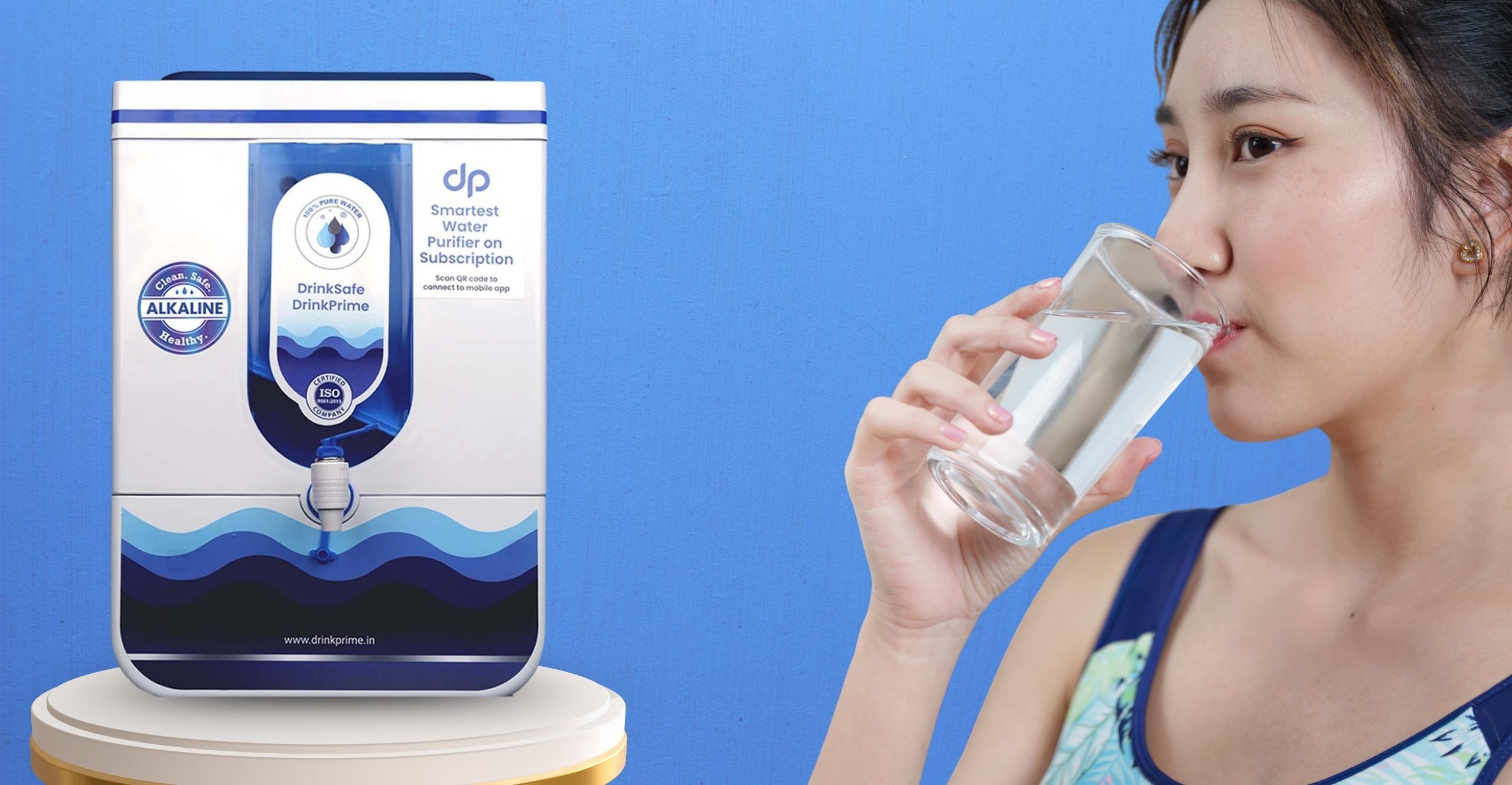
Choosing the UV water purification is important, and it also depends on reliability and ongoing service, as well, and that is where DrinkPrime stands out. DrinkPrime offers advanced water purification systems that integrate multiple technologies like RO and UV, designed to suit the specific water quality in your area, and this multi-layered approach helps in removing a wide range of contaminants, reducing chemical impurities, and effectively removing all the harmful microorganisms. With DrinkPrime, you get access to monitor your filter, track purifier performance, and automatically schedule timely servicing as well. This make sure that uninterrupted, efficient water purification is maintained regardless of any seasonal temperature changes.
Summary
In summary, temperature can influence certain operational aspects of UV and UF water purification systems, like microbial growth, flow rate, and frequency of maintenance as well. But it does not significantly compromise their core ability to purify water when the systems are properly designed, installed, and maintained. UV purification remains effective across a wide range of temperatures as long as water clarity is perfectly maintained, while UF systems continue to deliver consistent filtration despite minor variation in flow that is caused by temperature changes. Additionally, the key is to make sure that safe drinking water lies not just in selecting the right technology, but in selecting the best UV water purifier, which is backed by proactive service and monitoring. Also, with its smart, multi-technology purification solutions and automated maintenance support, DrinkPrime makes sure that there is a consistent performance throughout the year, regardless of any seasonal shifts.
Get 7 Days Risk Free Trial