Most of us don’t directly drink water straight from the tap anymore, because we know better. We have heard and studied enough stories about chemicals, bacteria, and contaminants to avoid them blindly. But here’s the thing: if you use a water purifier today, have you ever stopped and thought about why you need one in the first place? Most of you would say, of course, for the purification purpose, fair enough.
But purification from what exactly? Because the real problem doesn’t just start at your tap, it starts much before that. Before water reaches your home, it travels through several stages: natural sources, treatment plants, underground pipelines, storage tanks, and building systems. And during the long journey, the water quality changes again and again. Even though the water gets treated with the municipal treatment system, and most of us just assume “water is treated by the government, so it should already be safe and clean”, in reality, treatment is just one process.
Water can still pick up rust from ageing pipelines, bacteria from leaks, dirt and sediment from storage tanks, and chemical contaminants and heavy metals along the way.
Honestly, most of this contamination happens after the treatment stage. This is not about scaring you into thinking your tap water is poison; it’s all about understanding what really happens before the water reaches your glass, because once you explore the journey, the need for proper purification starts to make complete sense.
In this blog, we’ll explore how water actually travels before reaching your tap, where contamination can happen along the way, and why having the right purification system at home matters more than most people realise.
Understanding the Journey of Water
Not deeply diving into the water cycle concept here because we must have all read about it in our academic year. Most of the tap water begins its life in natural sources like rivers, lakes, reservoirs, or even underground bore wells.
Sounds so natural and fresh, but it is not really.
These sources are already exposed to industrial waste, agricultural runoffs like pesticides or fertilisers, sewage leakages, and even natural contaminants like heavy metals.
So, right from the start, water is not exactly clean and fresh; it’s just completely raw.
How Water Gets Contaminated Before Reaching You
1. Treatment Plants
Water usually begins its journey from sources like rivers or lakes before it is sent to municipal treatment plants for basic water purification and distribution. At these treatment plants, water goes through several processes, such as sedimentation, where large particles and dirt settle down, filtration to eliminate smaller impurities, and chlorination to kill harmful bacteria and microbes.
But here’s the part that many people don’t realise, treatment is not the final stage of the journey. Because once water leaves the treatment plant, it still has to travel through pipelines, storage systems, and building plumbing before it reaches your tap.
And this is exactly where many water quality issues begin to appear again.
2. Distribution Maze
Once the water is treated, it travels through a huge network of pipelines to reach homes, buildings, and offices. And this is where the water quality gets messy. These pipelines are often corroded, old, cracked, and running alongside sewage lines.
So even if water leaves the plants clean, it can still pick up bacteria, dirt, and sediments. In cities, the risks are even higher because infrastructure is ageing, but demand keeps increasing.
3. Storage Tanks
Before reaching your tap, water usually sits in storage tanks either underground or overhead.
Now ask yourself honestly, when was the last time your building cleaned its water tank?
Such tanks can become breeding grounds for bacteria, algae, dirt, sludge buildup, insects or contaminants. So even if water somehow survived the pipeline journey, storage can undo all of that.
4. Your Internal Plumbing
Finally, water travels through your home’s internal pipes before reaching your tap.
And again, if your tap has poorly-fitted parts, it can effectively introduce contamination, so the water you drink is not just about the source; it’s about everything it passes through.
Even If You Have a Water Purifier, Your Water Journey Still Matters
A lot of you are now assuming that we have a water purifier installed at our place, so we shouldn’t be worried about this, and the problem is completely solved.
The truth is, the quality of water purification also depends on the kind of water entering the purifier in the first place.
If the incoming water already comprises an excess amount of sediments, heavy metals, bacteria, or any other chemical contaminants that get collected during its journey, your water purifier has to work much harder every single day, and due to this, it can affect filter performance, purification efficiency, taste and even the lifespan of the machine gets hindered.
This is exactly why understanding the journey of water matters. Because most water quality issues don’t magically appear inside your purifier. They build up long before the water reaches your kitchen. From ageing pipelines and poorly maintained storage tanks to contaminated plumbing systems, every stage impacts the final water you consume.
That’s also why regular maintenance, timely filter changes, and choosing the right purification technology are important. Many households today are moving towards a water purifier on rent model because it makes maintenance and servicing easier without high upfront costs. At the end of the day, a purifier is your final layer of protection, not the starting point of clean water.
Why Choose DrinkPrime?
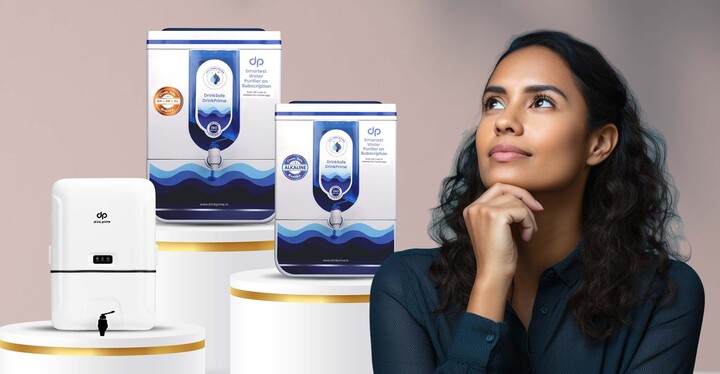
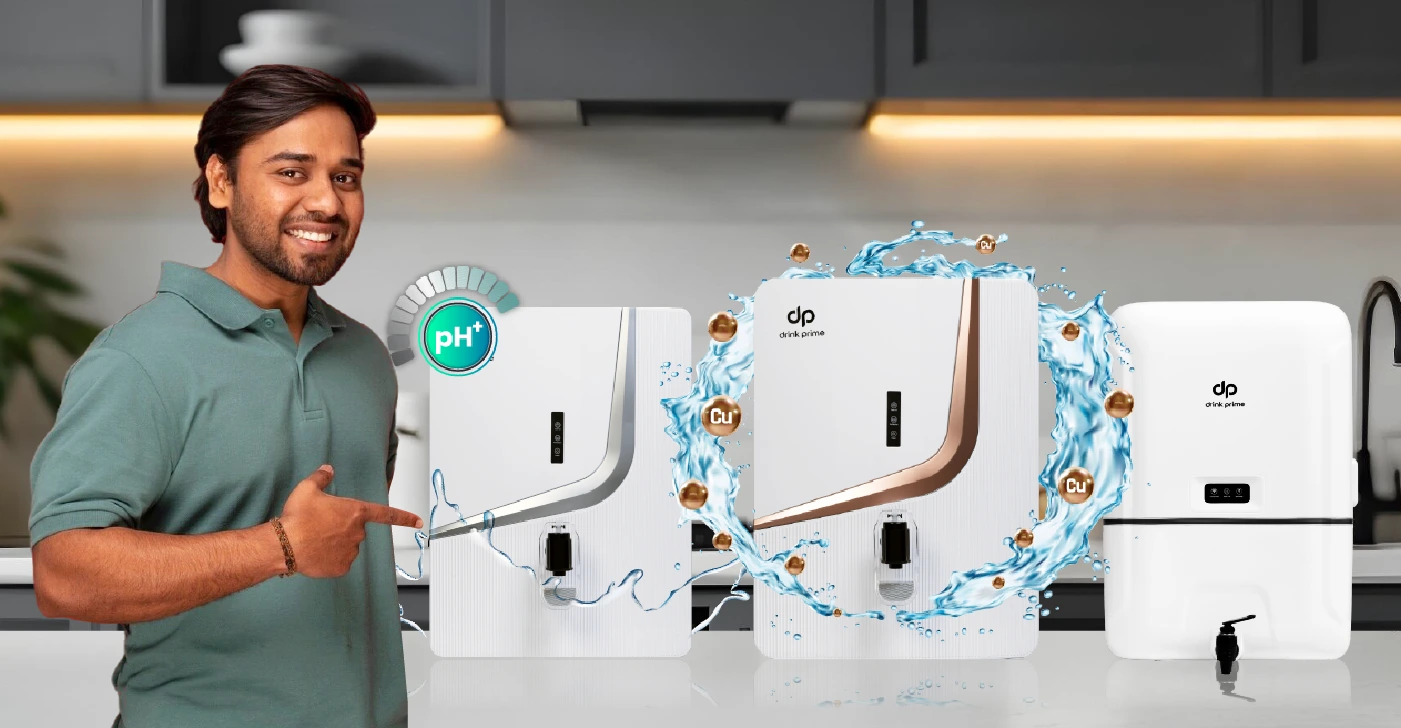
DrinkPrime water purifier makes use of multiple purification technologies like RO, UV lamp, activated carbon filters and adapts based on your local water conditions. Also, it removes contaminants like heavy metals, chemicals, and bacteria, making sure that you get safe, clean and healthy drinking water.
Also, what makes it different is its smart IoT-enabled technology. The purifier continuously monitors things like filter health, water consumption, and purifier performance in real time. This helps identify issues early and makes sure that the timely servicing is done before the water quality is affected.
And since it is a water purifier on rent, you don’t really have to deal with the usual headaches that come with owning a purifier.
Summary
In summary, at the end of the day, the water reaching your tap has already travelled through a long and unpredictable journey. From natural water sources and treatment plants to ageing pipelines, storage tanks, and internal plumbing systems, every stage can effectively impact the water quality you finally consume.
And that’s exactly why water quality issues are still common, even in places where water is treated before distribution. Presently, water purifiers are no longer just an optional appliance in the kitchen; they have become an important and final layer of protection against contaminants that can enter the water long after the treatment is done.
But along with having a purifier, understanding your water source, maintaining the purifier regularly, and choosing the right purification technology also matter equally.
Additionally, solutions like DrinkPrime make this process easier by combining advanced purification technologies with smart IoT-enabled monitoring and a flexible water purifier on rent model. So instead of worrying about servicing, maintenance, or filter replacements, you can focus on what actually matters: having access to safe, clean, and reliable drinking water every single day.
Get 7 Days Risk Free Trial