Have you ever left a plastic water bottle in your car on a hot day and wondered if it is still safe to drink?
Initially, it might seem harmless because it is just drinking water. But the truth is, exposing bottled water to heat can change more than just its temperature. It can impact the quality of water, safety, and even the taste of the water. Are you wondering how?
In this blog, we will explore what really happens when bottled water heats up, and what can be done to prevent it.
What Research says about Plastic Bottles and Heat
Many bottled waters are packaged in plastic containers made from PET, also known as Polythene terephthalate. While PET is generally considered safe for single-use storage, it is not designed to withstand prolonged exposure to high temperatures. When plastic bottles are exposed to sunlight, the material begins to degrade. And this degradation may cause certain chemicals, like antimony and BPA, to leach into the drinking water. Although the amount of these chemicals may be very small, repeated exposure over time can pose potential health risks. Heat accelerates this process, meaning the warmer the bottle gets, the higher the chances of contamination.
What Happens to the Water Inside?
Heat doesn’t just completely affect the plastic-it also changes the water quality of the drinking water. So, when exposed to high temperatures, chemicals from the plastic get leached into the water, potentially affecting the safety. At the same time, warm bottled water often develops an unpleasant taste due to these chemical interactions. If the bottle has already been opened, the situation becomes much more risky, as heat creates an ideal environment for bacterial growth, especially when the water is left sitting for hours. So, even if the water looks clean, it is not as safe and healthy as it seems to be.
Common Situations That Increase Risk
Here are a few everyday scenarios in which you might be unknowingly exposing your bottled water to unsafe conditions:
- Leaving water bottles in your car during the afternoon
- Storing bottled water near windows or balconies with direct sunlight.
- Reusing single-use plastic bottles several times
- Keeping bottles in non-air-conditioned rooms during the summer
Why You Should Be Concerned
Drinking water is important for your health, but the water quality matters as much as the quantity. Additionally, consuming water that has been compromised by heat exposure can lead to long-term exposure to harmful chemicals, reduce the hydration quality due to a change in the water taste, and digestive discomfort.
Simple Tips to Stay Safe
If you are someone who still uses bottled water occasionally, here are some quick tips to minimise the risks:
- Try to avoid leaving bottles in a hot environment
- Store them in a cool, shaded place
- Do not reuse single-use plastic bottles
- Check for changes in taste or smell before drinking
- Opt for insulated or reusable bottles when possible
Why Choose DrinkPrime?
Heat not only affects the plastic but also changes the quality of the water. When exposed to high temperatures, chemicals from the plastic can effectively leach into the water, potentially affecting its safety. At the same time, warm bottled water often develops an unpleasant taste due to these chemical interactions. If the bottled water has already been opened, the situation becomes riskier, as heat creates an ideal environment for bacterial growth, especially when the water is left for hours. So, even if the water appears clean, it is not as safe or refreshing as it seems.
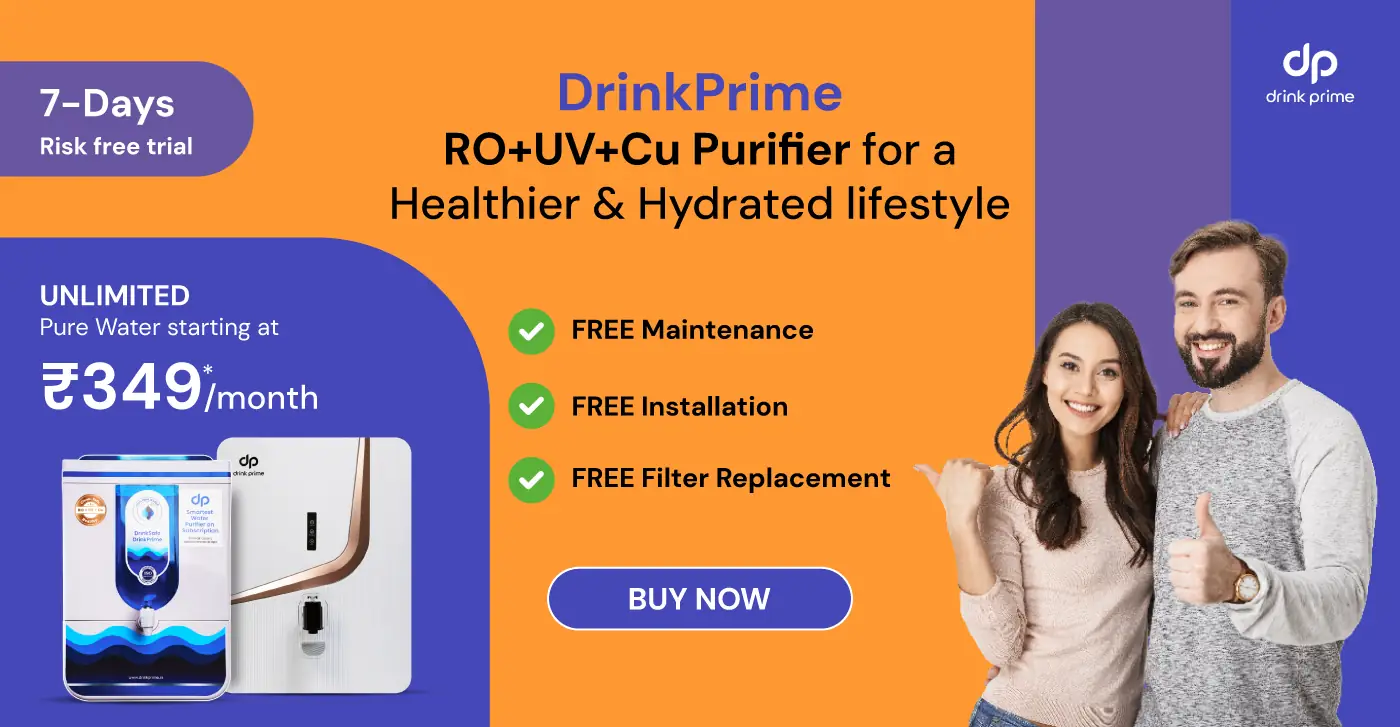
This is where investing in an advanced water purifier makes a real difference. Instead of relying on bottled drinking water that may be exposed to heat, DrinkPrime offers safe filtered water at home using advanced multi-stage purification. DrinkPrime makes use of IoT-based monitoring that allows you to track water quality, filter health, and usage in real time, making sure that you always get safe, healthy, and clean drinking water. Additionally, DrinkPrime offers a flexible subscription model with no heavy upfront cost, free maintenance, and easy servicing, making it a practical and reliable alternative to bottled water.
Summary
In summary, while bottled water may seem like a safe option, exposure to heat can compromise the quality, safety, and taste of the water. From chemical leaching to the risks of bacterial growth, the effect of high temperatures on plastic bottles is not something to ignore. Besides, simple habits like avoiding heat exposure and not reusing single-use bottles can make a difference, but for a more reliable and long-term solution, shifting to safer alternatives is key. Moreover, choosing a trusted water purification system makes sure that the water you drink remains clean, fresh, and safe, without the hidden risks associated with heat-exposed plastic bottles.
Get 7 Days Risk Free Trial