Summer is the season when the water purifier works the hardest, and with the rising temperatures, increasing the consumption of water, and fluctuating water quality, the RO water purifier goes through significantly more stress than usual. So, if you have ever wondered whether your RO filters need more frequent maintenance or replacement during summer, then the answer is yes, and in many cases, they require it. In this blog, we will understand why summer impacts your RO water purifier and how often you should ideally change the filter.

Why Summer Affects RO Filter Performance
During summer, water demand increases across Indian households and cities, and many municipal supply lines often face pressure fluctuation, tanker usage rises, and stored water sits longer in the overhead tanks. All of this can effectively impact the quality of water. Moreover, at the same time, chlorine levels may fluctuate as municipalities adjust dosing to control bacteria, and there are some regions where TDS levels can vary due to changing water sources or tanker supply. When your RO purifier processes water under these conditions, its filters tend to clog faster, and the membrane has to work harder, accelerating overall wear and tear.
Standard RO Filter Replacement Timeline
Under normal conditions, many RO components majorly follow a predictable replacement cycle. The sediment filter typically lasts around 6-9 months, while the carbon filter functions efficiently for about 6-12 months. Since the RO membrane is the core water purification element, it usually has a longer lifespan of 2-3 years. But when it comes to a post-carbon or polishing filter, which is responsible for improving odour or taste, it generally needs to be replaced once every 12 months. But, during summer, increased consumption of water and fluctuating water quality can shorten these timelines, hence causing the filter to wear out faster than usual.
How Often Should RO Filters Be Changed in Summer?
1. Sediment Filter
In summer, sediment often gets loaded on and often increases due to the pipeline disturbance and tanker water usage. The sediment filter is the first line of defence, and if it gets clogged, it reduces pressure and affects the overall performance. So, if you notice a reduction in water flow, visible discolouration, and unusual noise from the pump, then it is a sign that your RO water filter needs to be replaced.
2. Carbon Filter
The carbon filter plays an important role in removing chlorine and organic impurities from water, making sure that you get better-tasting and odour-free water. During the summer season, municipalities may increase chlorine dosing to control overall microbial growth in the supply system. This higher chlorine load can effectively cause the carbon filter to get exhausted much more quickly than usual, so if you notice a change in the taste or smell of your water, it is a clear sign that the carbon filter needs replacement.
3. RO Membrane
The RO membrane (Reverse Osmosis membrane) removes dissolved solids and heavy metals from water. While it does not require seasonal replacement, heavy usage during summer can shorten its lifespan if it is not properly maintained. If you notice that the water flow rate has significantly slowed down, you should replace the RO membrane immediately.
4. Post Carbon / Taste Enhancer
This final stage ensures fresh taste. If you notice a flat or stale taste during summer, it may need to be replaced early.
Why Timely Filter Replacement Is Critical in Summer
Delaying filter replacement can impact the RO system’s performance and the quality of water as well. An overused filter can reduce the purification efficiency, forcing the system to consume more electricity and putting additional strain on the RO pump. As the filter gets clogged and loses effectiveness, the risks of microbial contamination increase, often resulting in unpleasant odour and taste. Most importantly, during summer, your body is more vulnerable to dehydration and infections. If water quality is compromised, it can elevate the risk of waterborne diseases, making timely maintenance even more critical.
Why Consider DrinkPrime?
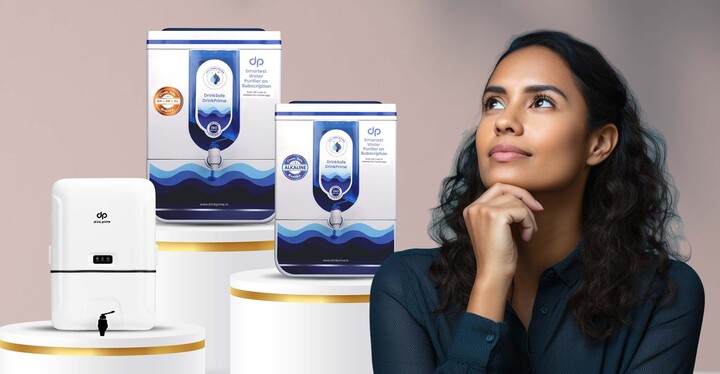
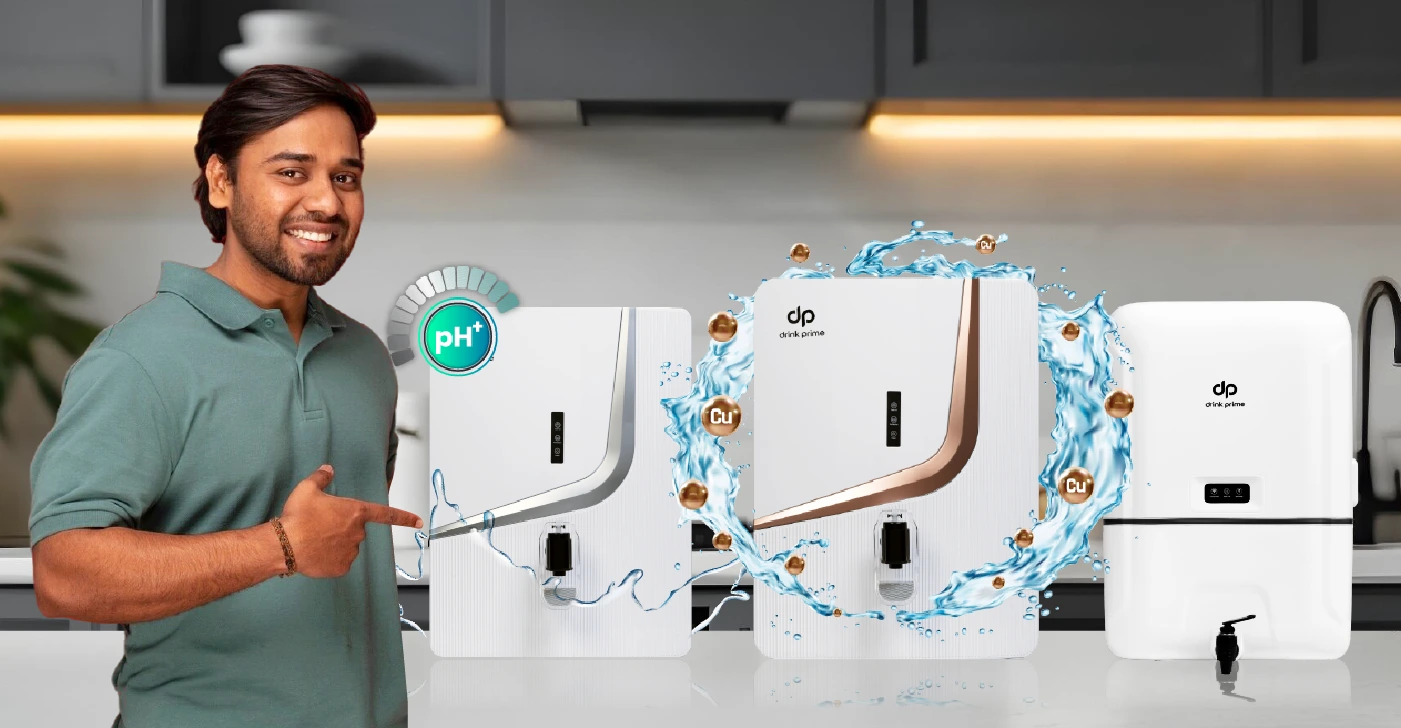
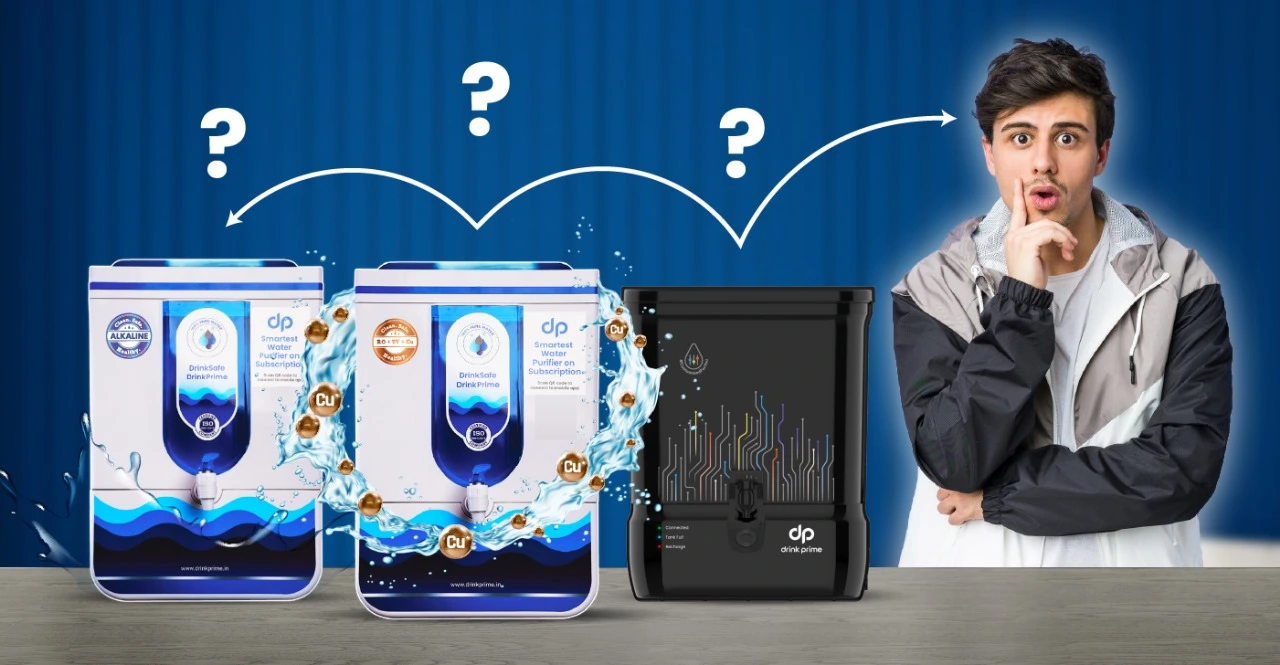
DrinkPrime offers a subscription-based model with proactive servicing and filter replacements included. So, instead of worrying about when to change filters, their system analyses usage and water quality to make sure that it is timely maintained.
Here is how it helps during summer:
Automatic filter replacement when it is needed
Regular preventive servicing
Real-time monitoring of purifier health
No large upfront investment
Flexible plans depending on water quality (RO+, Copper, Alkaline options)
Because summer demand increases service load across cities, having a system that schedules maintenance proactively reduces the risk of purifier downtime.
Summary
In summary, the summer season is not just tough on your body, but it is equally demanding on your RO water filter maintenance purifier. Additionally, with rising temperatures, higher water consumption, fluctuating chlorine levels, and tanker dependence, all of this puts additional pressure on the filter and membranes. What might normally last several months can wear out much sooner during peak summer conditions. Additionally, ignoring timely filter replacement can reduce the purification efficiency, increase electricity usage, strain internal components, and, more importantly, compromise the safety and taste of your drinking water.
Since summer is also the season when the risks of dehydration and waterborne infection increase, making sure that there is an optimal performance becomes much more critical. Additionally, the key takeaway is very simple: opt for proactive maintenance because it is always better than reactive repairs. Whether you manually track the service schedule or opt for a managed subscription model like DrinkPrime that completely handles analysing and timely filter replacements for you, staying ahead of maintenance makes sure that you get access to safe, clean, and healthy drinking water all summer long.
Get 7 Days Risk Free Trial