Chennai, as we all know, it’s one of India’s fastest-growing metropolitan cities, and also, known for its coastal charm, rich cultural heritage, and expanding urban landscape, but with all these rapid developments, city still faces a major issue with drinking water quality. For millions of households across the city, access to clean drinking water and safe water is constant. From contaminated tap water to irregular supply and dependence on several water sources, Chennai’s water challenges are complex and ever-changing.
In this blog, we will explore why Chennai’s water quality is so different from the rest of the cities, the factors that influence what flows into your tap water, and why relying on advanced water purification is important.

Understanding Chennai’s Tap Water Quality
Chennai has one of the lowest per capita water availability among major Indian cities. Its surface and groundwater resources are completely under stress because of rapid urbanisation, climate change, and infrastructure gaps as well. Most of the city’s drinking water comes from a combination of large reservoir systems, desalination plants, and groundwater extraction, each with its own water quality profile.
When it comes to municipal water, it gets treated before distribution, and the quality often deteriorates during distribution due to ageing pipelines, leaks, and contamination from other external sources like sewage and runoff.
Why Tap Water Can Be Contaminated
There are several factors that completely make Chennai’s tap water unpredictable, and at times, it is unsafe for direct consumption:
1. Sewage Intrusion and Pipeline Leakage
There are many of Chennai’s underground water pipes that are decades old. As they get corroded, they effectively develop leaks and cracks, which can allow nearby sewage or waste to seep into the drinking water line. This has been witnessed as a major source of contamination in several areas, especially in older zones of Chennai.
2. Microbial Contamination
There are studies that have shown the presence of coliform bacteria like E.Coli in water samples that were taken from taps across the city. These microbes originate from sewage contamination and can likely cause water-borne illnesses like typhoid and diarrhoea.
3. Distribution Issues and Several Variable Treatment
Even though the municipal board chlorinates and treats water to meet safety standards, the water often gets contaminated after treatment due to poor infrastructure. Moreover, in low-lying areas and neighbourhoods with frequent pressure drops, such issues get much worse.
What are the Other Water Quality Challenges Chennai’s Resident Face?
In addition to contamination of water, Chennai’s water quality issues have a high amount of Total Dissolved Solids, which means that it comprises larger amounts of dissolved minerals and salts. This can produce a metallic taste or salty taste in the water, making the water unsuitable for drinking without any proper treatment. Additionally, high TDS water can affect appliances, skin, and hair conditions, and at times can lead to scale build-up in geysers, water purifiers, and other fixtures, shortening appliance lifespan and increasing the maintenance costs as well.
Also, Chennai often experiences intermittent water supply, especially in suburbs and new residential areas as well. Many households receive piped water only on specific days or hours, forcing Chennai’s residents to store water in overhead tanks, or at times, rely on private water tankers. But these tanker supplies are often unregulated, expensive, and no guarantee of quality.
What Every Household Should Know
Chennai residents should be mindful of the quality of water they consume every day. Tap water should not automatically be considered safe for drinking, even if the water has been treated at the source, as contamination can likely occur since the water travels through damaged pipelines before reaching home. Similarly, storing untreated water in underground or overhead tanks does not make it a much safer option, as stagnant water can effectively become a breeding ground for bacteria and other microorganisms. So, to safeguard health, it is important to rely on or invest in a reliable water purification system that can effectively remove all the bacteria, viruses, and excess amount of dissolved solids.
Why Choose DrinkPrime
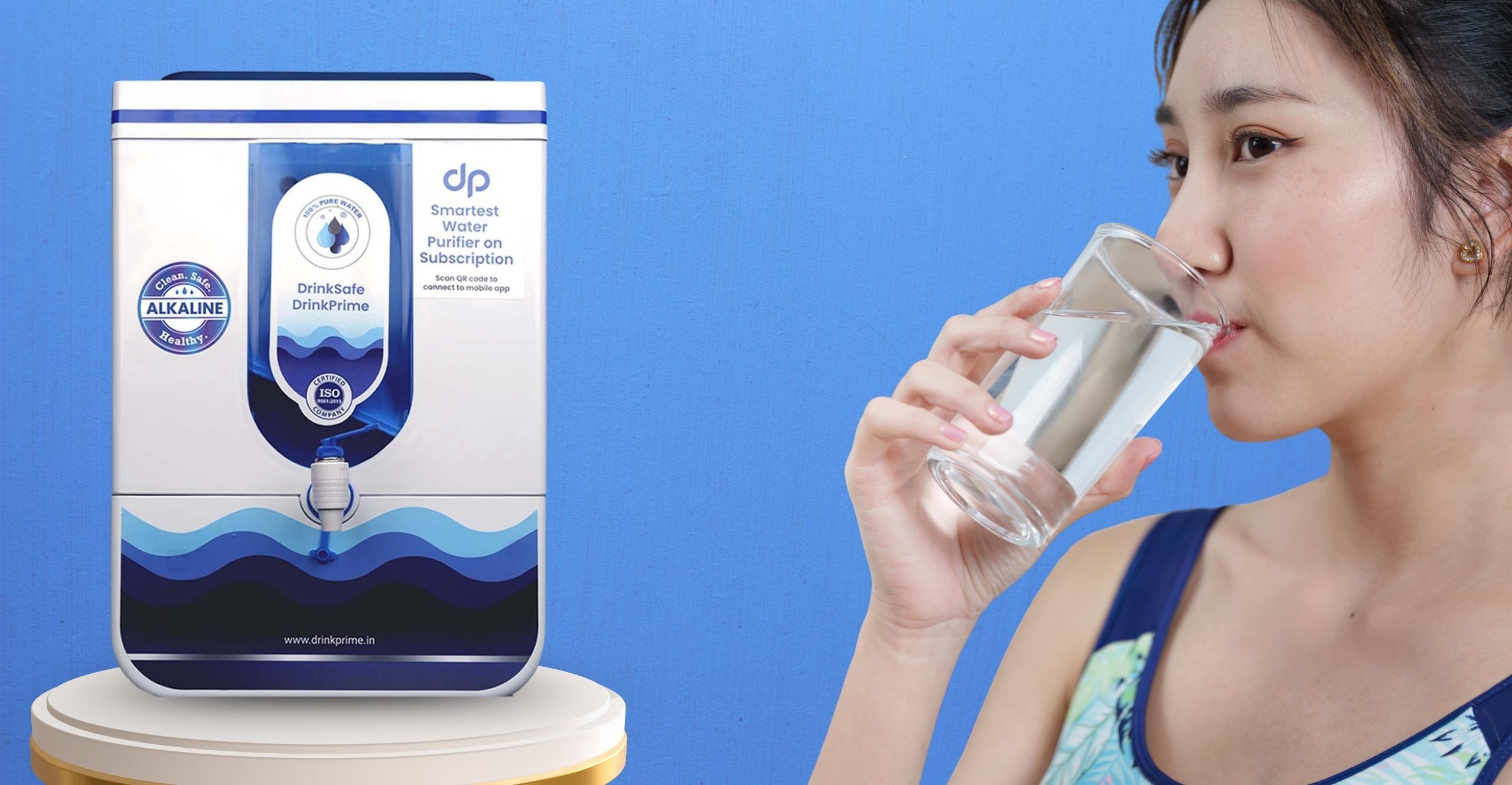
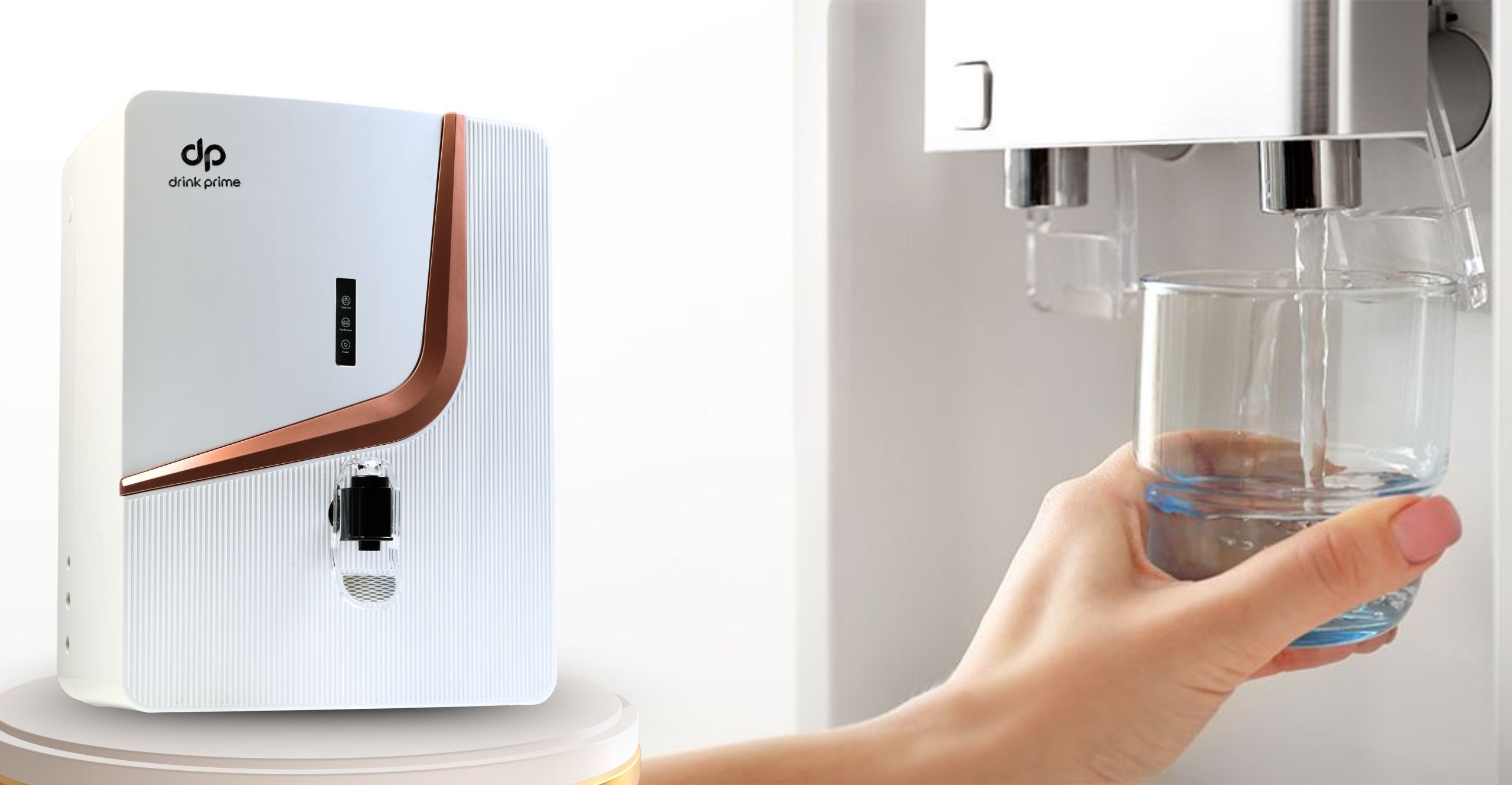
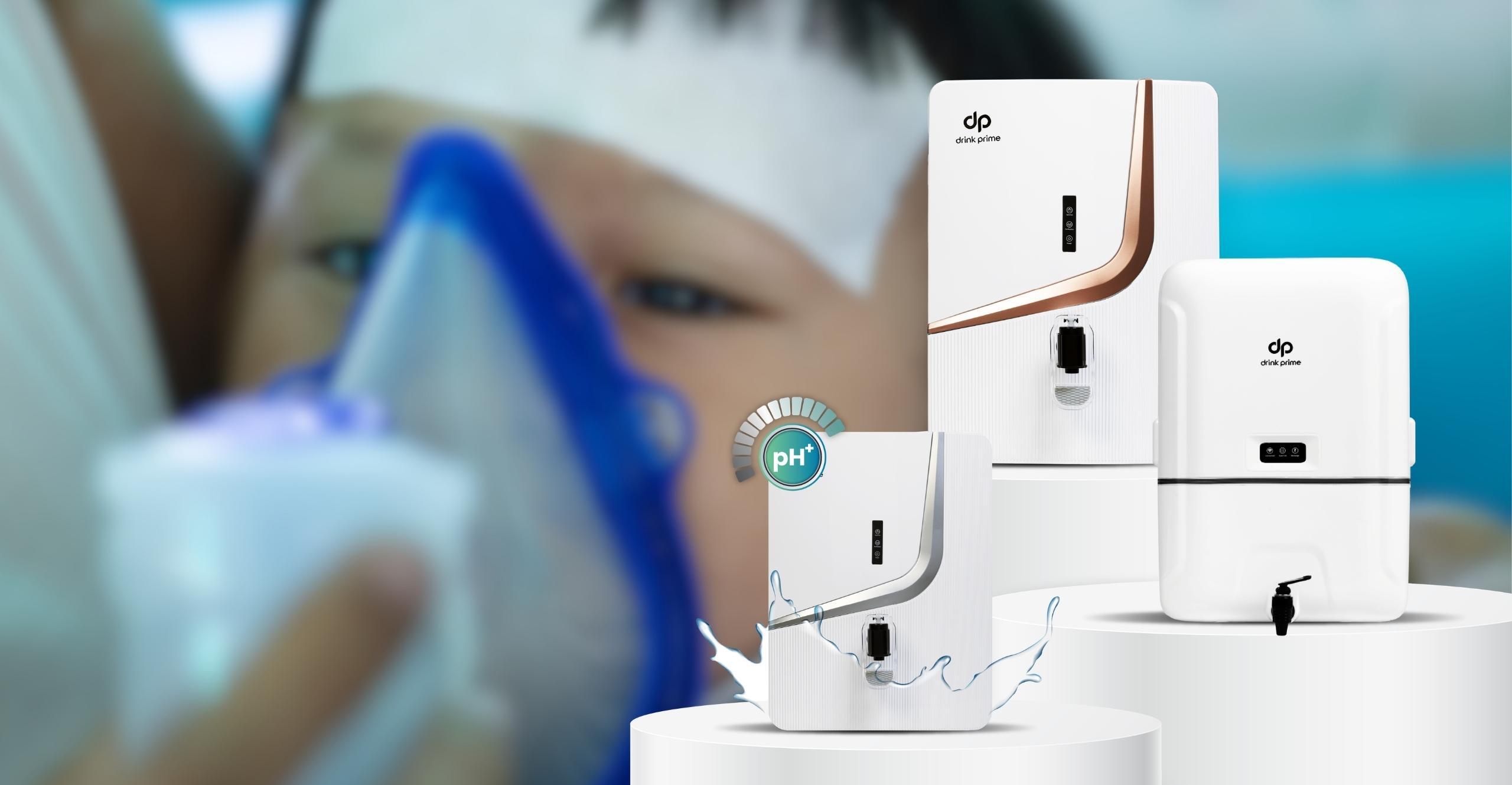
Given the condition of Chennai’s water quality, many households are now opting for an advanced water purification system. One of the ideal choices is DrinkPrime, an IoT-enabled, subscription-based model that is designed for urban homes.DrinkPrime water purifier makes use of several stages of filtration, which include RO and activated carbon to remove all the microbes, dissolved solids, and contaminants that municipal water systems and borewells often carry. Moreover, DrinkPrime water purifiers come with IoT-connected so that you can get real-time monitoring of water quality and filter health, so that you can track performance via an app and receive alerts when service or filter changes are required. Unlike traditional RO systems, which can be expensive to buy and install, DrinkPrime uses a subscription-based model, so you pay a monthly fee, and the service covers maintenance, installation, and replacements.
Summary
In summary, Chennai’s water quality is shaped by a complex mix of supply, constraints, aging infrastructure, high TDS levels, and contamination risks. While the municipal supply does its part, conditions in the distribution system can undermine water safety by the time it reaches taps. As a result, households cannot rely on untreated tap water for drinking or cooking.
Besides, investing in an effective advanced water purification method is a necessity for health, and also gives peace of mind. Additionally, a subscription-based model like DrinkPrime offers an advanced approach by combining the latest filtration technology with smart monitoring that is tailored for Chennai’s water quality conditions.
Get 7 Days Risk Free Trial