Water is essential for life, but it becomes a carrier of dangerous pathogens when contaminated. Across the world, millions of people suffer from waterborne diseases every year due to unsafe or contaminated drinking water, poor sanitation, and inadequate hygiene practices. It is imperative to understand such diseases and learn how to prevent them for maintaining good health and well-being.
In this blog, we will understand what waterborne disease and what are and how to prevent them to maintain good health.
What Are Waterborne Diseases?
Waterborne diseases are illnesses that are caused by microorganisms like bacteria, viruses, and parasites that are often get transmitted through contaminated water. These pathogens often enter water sources via human and animal waste, industrial discharge, or improper waste management. And when people consume or come into contact with such contaminated water, they are at risk of infection.
Common Waterborne Diseases
There are some of the most common waterborne diseases, such as typhoid fever, dysentery, cholera, hepatitis A, and giardiasis.
Cholera is caused by the bacterium Vibrio cholerae, and it can lead to severe diarrhoea and dehydration, and sometimes it can become a life-threatening issue if it is not treated properly. On the other hand, typhoid fever is caused by Salmonella typhi, and it is spread through contaminated food and water and results in prolonged fever, weakness, and abdominal pain.
Dysentery is caused by parasites or bacteria, which leads to inflammation of the intestines and severe diarrhoea with mucus or blood. On the other hand, Hepatitis A is a viral infection that affects the liver and spreads through ingestion of contaminated food or water. Giardiasis, caused by the parasite Giardia lamblia, leads to digestive discomfort, diarrhea, and fatigue.
Causes and Risk Factors
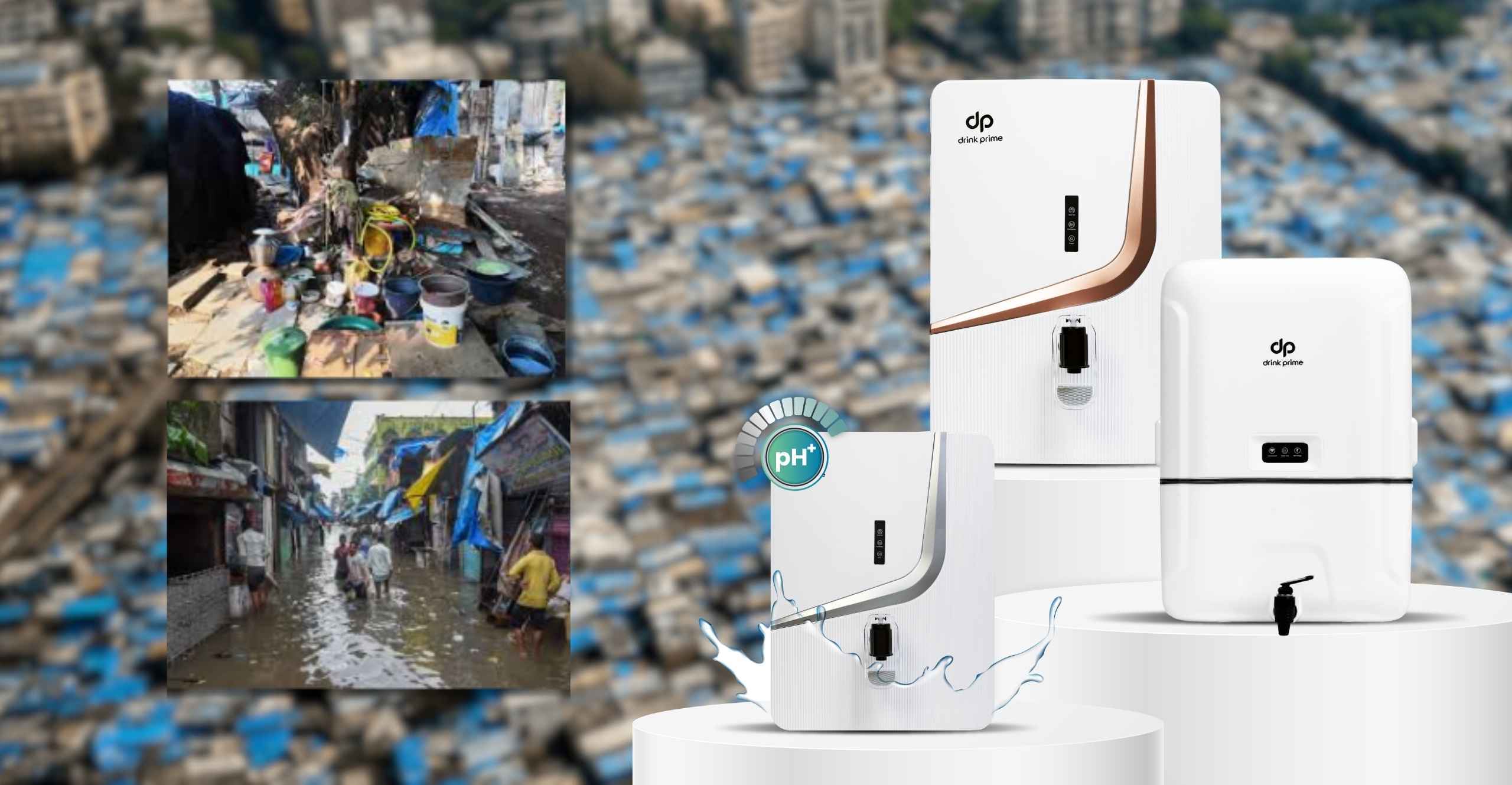
The primary cause of waterborne diseases is the consumption of contaminated water. Poor sanitation systems, open defecation, inadequate sewage treatment, and lack of clean drinking water infrastructure significantly increase the risk.
In many developing regions, rapid urbanisation and population growth can effectively strain existing water systems, hence making contamination worse. Natural disasters like floods can also contaminate water supplies by mixing sewage with drinking water. Additionally, a lack of awareness about hygiene practices, like not washing hands before eating or after using the toilet, can contribute to the spread of these diseases.
Symptoms
Symptoms of waterborne diseases can effectively depend on the specific infection, but commonly include diarrhea, vomiting, abdominal cramps, fever, and dehydration. In severe cases, individuals may experience organ failure, weakness, or even death. Moreover, children, the elderly, and individuals with weakened immune systems are particularly vulnerable.
Also, early detection and treatment are important. Oral rehydration solution or ORS, antibiotics (if prescribed by the doctor), and proper medical care are important because it can reduce the complications.
Effective Ways to Prevent Waterborne Diseases
1. Ensure Safe Drinking Water
Always make sure to consume safe, clean and healthy drinking water. Boiling water is one of the simplest methods to kill harmful microorganisms. Alternatively, making use of water purification systems that can effectively eliminate contaminants and make safe for consumption.
2. Use Reliable Water Purifiers
Most of the modern water purifiers are designed to remove bacteria, viruses, and other harmful chemicals. Brands like DrinkPrime offer smart water purifier solutions to make sure that you get access to safe, clean, and healthy drinking water without any high upfront costs of purchasing a water purchasing the water purifier.
3. Practice Good Hygiene
Washing hands with soap and water before eating, after using the toilet, and after handling waste is one of the most effective ways to prevent infections. Moreover, personal hygiene plays an important role in stopping the spread of pathogens.
4. Improve Sanitation Facilities
Proper sanitation systems, including toilets and sewage treatment plants, help prevent contamination of water sources. Avoiding open defecation and ensuring proper disposal of waste are vital steps.
Why Choose DrinkPrime
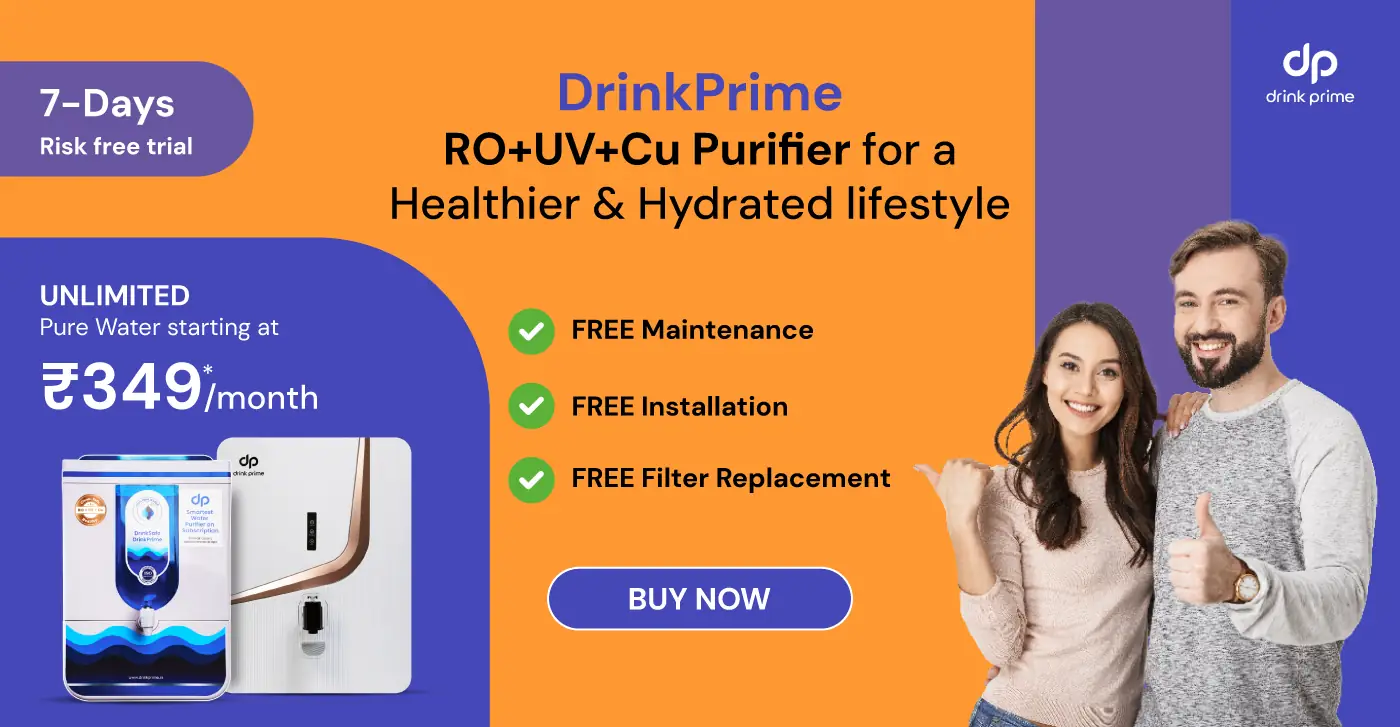
DrinkPrime offers IoT-enabled water purifiers that monitor water quality and usage, making sure that you get timely maintenance and consistent performance. DrinkPrime offers a subscription model which makes high-quality water purification accessible to a wider range of audience, which includes students, renters, and young families who may not want the commitment or cost of ownership. Another key merit is the use of smart IoT technology. DrinkPrime purifiers are designed to continuously track water quality and filter performance. This means that users don’t have to guess when a filter needs to be changed or worry about declining purification efficiency. The system can automatically alert for maintenance or even trigger service requests, ensuring that the water you consume is always safe and clean.
Get 7 Days Risk Free Trial
Conclusion
In conclusion, waterborne diseases are a major health concern, but they can be prevented with safe drinking water, proper hygiene, and improved sanitation. Besides, simple habits like using clean water and washing hands can go a long way in reducing risks. Moreover, a solution like DrinkPrime is an ideal choice because it provides affordable, smart water purifiers on rent that make sure that there is consistent access to safe drinking water.