Most of us grew up hearing the advice, ” If you are unsure about the water, just boil it. Boiling water has been a trusted source of making water safer to consume. Moreover, by heating water to its boiling point, harmful microorganisms like bacteria and viruses can be removed.
But presently, the water quality challenges have become more complex. From chemical pollutants to dissolved impurities, boiling water doesn’t solve problems. But this helps in certain situations; relying on it as your primary source of purification methods has several limitations.
In this blog, we will explore why boiling water may not always be enough and what better alternatives are available today.
Why Boling Water is Not Necessary
1. Boiling Does Not Remove Chemical Contaminants
One of the biggest drawbacks of boiling water is that it only kills microorganisms; it does not remove chemical contaminants. In many regions, water may contain harmful substances like pesticides, industrial chemicals, heavy metals like arsenic and lead, or dissolved salts. So, when you boil water, these chemicals remain in the water, and in some cases, boiling can even increase the concentration of certain contaminants because the water evaporates while the impurities stay behind in the water. This completely means that even though the water may be free from bacteria, it may still contain harmful chemicals. Additionally, modern purification systems, especially those using advanced filtration technologies, can remove both biological and chemical contaminants effectively.
2. Ineffective Against Dissolved Impurities
Boiling water cannot eliminate dissolved solids like magnesium or calcium. These substances affect the quality and taste of drinking water, and in excessive amounts, can pose health risks. For example, hard water contains high levels of minerals that boiling cannot remove; as a result, the water may still taste unpleasant or leave mineral deposits on appliances.
3. Time-Consuming Process
Boiling water requires effort and time, and you need to heat the water until it reaches a rolling boil and keep it boiling for several minutes to make sure that most pathogens are destroyed.
After that, the water must cool down before it can be safely consumed. Moreover, this entire process takes 20-30 minutes or more, which may not be practical for a busy household that requires clean and healthy drinking water throughout the day. Additionally, if large quantities of water are needed if boiling the water is necessary.
4. Higher Energy Consumption
Boiling water needs a heat source like gas or electricity. So, doing this multiple times a day can lead to increased energy consumption and higher utility bills. In several areas, where electricity or cooking fuel is expensive, boiling water regularly can become costly. Moreover, this can impact the environment as well, but water purification systems, on the other hand, are designed to be energy-efficient and offer a more sustainable solution in the long run.
5. Not a Practical Long-term Solution
While boiling water can be useful during emergencies or when travelling in areas with unsafe water, it is not a major practical solution for everyday use. The effort, time, and energy that goes into boiling water make it inconvenient for modern lifestyles. As urban water sources become increasingly polluted, households need more reliable and comprehensive purification methods.
Why Choose DrinkPrime?
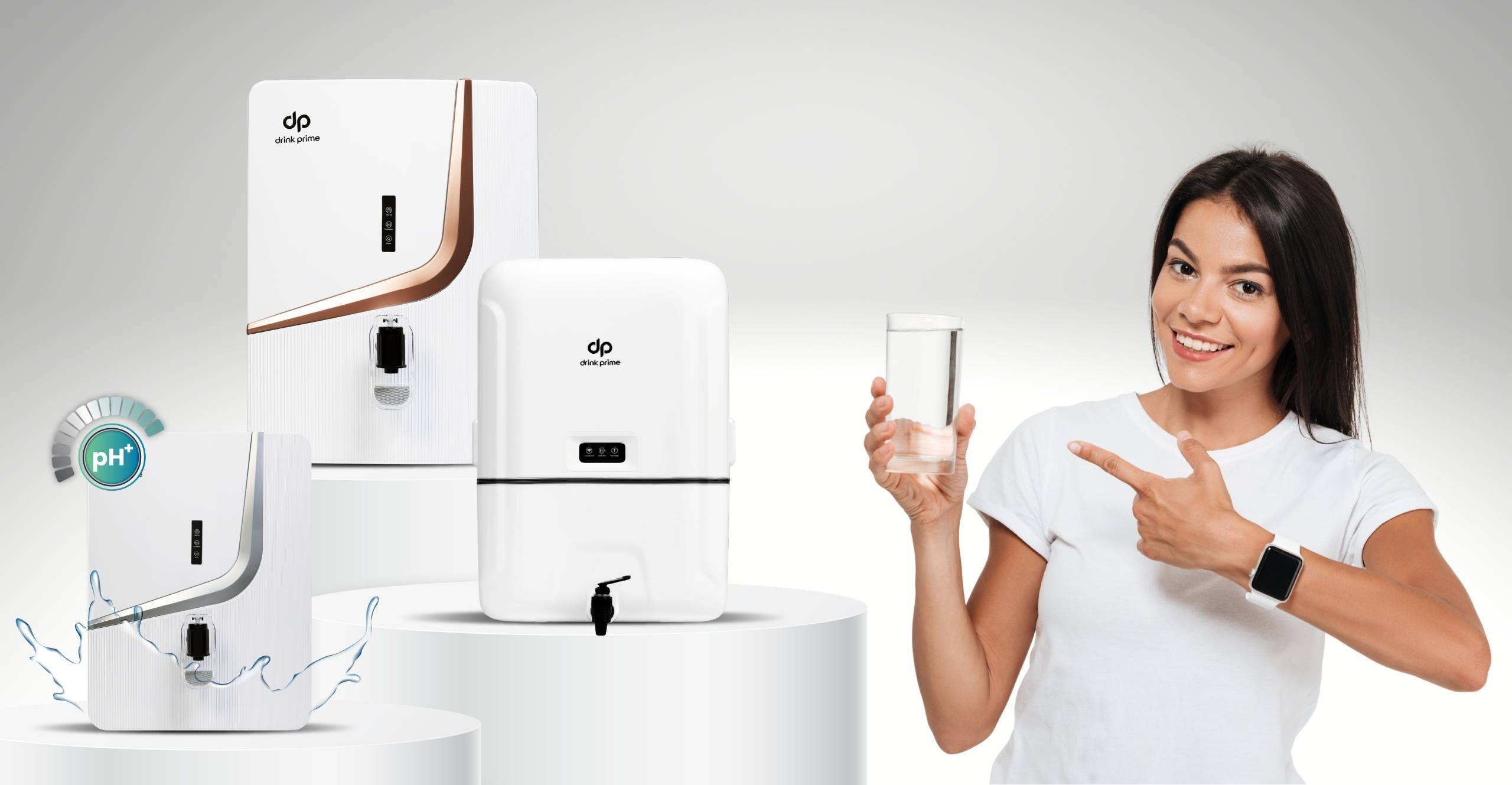
DrinkPrime offers a smart alternative to the traditional purification method, as DrinkPrime provides smart water purifiers that make use of advanced filtration technology to remove bacteria, viruses, and other impurities. Also, DrinkPrime offers a subscription-based model that allows households to access safe drinking water without the high upfront cost of purchasing a water purifier. Additionally, these systems are equipped with IoT-enabled monitoring that tracks water quality and filter performance, ensuring that users always get clean and safe drinking water.
Summary
In summary, while boiling water is no longer considered a simple way to make drinking water safe, it is not a complete purification method. When it comes to boiling water, it can kill certain bacteria and viruses, but it cannot remove chemical contaminants, dissolved impurities, or improve the taste and odour of water. The process is also time-consuming, energy-consuming, and not always practical for daily use in modern Indian households.
Besides, brands like DrinkPrime offer smart water purifiers with advanced filtration technology and a convenient subscription model, which makes it easier for households to access safe and clean drinking water.
Get 7 Days Risk Free Trial