Chennai, the vibrant capital of Tamil Nadu, is one of India’s most dynamic urban centres. But beyond the city’s bustling IT hubs, cultural landmarks, and thriving industries lies a chronic and often overlooked water scarcity and the over-reliance on tanker water for daily needs, especially for drinking and household purposes. Besides being a major metropolitan area, there are large parts of Chennai that still face irregular municipal water supply, forcing residents to buy water from private tankers. This overall dependency has profound implications for public health, economic equity, and overall quality of life in the city. In this blog, we will understand why Chennai’s residents depend on tanker water and why investing in a water purification system is needed.
Why Do Chennai Residents Depend on Tanker Water?
Much of Chennai’s water infrastructure struggles to match the city’s expanding population and changing climate patterns. Moreover, areas like OMR, Tambaram, and other parts of Pallavarm regularly receive a limited piped water supply, sometimes just a few days a week. Additionally, this forces households to store water in overhead tanks or turn to private water tankers to meet their basic requirements.
Additionally, in Tambaram alone, there is a daily deficit of nearly 50 million litres of water, and roughly 25% of residential areas lack piped water connections, hence making tanker deliveries an important lifeline.
Also, in certain parts of the city with piped connections, inconsistent water pressure, aged pipelines, and interrupted supply push residents to supplement their needs with tanker water. Additionally, municipal authorities like Chennai Metrowater have increased prices for pre-booked tanker services to align with overall market rates, hence making water even more costly for families who completely depend on regular deliveries.
Is Tanker Water Safe?
A major issue with the private tanker ecosystem is the lack of robust regulation or quality oversight, and unlike treated municipal water, even if it is imperfect, private tankers generally source water from unknown or unverified sources, such as abandoned borewells or groundwater reserves with no treatment. Additionally, in fact, there are reports from past investigations that revealed several cases where tanker operators draw water from contaminated places, even sites where human remains were found and supply it to residents without any safety checks. Additionally, this absence of standardised quality checks means that Chennai families are often entirely unaware of what they are drinking. Also, borewell water in some parts of the city may have high salt content and higher TDS levels, hence making it unsuitable for direct consumption.
Health Risks of Consuming Untreated or Contaminated Water
Consuming unsafe water, whether from tanker supply, untreated borewells, or any contaminated mains, completely exposes communities to a range of health hazards:
1. Waterborne Diseases
Most of the contaminated water often carries pathogens, which include E.coli, coliform bacteria, and other diseases as well, that can cause microbes, and are linked to gastrointestinal infections like dysentery, typhoid, and cholera.
2. Chemical and Mineral Risks
High levels of TDS, heavy metals, and dissolved salts can cause metabolic disorders, affect kidney function over a prolonged exposure, and can effectively contribute to cardiovascular issues and thyroid issues.
3. Skin and Eye Irritations
If you are using contaminated water for bathing and washrooms, it can lead to skin rashes, irritation, and eye infection problems that are often normalised in communities where clean water is a luxury.
4. Undernourishment and Long-Term Health Effects
Children, the elderly and immunocompromised individuals are vulnerable, and long-term exposure to contaminated water in growing cities can effectively contribute to chronic infections and weakened immune response.
Understanding the Economic Cost of Tanker Water
Beyond health, dependency on a tanker can create a heavy financial burden. Additionally, tanker bills can add up quickly; families might spend thousands of rupees monthly just to meet the basic water needs. In some parts of Chennai, private tankers can cost several thousand rupees for a 12,000-litre delivery, and this cost doesn’t guarantee safe, drinkable water.
Why Choose DrinkPrime
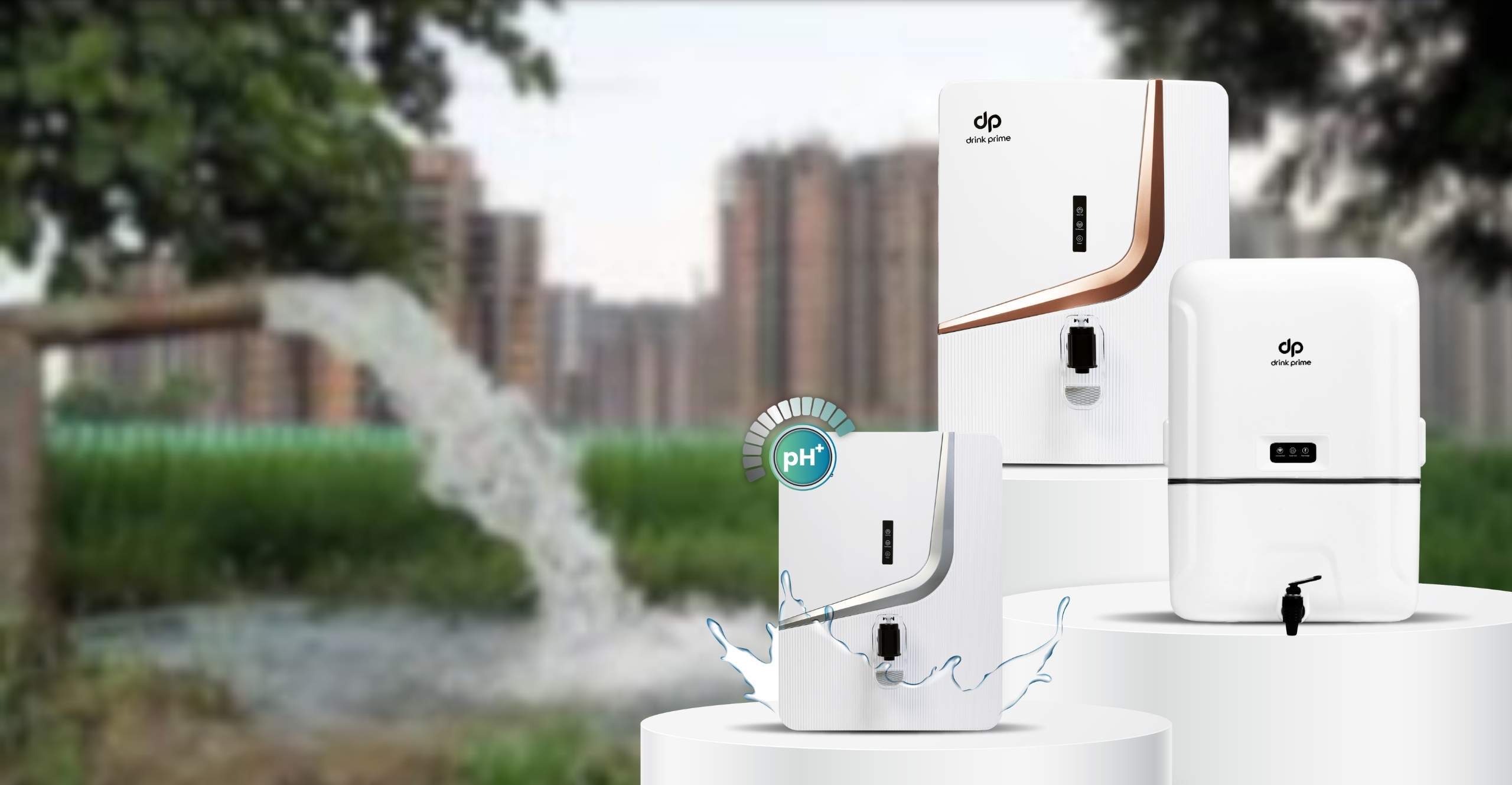
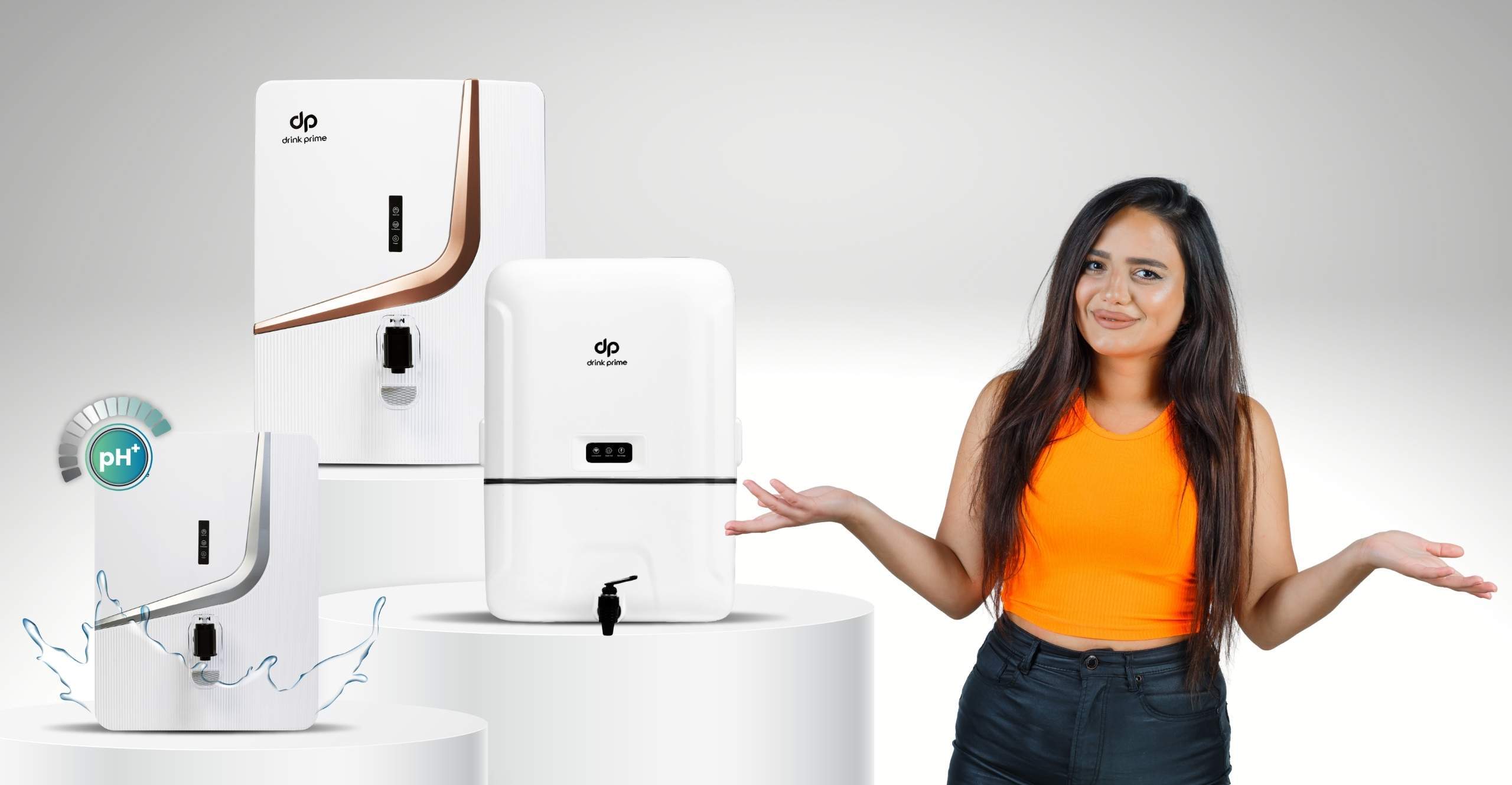
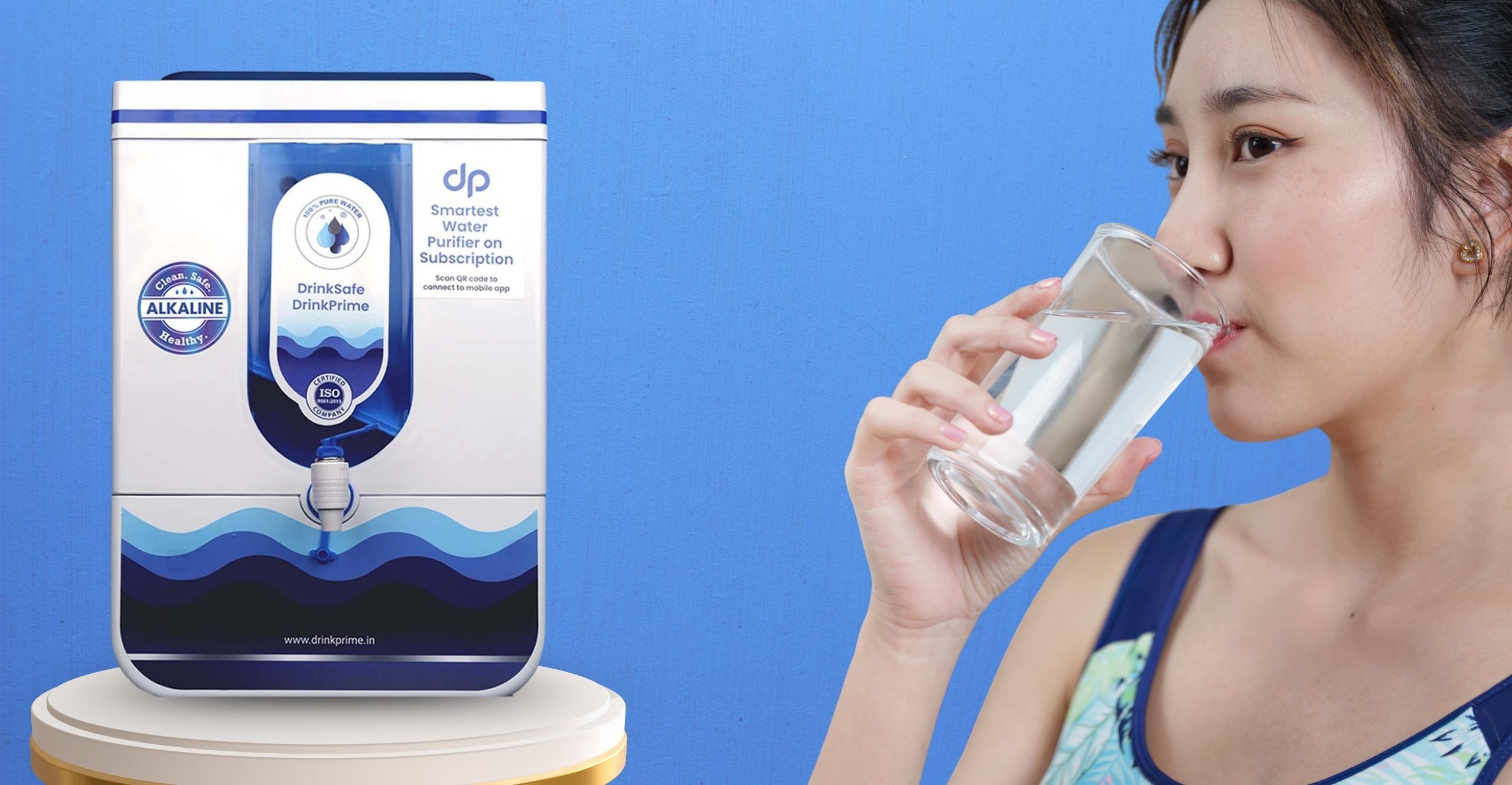
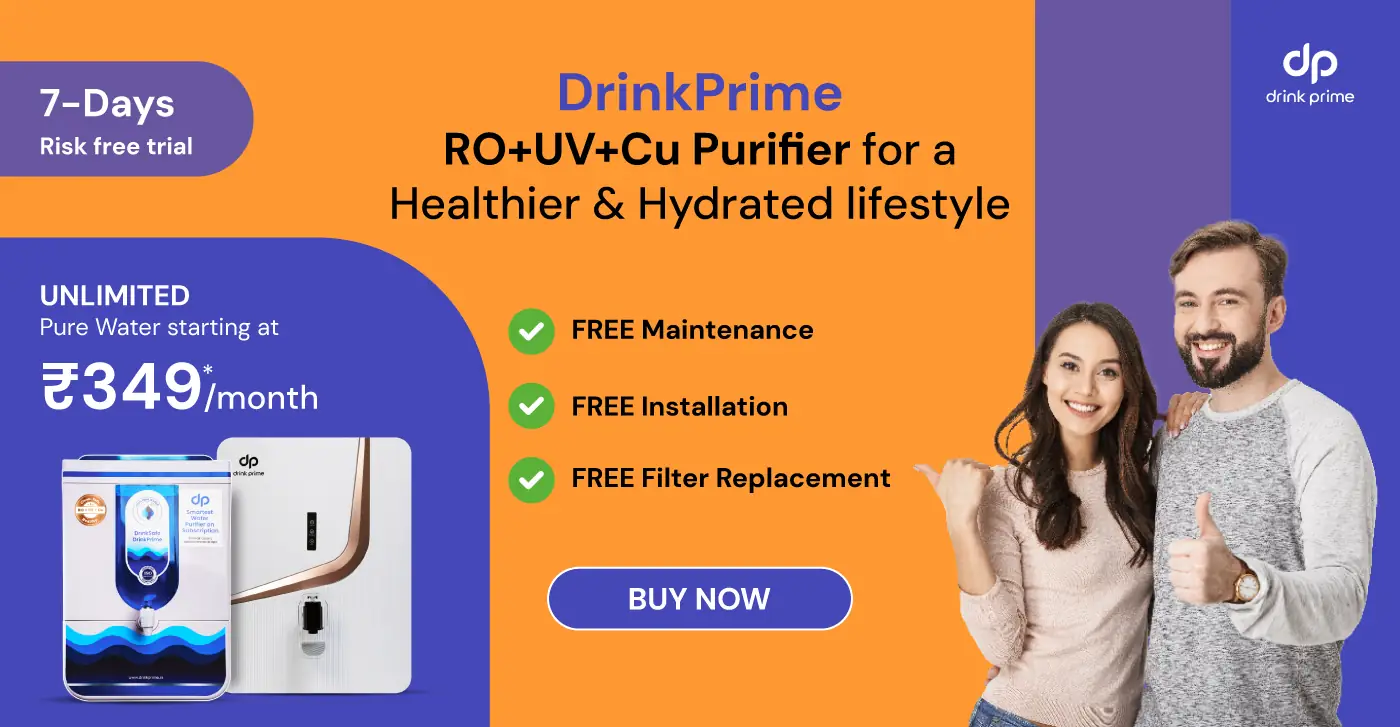
To reduce the overall economic impacts of tanker dependency, many Indian households are now switching to advanced water technology. This includes strengthening municipal distribution networks, expanding piped water infrastructure, and making sure that quality-controlled water sources. DrinkPrime offers IoT-enabled water purifiers on a subscription-based model, removing the additional upfront costs of traditional systems and providing multi-stage filtration to deliver safe, clean, and healthy drinking water. These smart systems allow you to monitor, track, and filter health, and make sure that what you consume meets safety standards.
By integrating purification solutions like DrinkPrime with improvements in supply and regulation, households can significantly reduce their exposure to waterborne health risks and cut down on unsafe drinking practices.
Summary
In summary, Chennai’s growing dependency on tanker water is much more than a supply issue, and it is a public health and economic concern that directly impacts everyday life. Moreover, irregular municipal supply, ageing infrastructure, and rising demand have made private tankers a necessity for many households. However, the uncertainty around water quality, rising costs, and potential health risks make this dependency unsustainable in the long run.
While there are long-term solution that requires stronger infrastructure, better groundwater management, and improved regulation, households cannot afford to wait. So, to take proactive steps, make sure that your drinking water is safe. Additionally, investing in a reliable purification solution like DrinkPrime offers an added layer of protection against contaminants that are commonly found in tanker or borewell water.
Ultimately, access to clean and safe drinking water should not be a compromise. By combining responsible water management practices with advanced purification technology, Chennai residents can safeguard their health, reduce long-term risks, and move toward a more secure and sustainable water future.
Get 7 Days Risk Free Trial