In a city like Mumbai, water is much more necessary than a daily necessity. It shapes health, hygiene, education, work, and the overall quality of life. This becomes even more visible in slum areas, where access to safe drinking water is often limited, irregular, and unsafe. For many families, the challenge is not only getting water, but getting water that is clean, reliable, and available when it is needed most.
The idea of the social ecology of water helps explain this entire concept in a broader way. It looks at how water is connected to people, housing conditions, infrastructure, public systems, and the local environment. In this blog, we will explore the social ecology of water in Mumbai slums, what are the challenges, and what is a better solution for it.

Understanding the Social Ecology of Water
When we talk about water problems, the aim usually stays on pipelines, supply systems, or storage. But in informal settlements, water is also connected to social and economic realities.
Additionally, overcrowding, shared access points, poor drainage, limited sanitation, and weak infrastructure are all influenced by how water is collected, stored, and consumed. This is where water issues in a slum cannot be looked at in isolation. The condition of roads, drainage systems, homes, and public services all affect the water quality and reliability of water.
The Challenge of Water Access in Mumbai Slums
1. Limited Supply and Shared Sources
One of the major difficulties in Mumbai slums is access to water. In many areas, households depend on shared taps, public standposts, or any other limited municipal connections. Water may only be available for a few hours a day, forcing families to collect and store as much water they can within a short period of time.
This completely creates a daily routine that is built around uncertainty. Many people wake up early in the morning to fill buckets, drums, and containers before the water stops. In larger families or densely packed neighbourhoods, this limited access can lead to long queues and tension among residents.
2. The Burden on Daily Life
The time spent collecting water has a real impact on household life. It can drastically affect working hours, school attendance, and even rest. Moreover, women and children are often the ones most affected and involved in fetching water, which means the burden is not shared equally. What should be a basic service becomes a daily task that consumes time, energy, and attention.
Water Quality Remains a Serious Concern
1. Clean-Looking Water Is Not Always Safe
Even when water is available, it is not always safe to drink. In many slum settlements, ageing pipelines, leakages, illegal conditions, and even cross-contamination from nearby drains can affect the quality of water. Moreover, during monsoons, the situation often becomes worse, as flooding and sewage overflow can increase the risks of contamination, which means that water may appear clear but still contain harmful bacteria, viruses, or dissolved impurities. Families may not always have the tools or information needed to judge whether the water is truly safe.
2. Storage Can Add to the Risk
Since water supply is often limited, storing water becomes much more important. But storage itself can create new risks because if the water is kept in open or unclean containers, it can easily get contaminated. In homes with very little space, keeping drinking water separate from washing or cleaning water is not always easy. And, as a result, the challenge is not only about supplying from the source, but also includes what happens after the water reaches the households.
Why Better Water Solutions Matter
In places where the quality of water and reliability remain uncertain, access to safe, clean and healthy drinking water becomes especially important. Such families need a solution that reduces the risks linked to contamination and makes everyday water use simple and more dependable. This is where modern and advanced purification services can make a difference. So, instead of relying only on uncertain local supply conditions, many households can use a water purifier to improve the safety of the water they consume.
How DrinkPrime Can Help
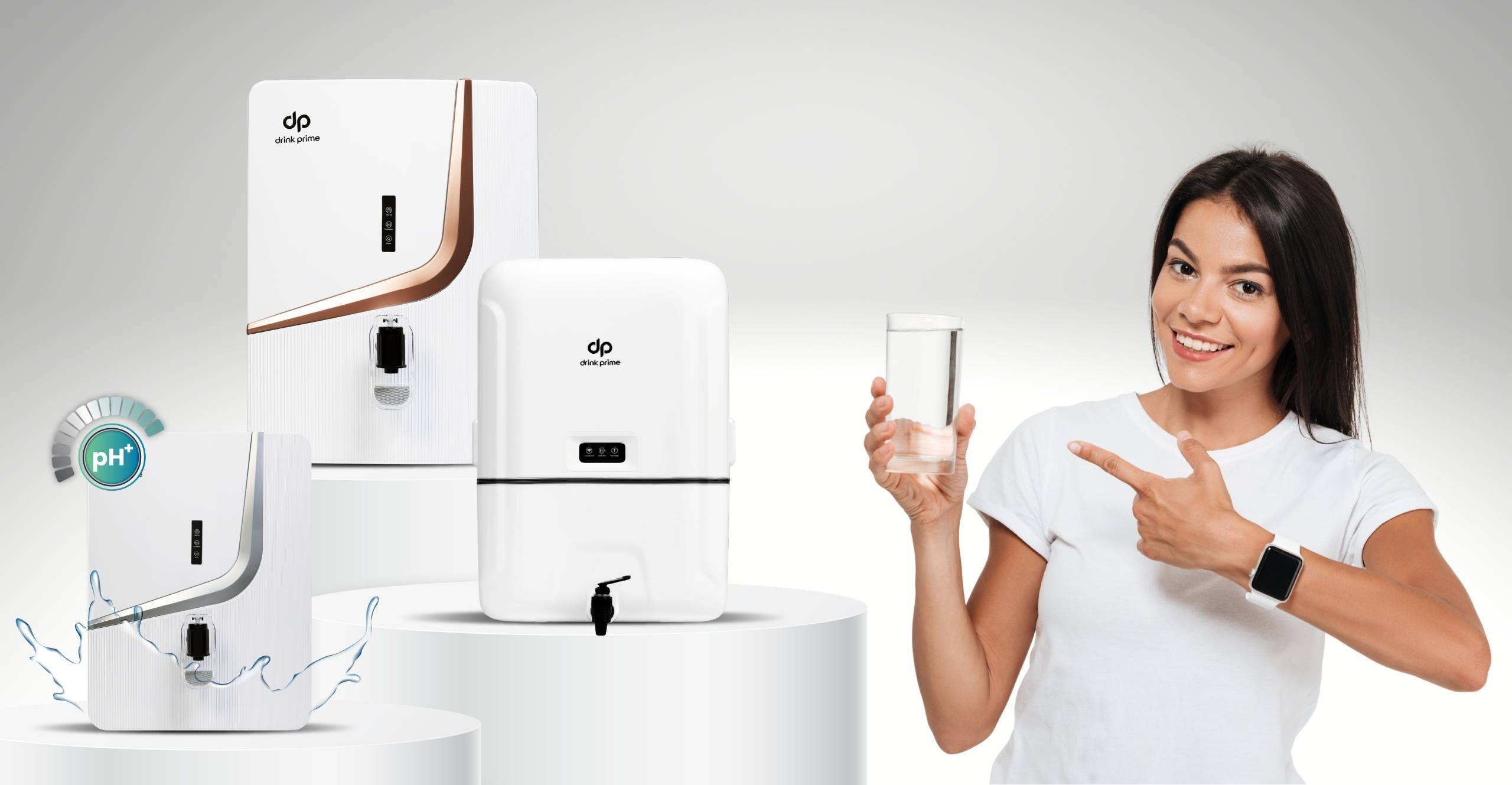
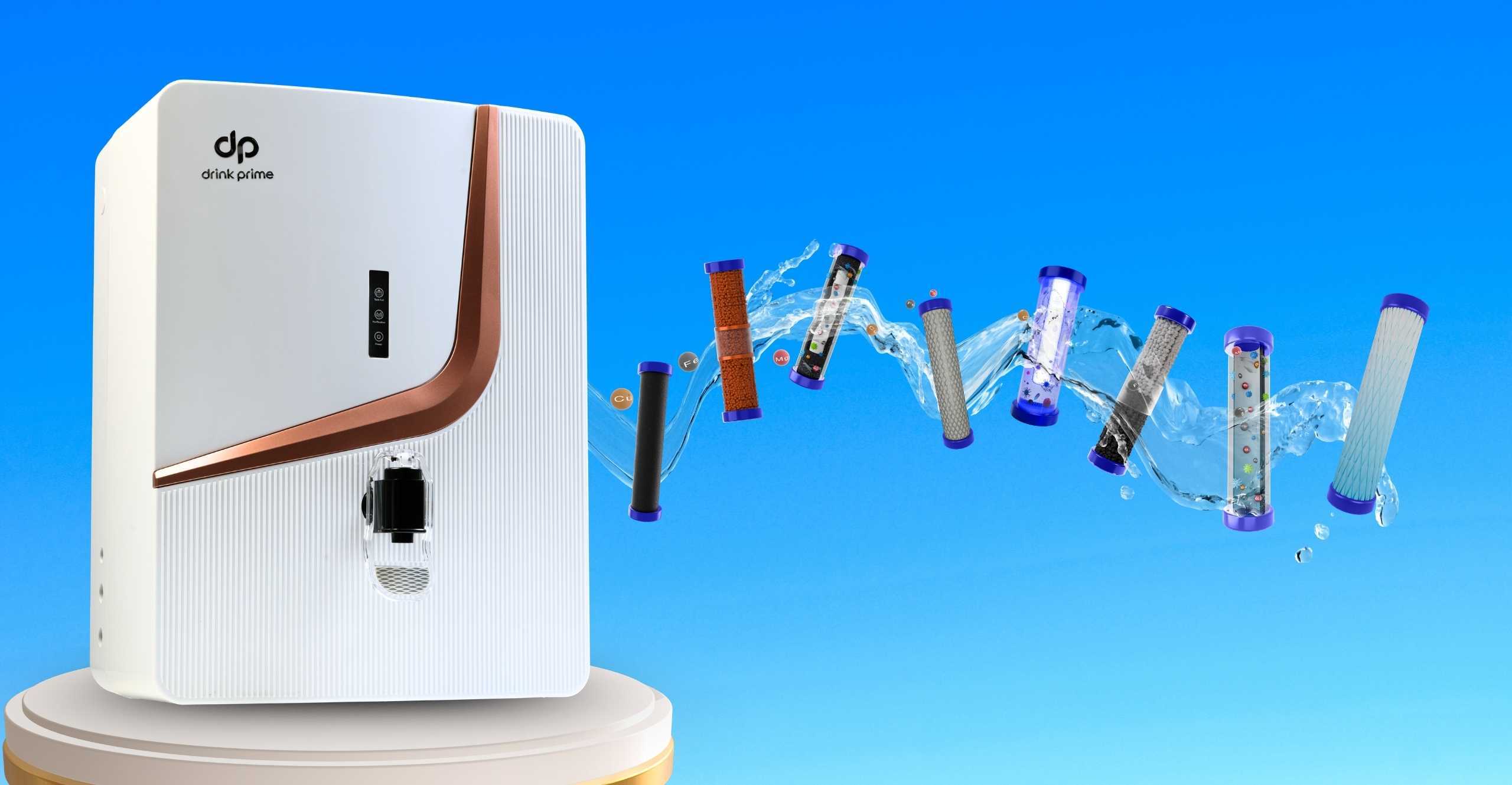
DrinkPrime can help many Indian households access safe, clean, and healthy drinking water in areas where the water quality is poor. In places where municipal supply can be inconsistent or may carry impurities, having an advanced water purifier at home adds an extra layer of protection for everyday drinking purposes. Moreover, DrinkPrime makes this easier through its subscription-based model, which eliminates the need for high upfront costs, including maintenance and service support as part of the plan.
This is especially useful for families who want an affordable solution without worrying about filter replacements or any other repair costs. In urban communities where access, quality, and reliability remain constant concerns, DrinkPrime offers a convenient way to make clean drinking water a more dependable part of daily life.
Get 7 Days Risk Free Trial
Conclusion
In conclusion, the social ecology of water in Mumbai slums shows that the water challenges can go far beyond with a simple supply issues. Moreover, quality, access, and reliability are deeply connected to housing conditions, infrastructure, sanitation, and everyday social realities. Also, for many families, getting enough water is only one part of the problem, making sure that it is safe for consumption.
While long-term improvements in public infrastructure are essential, household-level solutions can also play an important role in reducing immediate risks. In this context, access to dependable purification services can make a meaningful difference. By offering a practical, affordable, and convenient way to access safer drinking water, DrinkPrime can support households in managing one of the most important daily needs with greater confidence and ease.