Clean and safe drinking water is something that most of us don’t think about until there’s a problem. In many metro cities, groundwater generally contains high levels of TDS or Total Dissolved Solids, heavy metals, and other contaminants, and that’s where the Reverse Osmosis or RO water purifier comes into the picture.
But is RO water always the best choice? Like any technology, it has both pros and cons. Yes, you have read it right! In this blog, we will break down the pros and cons of RO water so you can select and decide what is best for you and your family.
Understanding what Reverse Osmosis is
Reverse Osmosis is a water purification process that makes use of a semi-permeable membrane to remove dissolved salts, impurities, heavy metals, and other harmful contaminants from water. Water is pushed through the membrane under pressure, leaving all the impurities behind and delivering purified water at the outlet. RO systems are widely used in many Indian households, industries, and even large-scale industries or water treatment plants because of their ability to eliminate very small particles that traditional filters cannot.
Pros of RO Water
1. Remove Dissolved Impurities
One of the biggest pros of RO water purifiers is their ability to eliminate dissolved salts, heavy metals like arsenic and lead, and other harmful chemicals. In several areas where groundwater TDS levels are high, RO becomes important. It is important to reduce contaminants, such as the basic UV purifier, that cannot be removed from the water.
2. Improve Odours and Taste
If your tap water smells odd or tastes salty, then RO can improve the taste of the water quality. By removing chlorine, excess minerals, and impurities, RO water usually tastes cleaner and fresher.
3. Reduces Risks of Waterborne Disease
While many ROs primarily remove dissolved solids, many modern RO water purifiers also include UV sediment filters. This multi-stage filtration helps in reducing bacteria, viruses, and other harmful microorganisms, hence making the water safer for consumption.
4. An Ideal Choice for High TDS Areas
The RO water purifier is particularly useful in regions where TDS levels exceed 500 ppm. In such cases, basic filtration is not enough. RO technology is specially designed to tackle such high TDS water and make it very potable. Additionally, for many urban and semi-urban households, this makes RO an ideal choice for Indian households.
5. Convenience and Consistency
Once installed, an RO water purifier offers a consistent supply of purified water at home. You don’t have to worry about packaged water cans or any other external vendors.
Understanding Con’s of RO Water
1. Wastage of Water
One of the biggest challenges of an RO system is water wastage. Traditionally, RO purifiers may waste 2-3 litres of water for every 1 litre of purified water. Presently, modern systems are becoming more efficient, but water wastage remains a major problem in water-scarce regions.
2. Removes Essential Minerals
RO or Reverse Osmosis removes dissolved solids, but that includes all the beneficial minerals like calcium and magnesium. There are some people who argue about the completely demineralised water, which may not be ideal for long-term consumption.
Besides, to address such concerns, many modern and advanced purification systems now include a remineralisation stage that adds back essential minerals to balance the water.
3. Higher Maintenance Costs
RO water purifier requires regular filter and membrane replacement. If neglected, then performance drops and the water quality may suffer. Owing an RO water purifier means tracking service schedules and also bearing maintenance costs.
Is RO Water Safe for Daily Consumption?
Yes, RO water is generally safe for consumption, especially in areas with high TDS levels or contamination issues. But the key is choosing an ideal system that is based on your water quality. It is always recommended to check the TDS levels, understand the source of water, whether it is from a borewell, tanker, or municipal, and choose the purifier accordingly.
Why choose DrinkPrime?
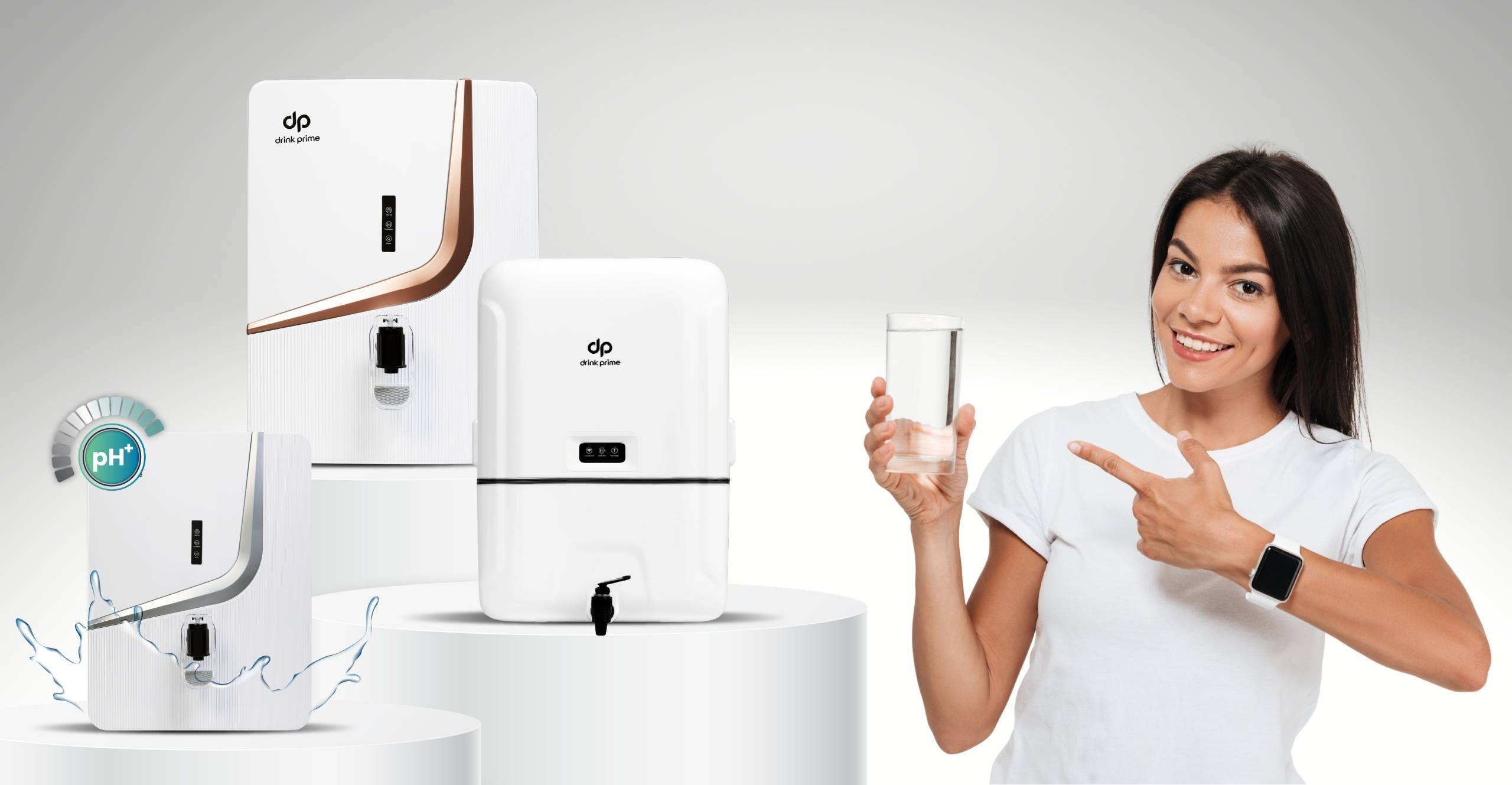
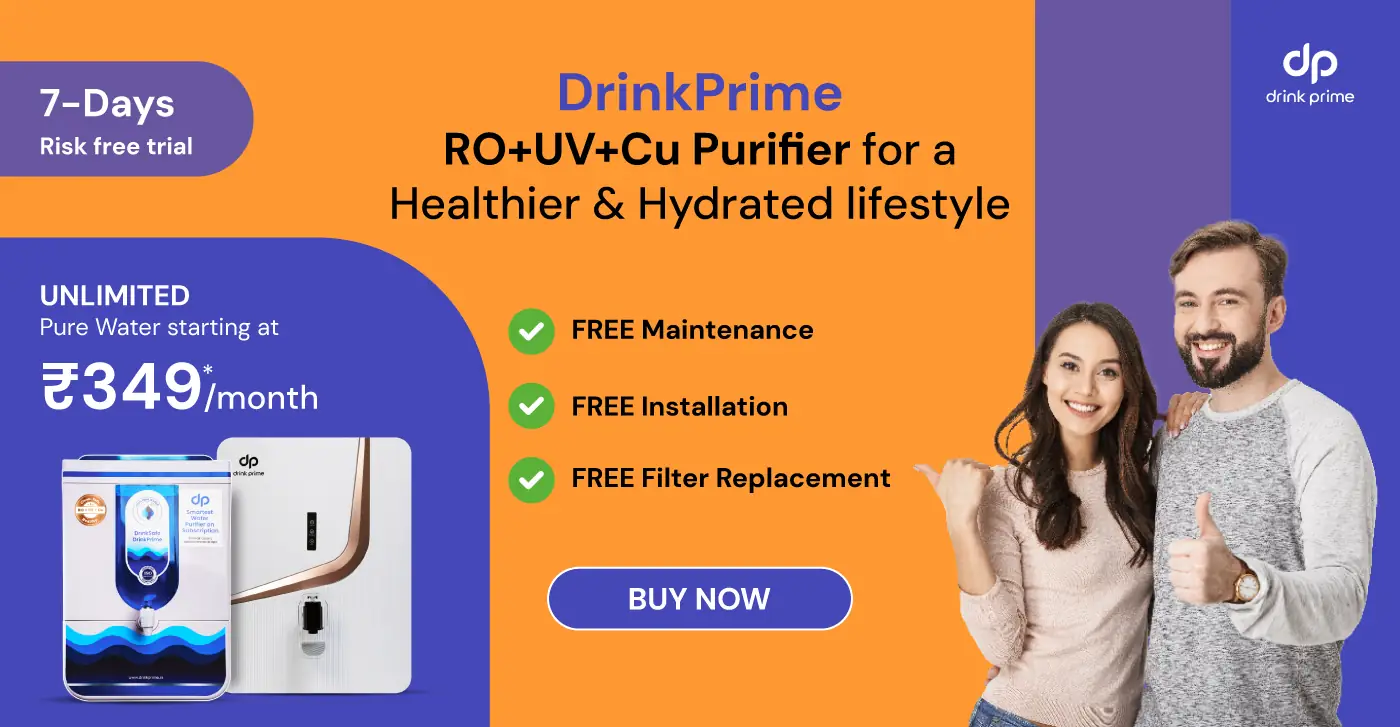
Choosing the right water purifier is not just about filtration technology; it is about convenience, reliability, and long-term peace of mind. DrinkPrime stands out because it combines advanced RO technology with a flexible subscription model, hence, making safe drinking water much more accessible and affordable. So, instead of paying a large amount to purchase a water purifier, nowadays customers are opting for budget-friendly options with monthly plans that include installation, regular servicing, and filter replacements. DrinkPrime offers RO on a rent model with a smart IoT-enabled monitoring system that tracks water quality and performance in real-time, making sure that there is a consistent advanced purification even when input water quality fluctuates. Additionally, with professional support and hassle-free maintenance, DrinkPrime offers a modern and reliable solution to many Indian households.
Summary
In summary, access to safe, clean, and healthy water has become a necessity for every household. Reverse Osmosis or RO technology has become one of the ideal solutions for tackling high TDS levels, heavy metals, and harmful contaminants, especially for many Indian households where water quality can dramatically fluctuate. While RO offers significant benefits like improved taste, removal of dissolved impurities, and better protection against waterborne diseases, it also comes with certain cons as well, like water wastage, mineral removal, and maintenance requirements.
Additionally, the key is to make an ideal choice based on your local water quality and long-term needs. Moreover, testing your water source and understanding whether RO is truly required can help you choose wisely. For those looking for a convenient, affordable, and hassle-free option, solutions like DrinkPrime make the process much simpler. With flexible subscription plans, smart monitoring technology, and professional servicing included, DrinkPrime ensures that families can enjoy safe, purified water without the stress of ownership or unexpected repair costs.
Get 7 Days Risk Free Trial