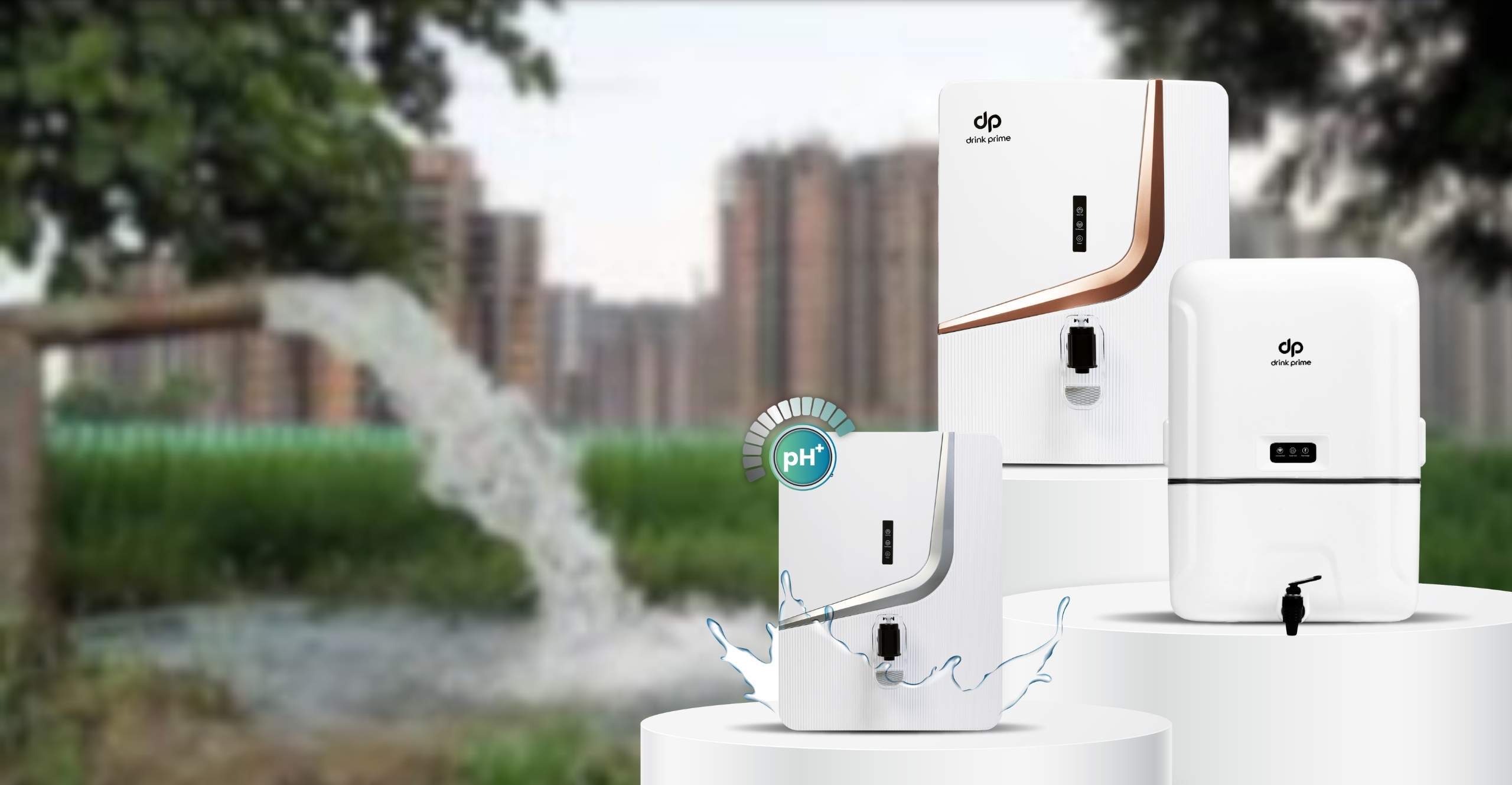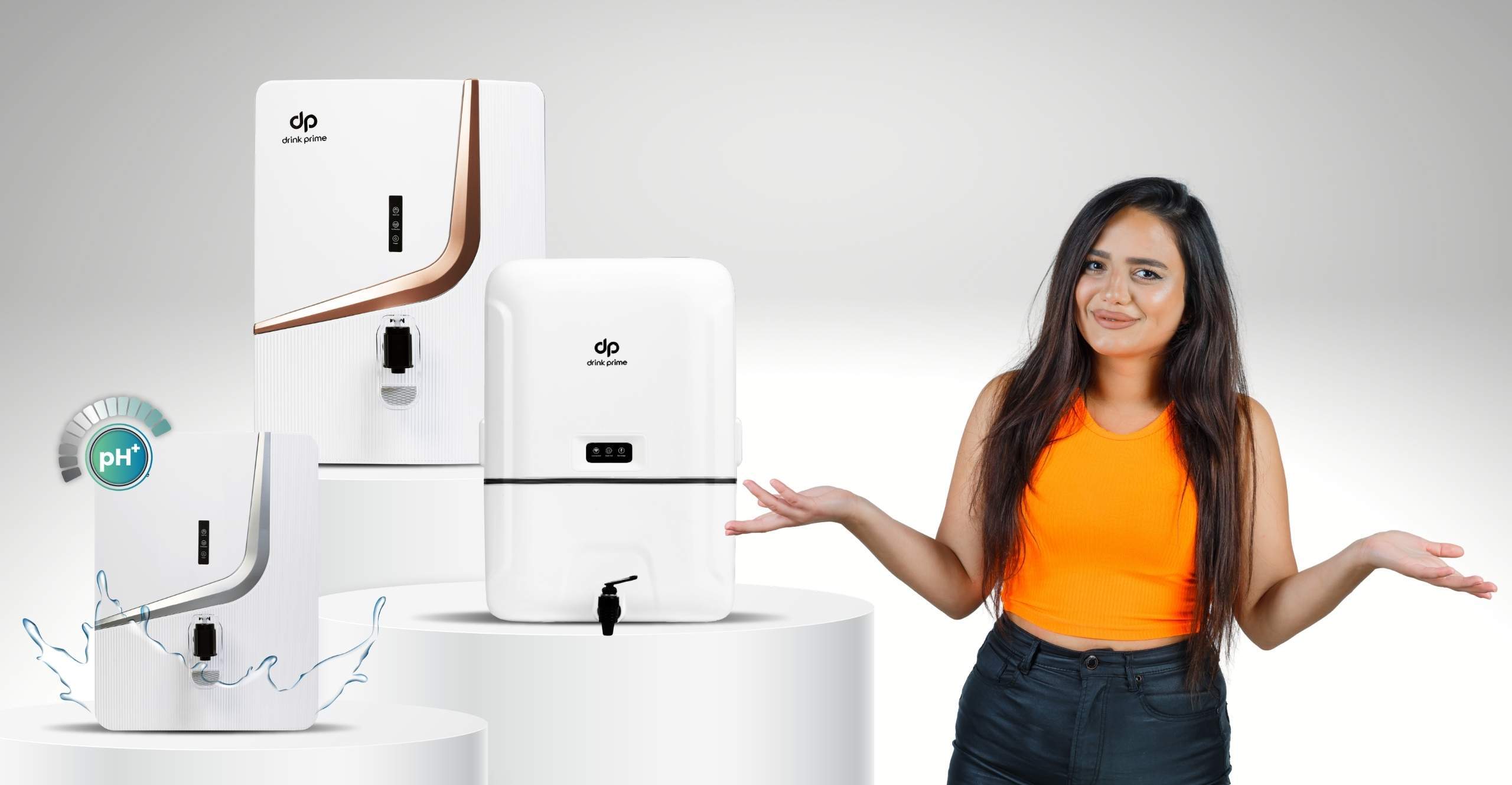
Nowadays, choosing the best water purifier for the home is no longer a simple decision but a necessity. With so many options these days, RO, UV, alkaline, copper, subscription models, and much more, one can get confused. But the right water purifier depends on one key parameter: your water quality.
In this blog, we will break down how to choose the right water purifier based on your water source and also help you explore modern options like DrinkPrime that are changing how urban Indians access safe and clean drinking water.
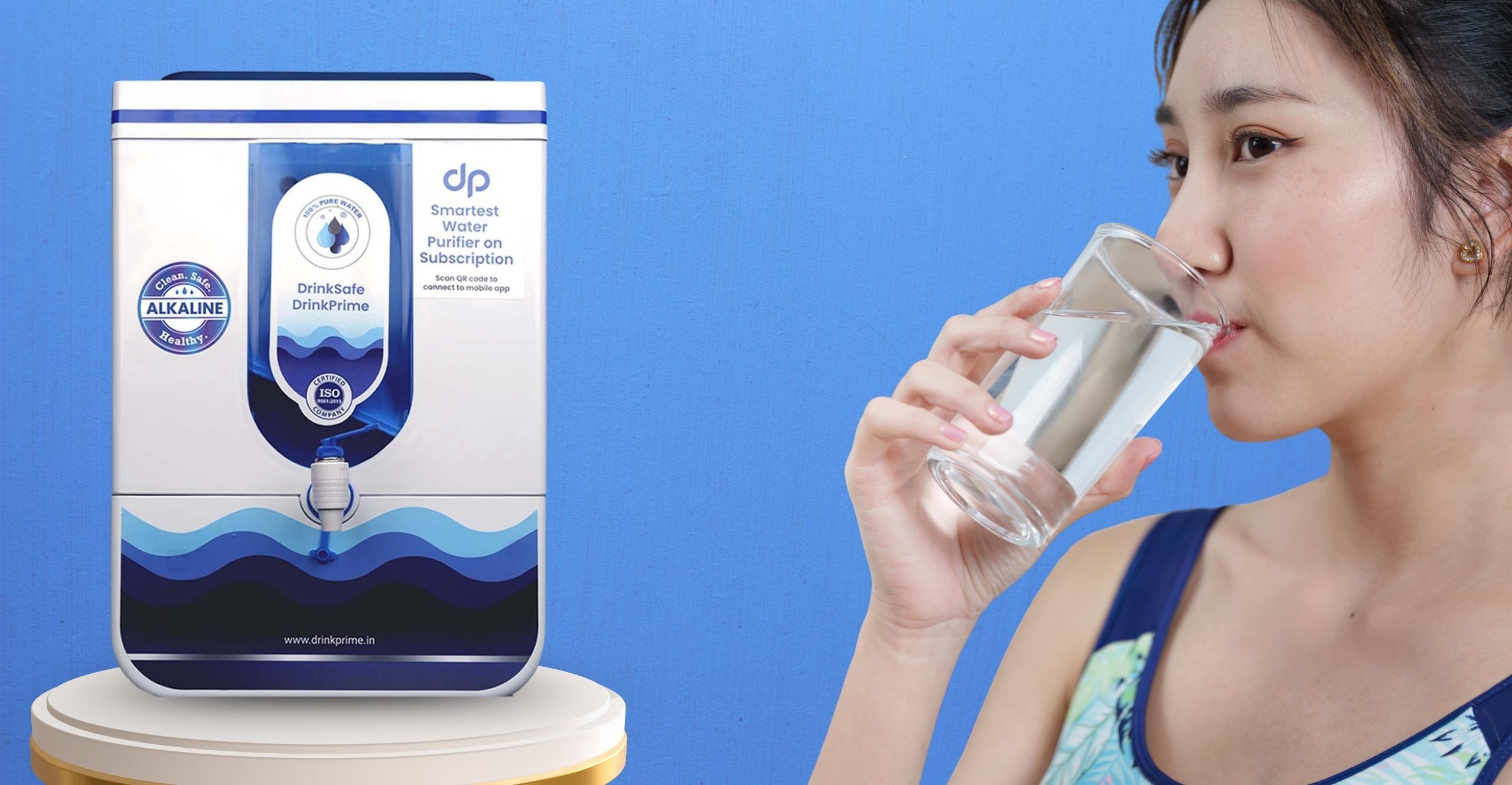
How to Choose the Right Water Purifier
1. Understand Your Water Source
Before buying or investing in any water purifier for your home, understand where your water comes from: Municipal Corporation water, borewell water, tanker water or any mixed supply, which is very common in apartments. Municipal water in many cities is treated and disinfected before supply. Additionally, borewell water, on the other hand, often has a high amount of dissolved salts and hardness. So, knowing what your water source is is important, and it helps you decide what kind of purification technology you actually need.
2. Understand Different Purifier Technologies
RO or Reverse Osmosis: Reverse Osmosis or RO water purification works by eliminating all the dissolved salts, heavy metals, and excess amount of hardness from water, hence making it highly effective for areas with high TDS levels or borewell water supply. It offers thorough purification by filtering out microscopic impurities that other technologies may not remove.
UV (Ultraviolet): Ultraviolet or UV water purification works by killing bacteria and viruses that are present in the water, hence making it effective against microbiological contamination. However, it does not remove dissolved solids like salts or any heavy metals. This makes UV purifiers most suitable for low TDS municipal water, where the primary concern is microbial safety rather than dissolved impurities.
3. Consider Storage and Family Size
Water purifiers are available with different storage tank capacities, so it is important to choose one based on your household size and daily needs. For 1-2 people, a purifier with 5 to 7 litres of storage is usually sufficient. Moreover, a family member with 3-5 may require 7 to 10 litres, while large families should consider models with 10 litres or more. It’s also important to factor in daily drinking water consumption, as an average family typically uses around 8–12 litres of drinking water per day.
4. Maintenance and Filter Replacement
A water purifier is not a one-time investment, as it requires regular maintenance to make sure that your water purifier runs at optimal performance. Additionally, filters need to be replaced periodically, and ignoring maintenance can compromise the quality of water over time. So before you make a purchase, it is important to understand the annual maintenance cost, how frequently the filters need to be replaced, and whether reliable service support is available in your city. Many buyers focus only on the upfront price of the purifier, but ongoing service and filter replacement costs can add up significantly in the long run.
5. Budget and Flexibility
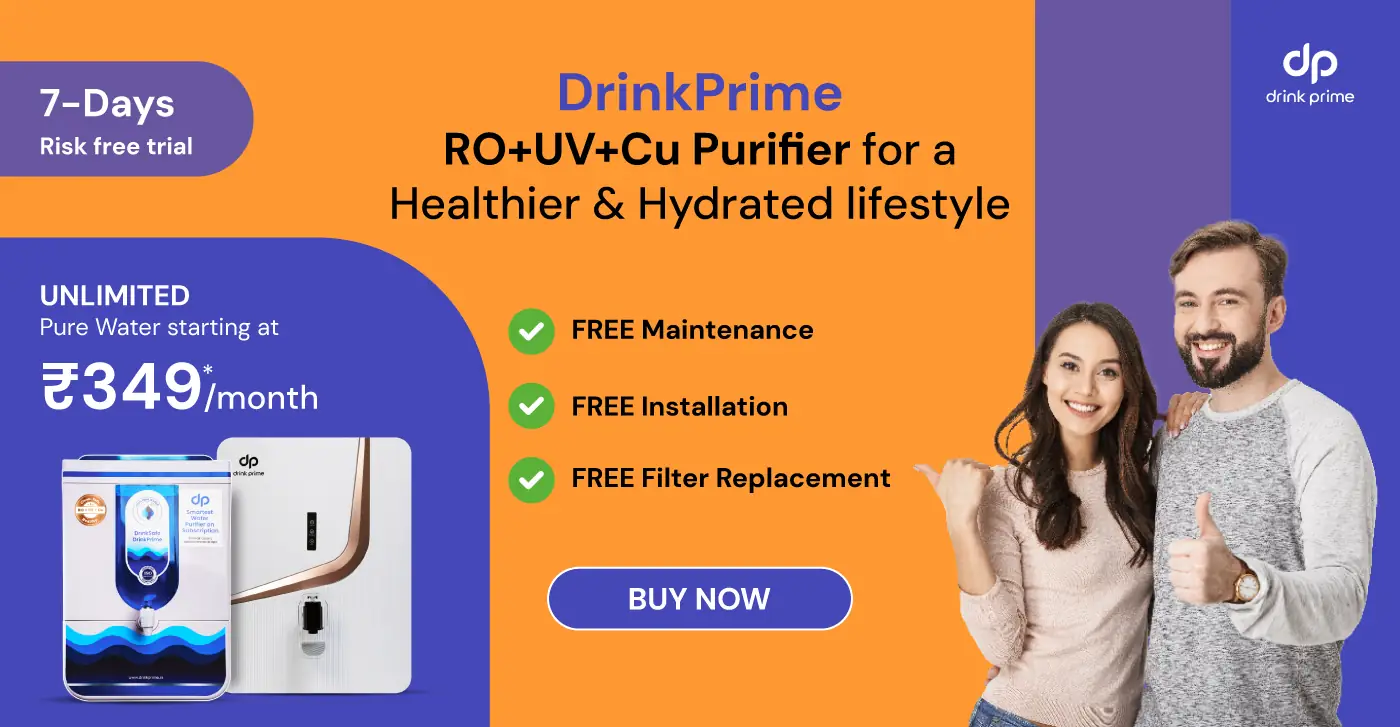
Most of the traditional water purifiers require an upfront cost, which can typically range from ₹7,000 to ₹20,000 or more, and then comes annual maintenance. But today, there are many more flexible options available in the market. One such option is DrinkPrime, a subscription-based water purifier service is curated for modern urban households.
Why Many Urban Homes Are Considering DrinkPrime
DrinkPrime provides multi-stage purification systems that can include RO and other technologies, depending on the quality of water. DrinkPrime offers customisation purification based on local water conditions. Many people consider it because there is no hefty amount, installation is typically free, and maintenance and servicing are included in the subscription plan. It also offers flexible options that work well for renters and frequent movers. Additionally, smart IoT-enabled models allow users to analyse usage and system performance through an app, adding convenience and transparency.
Summary
In summary, choosing the best water for home is not about picking the most popular brand or the most advanced technology, and it’s about understanding your water quality and choosing a water purifier that fits your household’s specific needs whether the supply comes from municipal sources, borewell, or tanker water, knowing the source and TDS levels helps you decide between RO, UV, or a multi-stage system.
Moreover, it is equally important to consider storage capacity, maintenance, and even long-term costs before making any decision. Additionally, traditional water purifiers require high upfront costs along with ongoing service expenses; modern subscription-based options like DrinkPrime offer flexibility and free maintenance. Ultimately, safe drinking water is essential for your family’s health. By evaluating your water source, understanding purification technologies, and choosing a model that matches your lifestyle and budget, you can make sure it is clean, reliable, and worry-free hydration every day.
Get 7 Days Risk Free Trial