Mumbai is known for its fast-paced lifestyle, iconic skyline, and strong municipal infrastructure. Along with these, the city is also often recognised for having relatively better tap water quality compared to many other Indian metros. Because of this, a common question among residents and newcomers is: “Can I drink Mumbai’s tap water without an RO purifier?”
The straightforward answer is: it can be safe, but there are important factors you should understand before drinking it directly from the tap. In this blog, we will explore the quality of Mumbai’s tap water, the risks involved, and whether you truly need an RO purifier at home.
Understanding Mumbai’s Tap Water Quality
The Brihanmumbai Municipal Corporation or BMC supplies water from several large reservoirs like Vaitarna, Powai, and Bhasta. This water is treated and chlorinated at purification plants before entering the city’s distribution system. Moreover, government and independent assessments in recent years have shown Mumbai’s piped water meeting certain water quality standards. Subjectively in many reports and personal anecdotes have pointed out that the water’s TDS level often falls within acceptable ranges and in some cases even 300 ppm, which is generally safe to drink. But, this official or lab measurement doesn’t always tell the full story, especially when water travels via complex guidelines and gets stored in overhead tanks before it reaches the kitchen tap.
Why You Might Still Need Filtration Even if the Source Water Is Good
1. Distribution System Issues
Mumbai’s water often travels via thousands of kilometres of pipes and is often stored in overhead and underground tanks in buildings. These final stages are often called as last-mile systems and are where most of the contamination can occur due to old or corroded pipes, build-up of sediments in tanks, leakage near sewer lines, and at times, even broken pipelines during maintenance as well. Even if municipal water is treated well, contamination can happen anywhere and can directly come to your tap.
2. Seasonal Variation
Majorly during the monsoon season or heavy rains, water turbidity can effectively increase the source as rain washes soil and organic matter into reservoirs. BMC sometimes issues advisories to filter and boil before consumption during such times.
3. Building Hygiene
Clean storage tanks and regular maintenance are important and often overlooked for making sure that what reaches your tap is truly potable. While the municipal supply is safe to drink, the path it takes needs filtration as a precautionary measure.
RO Purifier: Necessary or Overkill for Mumbai Water?
RO or Reverse Osmosis systems are widely used, and many Indian households consider them a must-have, but here’s an important point:
Mumbai’s municipal water has low TDS levels, which means an RO system is often not required strictly for health reasons unless your local supply is unusually high in minerals or TDS. Many people in Mumbai drink tap water, which is unfiltered or after simply boiling, and never face water-borne disease issues.
Additionally, what is recommended in many communities is a basic filtration system with a UV lamp, which targets biological contaminants without stripping healthy minerals. So, the generic advice is to invest in an RO, or every Mumbai tap is not always necessary, especially if the quality of water is regularly tested and tanks are maintained well.
Why Choose DrinkPrime?
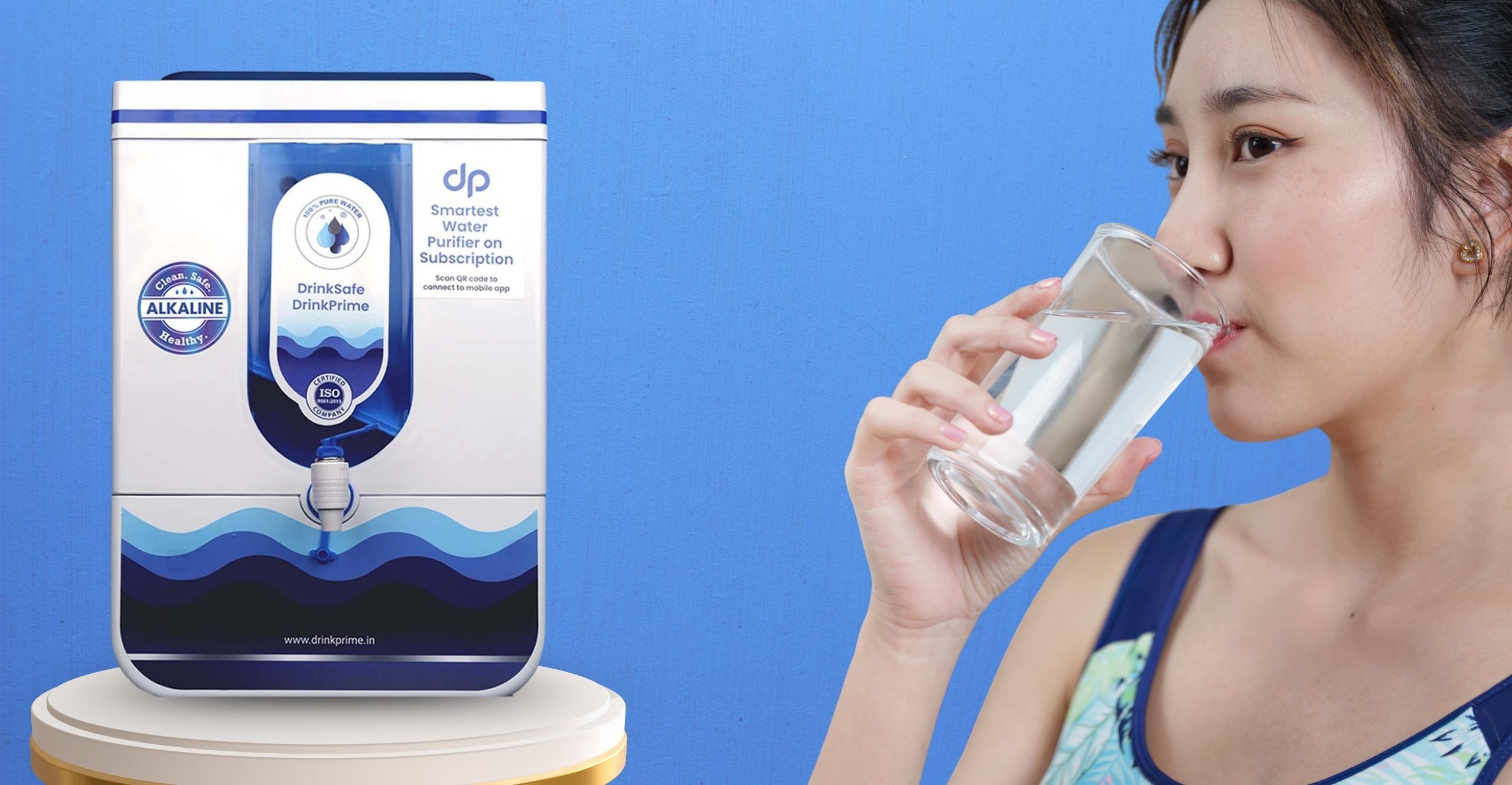
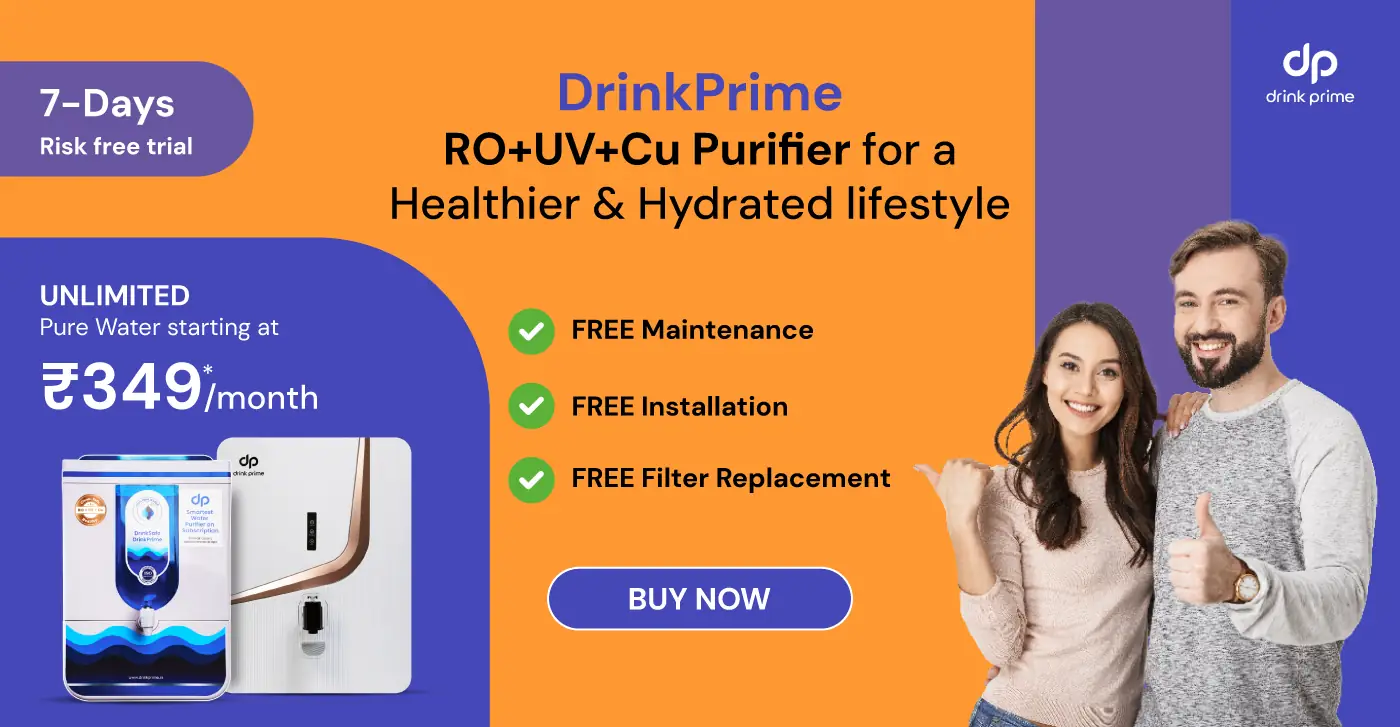
One of the ideal choices that most urban Indian households are using is choosing DrinkPrime, which offers a subscription-based water purifier service that provides smart water purification, allowing you to pay only for the water you consume. Moreover, the DrinkPrime water purifier makes use of multi-stage filtration to tackle microbes, chemicals, and impurities, and many models come with IoT connectivity so that you can analyse the system through an app.
Get 7 Days Risk Free Trial
Conclusion
In conclusion, selecting a smart water purifier like DrinkPrime can offer both convenience and peace of mind. Additionally, with its subscription-based model, you avoid a hefty amount while making sure that you get consistent access to safe and clean drinking water. Moreover, the multi-stage filtration system helps address common contaminants, and the added IoT features make monitoring simple. For urban households looking for flexibility, reliability, and modern technology in water purification, DrinkPrime can be a practical and efficient choice.