Water is one of the major resources for life, and we consume it every day, cook with it, and make use of it for everyday household activities. But not all water is the same.
Yes, you have read it right!
The quality of water can vary depending on its source, treatment, and storage conditions as well. Understanding water quality is important because it directly affects our health, safety, and overall well-being. In this blog, we will explore what water quality means, how it affects, and how you can make sure that your drinking water is safe for consumption.
What Is Water Quality?
Water quality refers to the physical, biological, and chemical characteristics of water that completely determine whether it is safe for consumption or other uses. Clean water should be free from all the harmful contaminants, bacteria, and other excessive chemicals. Good drinking water should typically be clear and colourless, free from all microbial contaminants, and low in heavy metals with balanced minerals and pH levels.
But due to industrial waste, pollution, ageing pipelines, and other environmental factors, water quality can often be compromised.
Factors That Affect Water Quality
1. Source of Water
The water quality largely depends on where it comes from, and the common sources are groundwater or borewells, municipal supply, tanker water, and surface water from rivers or lakes. Groundwater often comprises dissolved minerals like calcium, magnesium, iron, or even arsenic, whereas surface water is contaminated by agricultural runoff, sewage, or industrial waste.
2. Pollution and Contamination
Most of the industrial wastes, pesticides, and sewage disposal are the major contributors to water contamination, and these pollutants can introduce harmful chemicals and pathogens into water sources.
3. Old Pipelines and Storage Tanks
Even if the water leaves the treatment plant clean, it effectively becomes contaminated because they travel through old pipelines or poorly maintained storage tanks. Rust, sediments, and bacteria can enter the water during distribution.
Key Parameters Used to Measure Water Quality
1. pH Level
The pH level indicates whether water is too acidic or alkaline, and safe drinking water usually has a pH between 6.5 and 8.5.
2. Total Dissolved Solids (TDS)
TDS measures the amount of dissolved minerals, salts, and metals present in the water. While some minerals are beneficial, a very high level of TDS can affect taste and safety.
3. Turbidity
Turbidity measures how cloudy the water is. Additionally, a high turbidity value means the presence of suspended particles, bacteria or sediments.
4. Microbial Contamination
Bacteria, viruses, and parasites can contaminate water and cause diseases such as cholera, typhoid, and diarrhea.\
5. Hardness
Water hardness is generally caused by dissolved by calcium and magnesium minerals. Hard water is safe to consume but can lead to scale buildup in appliances, pipes, and water heater, hence reducing their effectiveness over time.
6. Heavy Metals
The presence of heavy metals such as lead, arsenic, mercury, and cadmium can pose serious health risks. Long-term exposure to these contaminants may affect the nervous system, kidneys, and other vital organs.
Common Water Quality Problems in Urban Areas
There are many cities with increasing water quality challenges due to rapid urbanisation and pollution. Some common concerns are high water with high mineral content, contamination from sewage leaks, the presence of heavy metals, and microbial contamination during storage. And because of these issues, many Indian households rely on advanced purification systems to make sure that they get access to safe and clean drinking water.
How Water Purifiers Help Improve Water Quality
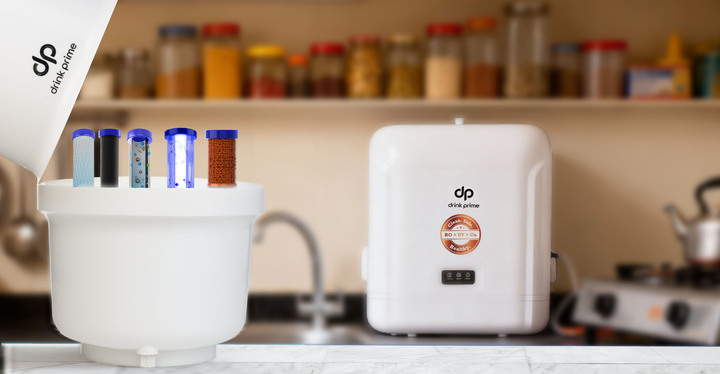
Water purifiers are designed to eliminate impurities and improve the taste and safety of drinking water. Modern water purifiers make use of multiple filtration technologies like RO (Reverse Osmosis to remove dissolved salts and heavy metals, and UV water purifiers are designed to remove microbial contaminants. These advanced purification methods help to make sure that the water you consume is safe to drink.
Why Choose DrinkPrime
In recent years, many Indian households have started renting water purifiers on rent instead of buying them, and this option allows users to access safe, healthy drinking water without any upfront cost of purchasing a device.
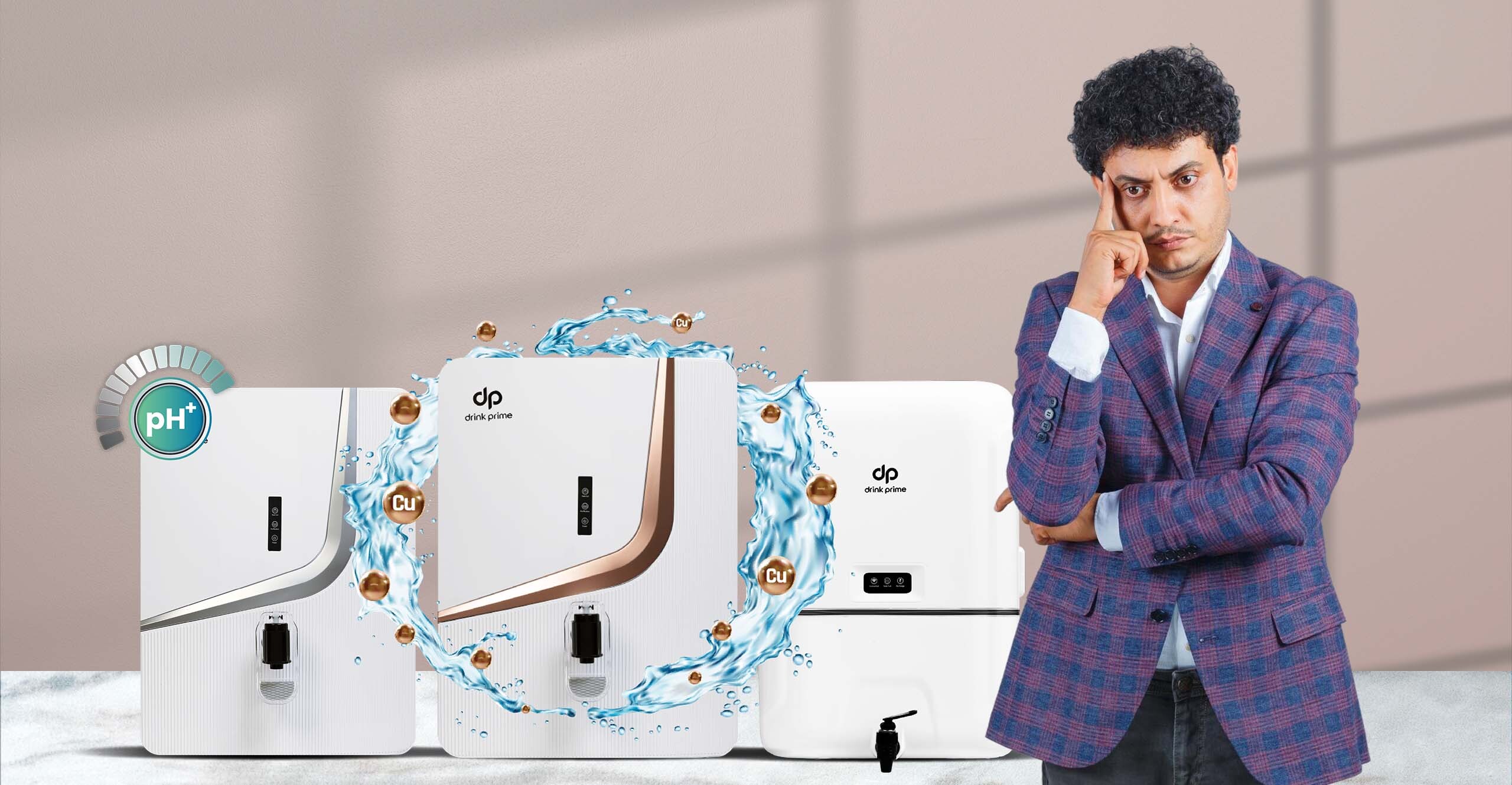
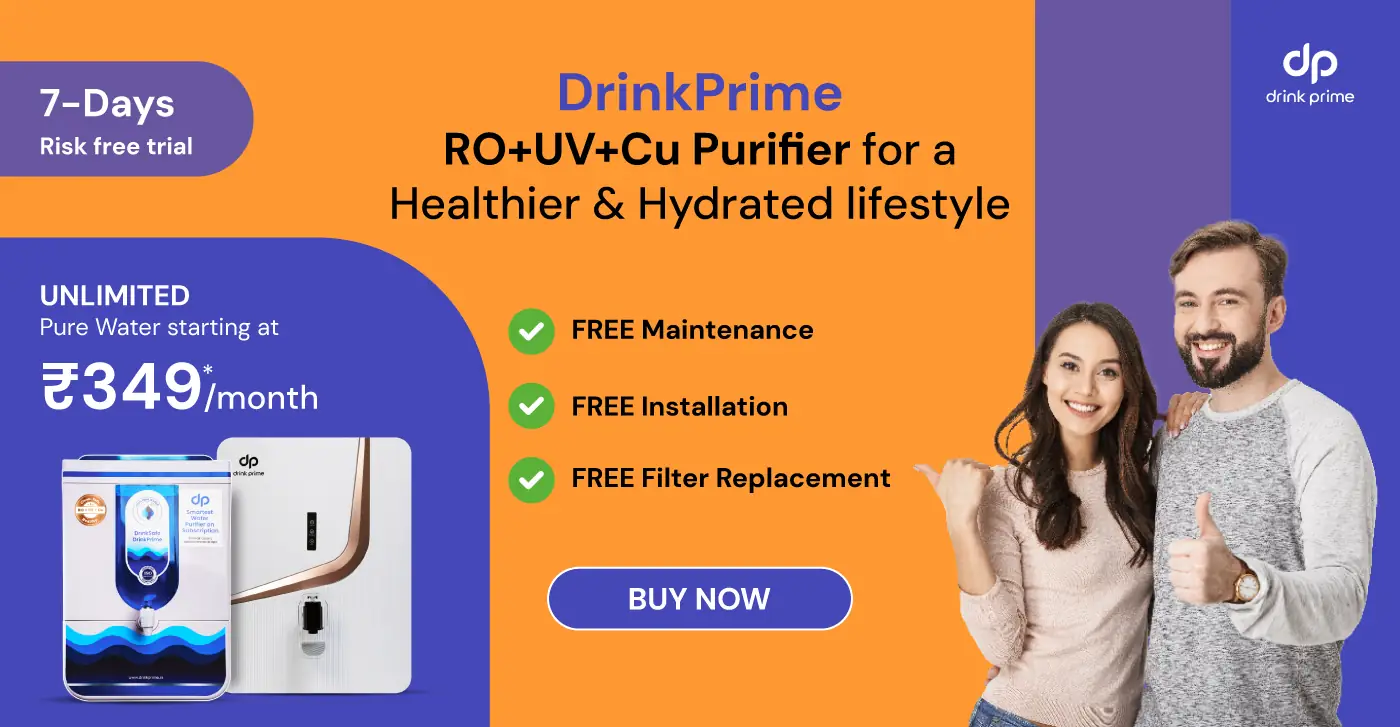
DrinkPrime provides smart water purifiers on a subscription plan that allows users to pay only for the water they are consuming. And instead of buying and maintaining a water purifier, users can simply subscribe to the service. Additionally, some merits of using DrinkPrime are that you get access to safe, clean drinking water without making any large upfront investment. Moreover, DrinkPrime takes care of regular maintenance and servicing, making sure that the purifier continues to function efficiently over time.
Additionally, the system uses smart technology to monitor water quality and usage, helping to make sure that the purification process remains effective. If the water conditions change, users can easily upgrade their purifier to a suitable model. This flexible approach is especially useful in cities where water quality can vary frequently.
Get 7 Days Risk Free Trial
Conclusion
In conclusion, understanding water quality is important for maintaining good health and making sure that the water we drink every day is safe. From the source of water to the presence of contaminants, there are several factors that influence whether water is safe for drinking.
Several issues, such as pollution, ageing pipelines, high mineral content, and other contaminants, make it increasingly important to pay attention to the quality of the water available in our homes.
Solutions like DrinkPrime, providing access to safe, clean, and healthy drinking water, make it more convenient and flexible for urban households. With a subscription-based model, you can enjoy clean and healthy drinking water without worrying about high upfront costs, maintenance, or changing water conditions. By choosing reliable purification solutions and staying aware of water quality, households can take an important step toward protecting their health and well-being.
FAQs:
- Why is a water purifier important?
A water purifier helps remove contaminants, bacteria, viruses, dissolved salts, and harmful substances, making water safer and healthier to drink.
2. How can I check the quality of my drinking water?
You can test parameters such as pH, TDS, hardness, and microbial contamination using home testing kits or certified water testing laboratories.
3. What is water quality?
Water quality refers to the physical, chemical, and biological characteristics of water that determine whether it is safe for drinking and other uses
4. How does DrinkPrime help improve water quality?
DrinkPrime offers a smart water purifier with advanced filtration technologies, regular maintenance, and flexible subscription plans to ensure access to safe drinking water.
5. What are the common signs of poor water quality?
Some common signs include an unusual taste or odour, cloudy appearance, discoloration, sediment particles, staining on fixtures, and frequent digestive issues after consuming the water. However, many harmful contaminants are invisible, which is why regular water testing and proper purification are important.