Clean drinking water is important for good health, but not all water sources provide the same level of safety and quality. Additionally, with rising pollution and concerns about water contamination, many households today look for a reliable way to make sure that the water they consume is safe to drink. There are two common options that people choose between: RO water and packaged drinking water. Both are widely used and come with their own set of advantages and limitations. In this blog, we will compare RO water and packaged drinking water in terms of health, convenience, and reliability to help you understand which is an ideal option for everyday consumption.
Understanding RO Water
RO or Reverse Osmosis is a water purification technology that makes use of a semi-permeable membrane to eliminate impurities, contaminants, and dissolved solids from water. First, water enters the RO water purifier, and then it goes through a pre-filter that eliminates dirt, sand, and other large particles that you can’t always see. Additionally, the water is then pushed through a very fine membrane, and this is the main step where it removes dissolved salts, harmful chemicals, and even heavy metals. Finally, the water then passes through a post-filter that effectively improves the taste and makes it ready for consumption.
Advantages of RO Water
RO water purification is highly effective in removing contaminants like heavy metals, pesticides, and bacteria, which makes it a reliable option for households looking for safer drinking water. So, having an RO system at home can also add convenience, as you don’t need to buy or invest in bottled water or large amounts of water cans. Once installed and properly maintained, it offers a continuous supply of purified water whenever you need it.
Many people also find that RO water tastes better because it has a cleaner, more neutral taste compared to hard or mineral-heavy tap water.
Understanding the limitations of RO Water
While RO water purification is effective, it also comes with a few limitations. The process removes not only harmful contaminants but also some beneficial minerals like magnesium and calcium. Drinking completely demineralised water for a long time may slightly affect mineral intake if your diet doesn’t compensate for it. Moreover, another issue is water wastage, as some RO systems can waste around 3-4 litres of water for every litre of purified water.
Understanding Packaged Drinking Water
Packaged drinking water refers to bottled water that is sold in plastic bottles or jars, typically sourced from mineral reserves, springs, or even municipal supplies. Before distribution, this water undergoes several levels of treatment, which range from basic filtration to advanced purification techniques like UV treatments.
Advantages of Packaged Drinking Water
Packaged drinking water is widely preferred for its convenience, as it is very easy to carry and is available almost everywhere. Moreover, many consumers also think that bottled water is safer than regular tap water because they assume it goes through several strict quality checks and purification processes. Another advantage is the variety available in the market, which includes mineral water, sparkling water, and fortified water, allowing people to choose according to their preferences and taste.
Limitations of Packaged Drinking Water
Despite its convenience, packaged drinking water also has several demerits. One of the major issues is plastic waste, as every single-use bottle can contribute significantly to environmental pollution when it is not disposed of properly. It is also much more expensive per litre when compared to tap or RO water, especially when consumed every day or used regularly. Additionally, the quality of packaged water can also differ from brand to brand.
So, which to choose?
When comparing the two, RO water is generally considered healthier than packaged drinking water. A well-maintained RO system eliminates all the harmful contaminants like heavy metals, pesticides, and bacteria, offering constantly purified water at home. Unlike packaged water, which may vary in quality depending on the brand and the condition of storage as well, RO purification provides a much more reliable and controlled purification process, so as a result, RO water is often a safer option for daily consumption.
Why Choose DrinkPrime?
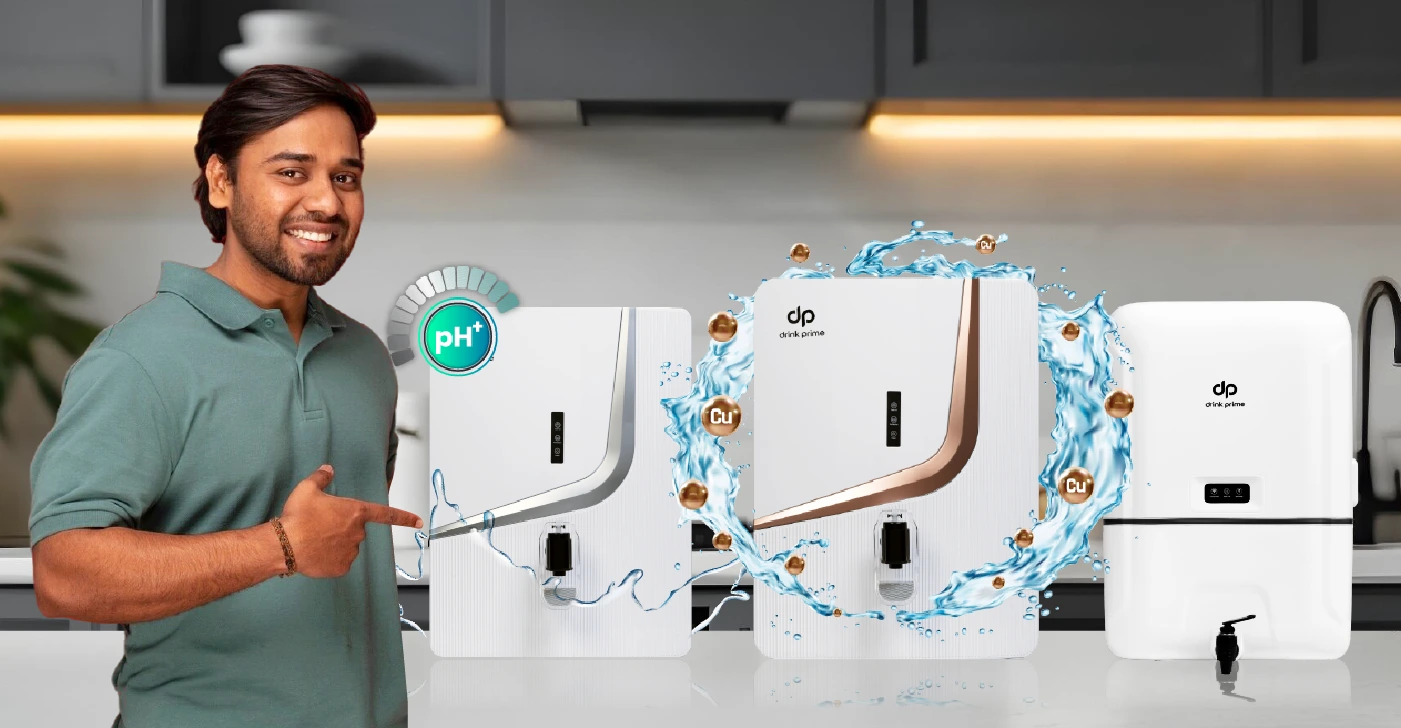
DrinkPrime provides an advanced purification service that combines advanced technology with hassle-free delivery and maintenance. Additionally, the purification system makes use of multiple stages of filtration to make sure that the water is safe and clean, and also, with flexible subscription plans and scheduled maintenance, it provides an ideal solution for households that want reliable drinking water. Additionally, by reducing the need for bottled water, DrinkPrime also helps cut down on plastic waste, making it a more eco-friendly choice. With DrinkPrime, you get the purity of RO-level filtration along with the ease of a managed service.
Get 7 Days Risk Free Trial
Conclusion
In conclusion, access to safe, clean and healthy drinking water is important for maintaining good health. Both RO water and packaged drinking water are commonly used options, as they differ in terms of reliability, cost, and long-term sustainability. RO water provides a consistent purification process that removes harmful contaminants and offers a steady supply of safe drinking water at home. On the other hand, packaged drinking water may be convenient for short-term use, but it can be much more expensive and raise concerns related to plastic waste and quality variations.
For many Indian households, those who are looking for a reliable and convenient solution, a brand like DrinkPrime makes it an ideal choice to access purified water without worrying about maintenance or filter replacements. Additionally, by combining advanced purification technology with a subscription-based model, DrinkPrime make sure that families have access to safe, clean, and healthy drinking water every day.